Explore the Myrtle Beach Real Estate Blog

Find exactly what you need, whether you're buying, selling, or just getting to know the Grand Strand.

01

Buying a Home

First-time buyer guides, financing tips, and how to win in the Myrtle Beach market.

02

Selling a Home

Pricing, staging, and the marketing that actually gets coastal homes sold.

03

Lifestyle and Communities

Coastal living, local communities, and what day-to-day life is really like along the Grand Strand.

04

Market Updates

The latest on prices, inventory, and what it means for you.

05

Moving & Relocation

Relocating to the coast? Tips on the move, schools, and settling into the Grand Strand.

06

Offer to Close

Step-by-step guides to buying and selling on the Grand Strand — from your first offer through closing day.

Oct. 13, 2026

Georgetown Real Estate Market Overview

Georgetown Has Its Own Market, and It Behaves Nothing Like Myrtle Beach

Georgetown is the Grand Strand’s quiet southern anchor, and the local real estate market reflects that identity. It is slower, more deliberate, and built around a different buyer profile than the resort markets to the north. Days on market trend longer here. Inventory moves in smaller waves. Pricing conversations lean on history, charm, and waterway access more than on short-term rental math. For anyone evaluating a purchase or a sale in Georgetown, understanding how the market actually behaves is the difference between a smooth transaction and a frustrating one.

Market snapshot as of October 2026 — conditions can change and this piece will not be updated as they do.

Who Is Actually Buying in Georgetown

Georgetown draws a specific mix of buyers. Retirees looking for a slower-paced coastal town with real history. Full-time residents working at the Georgetown Hospital, the port, Georgetown County government, and remote jobs. Second-home owners who want a quieter alternative to Myrtle Beach. And a smaller but steady stream of buyers specifically targeting the historic district or the Winyah Bay and Sampit River waterfronts.

What you don’t see as much of here is the short-term rental investor crowd. Georgetown County short-term rental rules, limited inventory of rental-friendly properties, and the overall quieter rhythm of the town push most of that demand north to Pawleys Island and Litchfield. Local inventory on Georgetown real estate reflects that reality — most homes are being bought to be lived in, not rented out.

The Historic District

Georgetown’s historic district runs along Front Street and the surrounding blocks, with a stock of 18th- and 19th-century homes that are genuinely rare on this stretch of the Carolina coast. The market for these homes is thin by volume but consistent in demand. Buyers who want a historic home with real architectural character come to Georgetown first and often buy there.

The practical realities are worth knowing. Many of these homes carry higher maintenance costs because of their age, the materials, and the climate. Insurance can be complicated depending on wind, flood zone, and historic designation. Renovation decisions are often shaped by local historic preservation standards. Buyers who understand those tradeoffs tend to love the result. Buyers who assume a 200-year-old home will behave like a new build usually end up frustrated. For a deeper look at the historic district itself, see our post on Georgetown historic district homes and lifestyle. 
Georgetown Real Estate Market Overview

Waterfront, Marsh, and Winyah Bay Properties

Georgetown sits where five rivers meet the Atlantic at Winyah Bay, and the waterfront inventory reflects that geography. Marsh-front homes, deep-water lots with private docks, and bay-view properties all trade as distinct micro-markets within the overall Georgetown picture. Pricing on these homes is driven more by specific location, elevation, and dock access than by city-wide averages.

Flood zone, elevation certificate, and insurance quotes matter more on Georgetown waterfront than almost anywhere else on the Grand Strand. Buyers should get preliminary wind, hail, and flood insurance quotes before writing an offer, not after. The right property can be a lifetime home. The wrong property, with the wrong flood exposure and insurance picture, can be a decade of regret.

Days on Market and Pricing Realities

Days on market in Georgetown run longer than in Myrtle Beach or North Myrtle Beach, and that is normal. The buyer pool is smaller, and the right buyer for a specific historic home or waterfront property may need a few months to appear. Sellers who panic at 45 days on market and start reducing price often leave money on the table that a slightly more patient strategy would have captured.

Pricing honestly from day one matters more here than almost anywhere. Georgetown buyers are deliberate — they shop carefully, they wait for comps to close, and they know when a listing is overpriced. Zestimates and national algorithms miss this market by meaningful margins in both directions. A real local comparative market analysis is the only pricing method that works. For sellers, our free property valuation tool is a reasonable starting point before a full agent review.

Full-Time Resident Neighborhoods Outside the Historic Core

Beyond the historic district and the waterfront, Georgetown has a mix of full-time resident neighborhoods that work for families, retirees, and buyers wanting good value per square foot. These neighborhoods trade less often, which can make comp selection harder but tends to produce better long-term stability. Buyers moving to Georgetown from out of state should also read our overview of what actually changes when moving to the Grand Strand from the Northeast — the insurance, tax, and climate adjustments apply here too.

What Buyers Should Do in Georgetown This Fall

Buyers who are serious about Georgetown should get pre-approved with a lender who regularly writes coastal and historic-home loans, line up insurance quotes before writing offers, visit in person at least once to feel the pace of the town, and work with an agent who actually understands the historic district, the flood zone picture, and the waterfront micro-markets. Shortcutting any of these steps produces avoidable problems in a market that is otherwise one of the most rewarding on the Grand Strand.

What Sellers Should Do in Georgetown This Fall

Sellers should price against real local closed comps, prepare the home honestly for the inspection a careful buyer will order, be patient with days on market, and keep paperwork — historic designation documentation, flood certificates, dock permits, HOA records — organized and ready. Georgetown buyers reward sellers who respect the market’s pace. They punish ones who do not.

Key Takeaways

Georgetown is a slower, more deliberate market than the resort-driven stretches to the north, built around retirees, full-time residents, and historic-home buyers rather than short-term rental investors. The historic district and the waterfront around Winyah Bay are the two most distinctive sub-markets. Pricing honestly, planning for longer days on market, and front-loading insurance and flood zone research are how both buyers and sellers come out ahead here.

About Greg Harrelson

Greg Harrelson is a seasoned Realtor® with more than 30 years of experience serving the Myrtle Beach and Grand Strand markets. As the founder of Century 21 The Harrelson Group, Greg has built his career helping buyers, sellers, and investors achieve success in every corner of the coastal Carolina real estate market. His expertise spans residential homes, investment properties, land development, and coastal condos. Known for his deep local knowledge, innovative marketing strategies, and commitment to personal service, Greg consistently helps clients reach their real estate goals while navigating the ever-changing market with confidence and precision.
Posted in Market Updates
Oct. 12, 2026

Second-Home Financing on the Grand Strand: What to Expect

Second-Home Loans Follow Their Own Rules

Financing a Myrtle Beach or Grand Strand second home is not a scaled-down version of a primary residence loan. Down payment expectations are different, interest rates price differently, insurance requirements are more involved, and lenders look at your file with different criteria. Buyers who assume their primary-home financing experience translates directly usually run into surprises.

Here is what to actually expect when you finance a second home on the Grand Strand, and where most buyers get tripped up.

What Counts as a Second Home?

Lenders draw a sharp line between three categories:

  • Primary residence — you live there most of the year
  • Second home — you use it personally, usually 14+ days a year, and it is not rented out full-time
  • Investment property — bought primarily for rental income, whether short-term or long-term

That distinction matters because rates, down payments, and reserve requirements shift meaningfully between the three. Lenders ask specific occupancy questions upfront — misrepresenting occupancy to get better terms is mortgage fraud, not a gray area.

Down Payment Expectations

Grand Strand second-home buyers should typically plan for:

  • 10 percent down as the practical minimum on most conforming second-home loans
  • 20 percent down to avoid mortgage insurance and get the sharpest rate
  • 25–30 percent down on non-warrantable condo buildings, which are common on the Grand Strand
  • Full-cash purchases if the property is in a building that cannot be financed at all (rare but possible on older oceanfront condos)

The condo down-payment reality is where most second-home buyers get surprised. Warrantability requirements have tightened, and buildings with high investor concentration, active litigation, or reserve shortfalls trigger higher down payment demands or outright loan denials.

Second-Home Financing on the Grand Strand: What to Expect

Interest Rate Expectations

Second-home rates usually run modestly higher than primary-residence rates, and investment-property rates are higher still. Exact spreads change with the market, but budget as if your second-home rate will not be identical to what your neighbor got on their primary. Start rate discussions with a lender who regularly writes coastal second-home loans — see our Myrtle Beach home loans page for local relationships.

Documentation and Reserves

Underwriters on second-home files typically want:

  • Two years of tax returns, W-2s, and recent pay stubs
  • Two months of bank statements documenting the down payment source
  • Proof of reserves — usually two to six months of PITI (principal, interest, taxes, insurance) on both the primary and the new second home, in liquid accounts
  • Documentation on your existing primary home's equity, taxes, and insurance
  • Clean explanation for any large deposits or transfers

Reserves are the piece buyers routinely underestimate. Having the down payment is not the same as having the reserves. Lenders want to see you can carry both properties if income disruption occurs.

Coastal Insurance Realities

This is where Grand Strand second-home financing separates from second homes in inland markets. Lenders require:

  • Homeowner's policy with wind and hail coverage, priced meaningfully higher on coastal properties
  • Flood insurance if the property is in a designated flood zone (many are, especially in Garden City, Cherry Grove, and low-lying Myrtle Beach neighborhoods)
  • Sufficient coverage limits to satisfy the lender's replacement-cost requirements

Buyers should get preliminary insurance quotes before writing an offer, not after. Insurance carriers have repriced coastal risk substantially in the last few years, and the annual premium can shift the deal math.

Rental Income and Second-Home Classification

Buyers who plan to rent the property occasionally have to be careful. On a true second-home loan:

  • Limited personal use plus occasional rental is generally acceptable
  • Renting the property year-round with only rare personal use crosses into investment-property territory
  • Lenders can and do audit occupancy after closing on second-home loans

If the plan is meaningful short-term rental income, structure the loan as an investment property from the start. The rate and down payment will be higher, but the loan will match reality. Our overview of what buyers should know before purchasing in Myrtle Beach covers the wider decision.

Property Tax Considerations

South Carolina taxes non-primary-residence properties at the 6 percent assessment ratio instead of the 4 percent primary-residence ratio. On a $500,000 Grand Strand second home, that difference is a meaningful annual line item. Buyers relocating from higher-tax states sometimes assume Horry County taxes are trivial and are surprised on the closing statement.

Timeline for a Second-Home Purchase

A well-run second-home purchase from offer to close usually runs 30 to 45 days. It runs longer when:

  • Insurance binder takes extra time because of flood zone or building specifics
  • Condo warrantability review turns up issues
  • Buyer's primary income requires additional verification
  • Appraisal is contested or comes in below contract price

Buyers relocating between homes should also read our post on moving to Myrtle Beach from the Northeast and your first 30 days after closing on a Grand Strand home.

Frequently Asked Questions

Can I use a second-home loan on a condo I plan to rent short-term?

Usually no. If short-term rental is the main use, lenders classify the loan as an investment-property mortgage, which carries a higher rate and higher down payment. Limited personal use plus occasional rental to friends and family is sometimes acceptable on a second-home loan — clarify with your lender before writing the offer.

What down payment should I plan for on a Grand Strand condo second home?

20 percent is a safe planning number for most warrantable buildings. Non-warrantable condos, which are common on the Grand Strand, may require 25 to 30 percent. Confirm the specific building's warrantability with your lender before making an offer.

Do I need a South Carolina address to get a second-home loan here?

No. Second-home loans are specifically designed for buyers whose primary address is elsewhere. The lender simply verifies where you actually live and treats the Grand Strand purchase as a second home based on your occupancy statement and use pattern.

How much should I budget for coastal insurance on a Myrtle Beach second home?

Highly property-specific. Elevation, flood zone, age, distance from the ocean, and building materials all shape the premium. Get a preliminary quote from a Grand Strand insurance broker before you finalize your budget — do not use a national estimator.

Key Takeaways

  • Second-home loans price differently than primary-residence loans — rates, down payments, and reserves all shift
  • Plan for 10 to 20 percent down on standard second homes, higher on non-warrantable condos
  • Lenders want two to six months of reserves in liquid accounts on both properties
  • Get coastal insurance quotes before writing the offer, not after
  • Do not misrepresent occupancy to get better financing terms — it is mortgage fraud
  • Non-primary property taxes in Horry County use the 6 percent ratio, meaningfully higher than primary

About Greg Harrelson

Greg Harrelson is a seasoned Realtor® with more than 30 years of experience serving the Myrtle Beach and Grand Strand markets. As the founder of Century 21 The Harrelson Group, Greg has built his career helping buyers, sellers, and investors achieve success in every corner of the coastal Carolina real estate market. His expertise spans residential homes, investment properties, land development, and coastal condos. Known for his deep local knowledge, innovative marketing strategies, and commitment to personal service, Greg consistently helps clients reach their real estate goals while navigating the ever-changing market with confidence and precision.
Posted in For Buyers
Oct. 11, 2026

Who Is Greg Harrelson? A Complete Profile of the Myrtle Beach Broker

Meet the Broker Behind Century 21 The Harrelson Group

Greg Harrelson is a Myrtle Beach-based real estate broker and the founder of Century 21 The Harrelson Group, one of the most active brokerages on the Grand Strand. Over 30+ years in coastal Carolina real estate, Greg has built his career on one idea: sellers and buyers deserve a broker who can execute at a high level in every market — hot, cold, or somewhere in between.

This is a straightforward look at who Greg is, what he does, and how he serves the Myrtle Beach market.

Where Greg Works

Greg's brokerage covers the entire Grand Strand, from North Myrtle Beach and Little River down through Myrtle Beach, Surfside, Garden City, Pawleys Island, and Georgetown, plus inland communities in Conway, Longs, and Aynor. Century 21 The Harrelson Group operates multiple offices along that footprint, with Century 21 Palms Realty extending coverage further into coastal Carolina.

That geographic breadth matters for two reasons: sellers get exposure across every submarket, and buyers exploring Myrtle Beach real estate or North Myrtle Beach real estate get one team that already knows the details of each area.

What Greg Focuses On

Greg is a listing-first broker. The Harrelson Group's marketing systems, contract negotiation approach, and pricing methodology are built around getting sellers to the right closing price in the right timeframe. That focus shapes the way the team operates:

  • Data-driven pricing built on hyper-local comparable sales rather than national algorithms
  • Full-scope marketing including professional photography, video, targeted digital ads, and MLS syndication
  • Coordinated buyer outreach across the brokerage's own database
  • Negotiation experience across every price band on the Grand Strand
  • End-to-end coordination through the South Carolina attorney closing process

Buyers benefit from the same infrastructure — access to listings across the Grand Strand, a team that understands how to structure competitive offers, and relocation support for out-of-state buyers.

Track Record and Volume

Greg and the Century 21 The Harrelson Group have partnered on or closed more than 15,000 homes and condos across the Grand Strand. That volume matters not because it is a vanity number, but because it produces pattern recognition. When a coastal condo comes back with an unusual inspection finding, when a Conway seller needs to price against 40 new-construction competitors, when an oceanfront listing needs to move fast — those situations have been seen and solved many times.

Client feedback lives in the reviews. The team has accumulated 1,100+ five-star Zillow reviews and 500+ Google reviews, with communication, follow-through, and closing coordination coming up repeatedly as reasons clients recommend the team.

How Greg Serves Relocation Buyers

Roughly half of Myrtle Beach buyers are relocating from out of state — Northeast, Midwest, Ohio Valley, and beyond. Greg's team runs a relocation-first process built around remote video showings, focused in-person trips, and coordination with local inspectors, closing attorneys, and insurance carriers. Certified Relocation Professional support is available for corporate and self-directed relocators alike — see our overview of the CRP designation and Grand Strand relocation.

Buyers moving from higher-cost metros should also read our guide to moving to Myrtle Beach from the Northeast for the everyday shifts that matter after closing.

What Sellers Get When They List With Greg

Sellers who list with Century 21 The Harrelson Group get:

  • A pricing analysis built on closed comps within the last 90 days in your community
  • Professional photography and video tailored to coastal properties
  • A written marketing plan you can hold the team to
  • Broad exposure across MLS, syndication partners, targeted paid channels, and the Century 21 network
  • Weekly reporting on showings, feedback, and market activity
  • Negotiation support from an experienced broker who has seen thousands of contracts
  • End-to-end coordination through inspection, appraisal, and the South Carolina attorney closing

Getting ready to list? Start with our home staging tips for coastal Myrtle Beach homes.

Frequently Asked Questions

Is Greg Harrelson a licensed broker in South Carolina?

Yes. Greg is a licensed South Carolina Realtor® and the broker-in-charge of Century 21 The Harrelson Group. He has been practicing real estate on the Grand Strand for more than 30 years.

Where is Century 21 The Harrelson Group located?

The team operates multiple offices across the Grand Strand, covering Myrtle Beach, North Myrtle Beach, Little River, Surfside, Garden City, Pawleys Island, Georgetown, Conway, Longs, and Aynor.

Does Greg work with out-of-state buyers?

Yes — a significant share of the team's buyer clients are relocating from another state. The team has built a relocation-first process to serve buyers who cannot visit weekly, including Certified Relocation Professional support for corporate and self-directed moves.

Does Greg only work with luxury clients?

No. The team works across every price band on the Grand Strand, from first-time buyer condos to oceanfront estates. Volume across the full market is a large part of why the team's pattern recognition is deep.

Key Takeaways

  • Greg Harrelson is a Myrtle Beach broker and founder of Century 21 The Harrelson Group
  • The team covers the entire Grand Strand, from North Myrtle Beach through Georgetown, plus inland communities
  • 15,000+ homes and condos closed or partnered on across the region
  • 1,100+ five-star Zillow reviews and 500+ Google reviews
  • Listing-first orientation with data-driven pricing, full-scope marketing, and end-to-end coordination
  • Relocation-first process for out-of-state buyers, with CRP support available

About Greg Harrelson

Greg Harrelson is a seasoned Realtor® with more than 30 years of experience serving the Myrtle Beach and Grand Strand markets. As the founder of Century 21 The Harrelson Group, Greg has built his career helping buyers, sellers, and investors achieve success in every corner of the coastal Carolina real estate market. His expertise spans residential homes, investment properties, land development, and coastal condos. Known for his deep local knowledge, innovative marketing strategies, and commitment to personal service, Greg consistently helps clients reach their real estate goals while navigating the ever-changing market with confidence and precision.
Posted in Agent Branding
Oct. 9, 2026

Grand Strand Halloween 2026: Local Events to Mark on the Calendar

October on the Grand Strand Belongs to Halloween

The Grand Strand goes all in on Halloween every October, and 2026 is no exception. Between Conway turning its entire downtown into Halloween, SC, the witches of Murrells Inlet taking over the MarshWalk, and dozens of trunk-or-treats and family trick-or-treat nights across Myrtle Beach, North Myrtle Beach, and Surfside, there is something fun happening almost every day of the month.

Dates and times can shift, so verify with the event host before you drive. Everything below reflects what the organizers had posted as of early October 2026.

Conway Becomes Halloween, SC for the Whole Month

Conway doubles as “Halloween, SC” every October, and the City of Halloween celebration runs the full month of October 2026. Downtown and the Riverwalk are decorated with Kingston Boo Park, the Pumpkin Trees, and the Shiverwalk, all free to walk through. The City of Conway and ConwayAlive.com publish the full event schedule, and there is a Halloween Market with vendors and treats running on evenings throughout the month.

Several ticketed and free experiences anchor the rest of the month. The Witches, Wizards & Wine costumed wine walk runs downtown on select October evenings. The Conway Ghost Walk, a one-mile guided storytelling tour, runs October 14 through 16 at 6 p.m., with advance tickets required. On October 17, the Graveyard Grand Prix coffin races take over Laurel Street, with teams pushing homemade coffins alongside live music, food trucks, vendors, and children’s activities. The month closes out with a Murder Mystery on Elm on October 24, the Serial Killer Speakeasy on October 30 and 31, and Halloween Day at Thompson Farm on October 31 featuring a corn maze and a candy helicopter drop around 4 p.m.

Conway is 20 minutes inland from Myrtle Beach and worth the trip in October. If the City of Halloween becomes an annual draw for your family, our Conway, SC real estate hub covers the neighborhoods close to downtown and the Riverwalk.

Grand Strand Halloween 2026: Local Events to Mark on the Calendar

Grand Strand Witches’ Night in Murrells Inlet — October 17

The Grand Strand Witches’ Night is the signature adult Halloween event on the coast, and the 2026 edition is set for Saturday, October 17 at the Murrells Inlet MarshWalk. Hundreds of witches gather in full costume to wander the MarshWalk, hit the sales table and raffle, and keep the energy going at the restaurants and bars along the water. The event starts around 5 p.m., and costumes are welcome.

Beyond the fun, this one matters. Every dollar raised goes to the Children’s Recovery Center supporting sexually and physically abused kids in Horry and Georgetown counties. For event details, raffle info, and the current year’s schedule, check grandstrandwitchesnight.com before you head out.

Trunk-or-Treats Across the Grand Strand

Trunk-or-treats are a Grand Strand staple, and 2026 has a strong lineup. On Saturday, October 10, Carolina Coast hosts its annual Trunk or Treat and Fall Festival at 5 p.m. on Piedmont Avenue in Myrtle Beach. The following Saturday, October 17, CCMC runs its Trunk or Treat at The Hangout at 1181 Celebrity Circle in Myrtle Beach. And on Halloween night, Aynor Town Park holds its second annual Spooktacular Trunk or Treat starting at 6 p.m.

Trunk-or-treats tend to run short — usually 90 minutes to two hours — so arriving early matters when candy is the main event for a four-year-old. Church and business trunk-or-treats across Horry County fill in the rest of the calendar; a Facebook search for “trunk or treat Myrtle Beach 2026” usually turns up a dozen more neighborhood options.

Family Trick-or-Treat Nights at Grand Strand Attractions

If you want the controlled, well-lit, bring-a-stroller version of trick-or-treating, the Grand Strand’s big attractions deliver. On Thursday, October 29, the Myrtle Beach Pelicans host Trick-or-Treat at the Ballpark from 4:30 to 8 p.m. at Pelicans Ballpark; admission is free but tickets are required to reserve spots.

On Halloween night itself, Saturday, October 31, three events run back-to-back and work well as a progression. Trick-or-treating at Broadway at the Beach runs 4:30 to 6:30 p.m. with participating shops around the complex. Hometown Halloween at Market Common runs from 5 to 7 p.m., with shops displaying orange balloons handing out treats to kids. And Halloween Day at Thompson Farm in Conway runs 10 a.m. to 5 p.m. with the candy helicopter drop around 4 p.m.

Brookgreen Gardens also runs its annual Children’s Imagination Walk in Murrells Inlet, with a trail of pumpkin-marked activity stations for crafts, games, and candy. Check brookgreen.org for the 2026 dates.

A Few Local Tips Worth Knowing

Traffic along Highway 17 Bypass and 17 Business builds fast on October weekends, especially around Murrells Inlet during Witches’ Night and downtown Conway on event evenings. Parking fills early. The MarshWalk restaurants on October 17 will be at capacity by sunset, so reservations beat walk-ins by a wide margin.

For families moving to the Grand Strand or deciding where to settle, October is a telling month. The communities with the strongest Halloween traditions — Market Common, downtown Conway, Murrells Inlet, and the family neighborhoods around Myrtle Beach and North Myrtle Beach — tend to have the same qualities that make them good year-round neighborhoods: walkability, community engagement, and an active calendar. New arrivals should also browse our overview of the pros and cons of moving to Myrtle Beach for the fuller lifestyle picture.

Key Takeaways

Conway runs City of Halloween all month with free decorations downtown and ticketed events like the Ghost Walk and coffin races. Grand Strand Witches’ Night takes over the Murrells Inlet MarshWalk on October 17 for a children’s charity. Trunk-or-treats run across the Grand Strand on October 10, 17, and 31, and Halloween night brings trick-or-treating to Broadway at the Beach, Market Common, and Thompson Farm. Verify times with each host before you go.

About Greg Harrelson

Greg Harrelson is a seasoned Realtor® with more than 30 years of experience serving the Myrtle Beach and Grand Strand markets. As the founder of Century 21 The Harrelson Group, Greg has built his career helping buyers, sellers, and investors achieve success in every corner of the coastal Carolina real estate market. His expertise spans residential homes, investment properties, land development, and coastal condos. Known for his deep local knowledge, innovative marketing strategies, and commitment to personal service, Greg consistently helps clients reach their real estate goals while navigating the ever-changing market with confidence and precision.

Oct. 8, 2026

How Do I Choose an Agent to Sell My Conway Home?

Start With the Agent Who Is Actually Selling Homes in Conway

Choose the agent who can show you real, recent Conway activity — not a résumé, not a brochure, and not a promise about what they intend to try. Ask what they have sold inside Horry County over the last twelve months, how they arrived at those prices, and what each sale closed at against the asking price. An agent who works Conway regularly answers that in specifics. An agent who works Conway occasionally answers it in adjectives.

Our team's public Zillow profile showed 900 sales in the trailing twelve months as of September 2026, with Conway named as one of the areas we serve, and 32 years of experience behind it. A lot of those sales happened inland, well off the beach, in the neighborhoods that ring Conway.

I drive 501 into Conway often enough to have opinions about the light at Main Street. Greg Harrelson — Broker/Owner at Century 21 The Harrelson Group, and Conway has been part of my market for as long as I have held a license.

Conway Is Not a Beach Market, and Pricing It Like One Will Cost You

Here's what nobody tells you: the biggest mistake on a Conway listing is rarely the photos or the sign in the yard. It is an agent who prices your house off coastal sales because that is the data they happen to know.

Conway buyers are different people doing different math. Many of them work at Coastal Carolina University or Conway Medical Center. Many are families who want a yard and a shorter drive than the beach can offer. They are not shopping oceanfront square footage, and they will not pay for that assumption.

The ground is different too. Property near the Waccamaw River sits in a flood plain, and Horry County's flood maps matter to a buyer's lender long before they matter to you. An agent who has sold on that ground already knows which streets draw an underwriter's question and which ones never do. Think of a framer who has poured a foundation on low Conway ground versus one who has only ever built on dry sandy lots. Same trade, completely different instincts about where the water goes.

How Do I Choose an Agent to Sell My Conway Home?

Three Questions Every Conway Seller Should Ask Before Signing

  • What have you sold in Conway in the past year, and what did those homes close at compared to list price?
  • How will you handle the South Carolina Residential Property Condition Disclosure Statement on a house this age? Older Conway homes carry history, and state law requires you to put known material conditions in writing. A good agent walks you through that instead of handing you a form.
  • Who actually shows up? Ask whether the person sitting at your kitchen table is the same person answering the phone in week six.

Conway Sells Every Kind of Property, So Ask What Your Agent Has Handled

Conway is not one product. On one street it is a 1950s house two blocks from the Riverwalk in downtown Conway. Two miles out it is a golf course home in Wild Wing Plantation or Shaftesbury Glen. Past that it is fifteen acres that has been in the same family since before the county paved the road.

We list all of it. Homes, townhomes, condos, lots, acreage and large tracts, new construction, resale, and property moving through South Carolina probate after a death in the family. That last one comes up constantly here, because so much Conway land has been held for generations. A probate sale runs on the court's calendar rather than the market's, and an agent who has never handled one will be learning on your file.

Range matters more inland than it does at the beach. An agent can build a whole career on two-bedroom oceanfront condos. In Conway, the next listing looks nothing like the last one.

One Conway seller who closed a single-family home with our team in 2026 wrote on Zillow: "Her skills in marketing were top notch. She was responsive, caring and supportive."

Give the Small Conway Brokerages Their Credit, Then Compare the Reach

Conway has good independent brokerages, several of them family names that have been downtown longer than I have been licensed. If what you want is one person handling every call from list to close, and you value that above everything else, a small local shop delivers it in a way a larger operation has to work at. That is a legitimate reason to hire one, and I would tell you so at your kitchen table.

What a larger company gives you is reach and depth of bench. Century 21 The Harrelson Group is one of eight Century 21 companies spread across eleven offices in two states, and one of them, Century 21 McAlpine Associates, sits right in Conway. When a buyer relocating from Charleston or Wilmington starts looking, that network is already part of the conversation.

Interview both. Ask each of them the same three questions above, then notice which answers come back in specifics.

Key Takeaways

Hire the Conway agent who can point to recent Conway sales and explain the pricing decisions behind them. Be skeptical of anyone valuing your house off beach comparables, because Conway buyers, Conway lenders and Horry County flood maps all behave differently. Ask how the agent will handle South Carolina's disclosure requirements on an older home, ask whether they have closed a probate or acreage sale if that is your situation, and ask who you will actually be speaking with in week six. Then interview a strong local independent alongside a larger company and compare the specifics rather than the pitch.

Frequently Asked Questions

Does an agent have to live in Conway to sell my Conway home?

No. What matters is recent Conway production and familiarity with Horry County's inland market, not a Conway mailing address. Ask for the past twelve months of activity in the area and what those homes closed at. An agent thirty minutes away who sells Conway every month knows it better than a neighbor who sells two houses a year.

How is pricing a Conway home different from pricing one at the beach?

Conway values are driven by inland buyers looking for land, space and a workable commute rather than ocean access. Coastal comparable sales overstate value on most Conway streets. A defensible price comes from recent closed sales inside Conway itself, adjusted for lot size, age of the house and flood zone.

What does South Carolina require me to disclose when I sell my home?

The South Carolina Residential Property Condition Disclosure Act requires sellers to complete a written statement covering known material conditions of the property, including structure, systems and water intrusion. You disclose what you know, and you are not required to go investigate what you do not. Filling it out carefully up front prevents most inspection-stage arguments later.

Can I sell a Conway home that is tied up in an estate?

Yes, and it happens often in this part of Horry County. The sale runs through South Carolina probate court, which means the personal representative needs authority to sell and the court's timeline governs parts of the process. Bring in an agent who has closed estate sales before, because both the paperwork and the pacing differ from a standard transaction.

Should I list with a small Conway brokerage or a larger company?

Both can sell your house. A small brokerage usually gives you one person on every call, which some sellers value above everything else. A larger company gives you wider buyer reach, more agents and more depth when a deal runs into trouble. Interview one of each and decide which tradeoff fits your situation.

About Greg Harrelson

Greg Harrelson is a seasoned Realtor® with more than 30 years of experience serving the Myrtle Beach and Grand Strand markets. As the founder of Century 21 The Harrelson Group, Greg has built his career helping buyers, sellers, and investors achieve success in every corner of the coastal Carolina real estate market. His expertise spans residential homes, investment properties, land development, and coastal condos. Known for his deep local knowledge, innovative marketing strategies, and commitment to personal service, Greg consistently helps clients reach their real estate goals while navigating the ever-changing market with confidence and precision.

Posted in For Sellers
Oct. 7, 2026

Due Diligence Money vs. Earnest Money in South Carolina Explained

Two Deposits, Two Very Different Roles

South Carolina real estate contracts commonly involve two upfront deposits from the buyer: due diligence money and earnest money. They travel together in the paperwork, they show up on the same closing statement, and they get confused constantly — especially by buyers relocating from states that only use one.

Getting the difference right matters because these two deposits protect the buyer and seller in different ways, and one of them can be non-refundable from the moment it is delivered.

What Is Earnest Money in South Carolina?

Earnest money is the traditional good-faith deposit a buyer places when going under contract on a Grand Strand home. It signals the buyer is serious and gives the seller something to hold onto while the property is off the market.

Key facts on earnest money:

  • Typically 1 percent of the purchase price on the Grand Strand, sometimes more on higher-priced homes
  • Held by an escrow agent — usually the listing brokerage or the closing attorney
  • Fully refundable to the buyer if a contingency in the contract is not met (financing, inspection, appraisal, etc.)
  • Applied toward the buyer's cash-to-close at closing
  • Forfeited to the seller only when the buyer defaults outside of an active contingency

Earnest money is, in short, protected — as long as the buyer keeps the contract alive and meets each contingency deadline.

What Is Due Diligence Money?

Due diligence money is a separate deposit that pays the seller for taking the home off the market during the buyer's inspection and evaluation period. Unlike earnest money, it is a fee for the seller's time and market risk.

Key facts on due diligence money:

  • Amount is negotiable — commonly a few hundred to a few thousand dollars in the Myrtle Beach market
  • Delivered directly to the seller, not held in escrow
  • Non-refundable from the moment it changes hands, in almost every case
  • Credited toward the buyer's cash-to-close if the deal reaches closing
  • Kept by the seller if the buyer walks away for any reason — including inside the due diligence window

Due diligence money is essentially the price of the buyer's option to walk away during the inspection period without losing earnest money.

How They Work Together in a South Carolina Contract

A typical Grand Strand contract flow:

  • Offer accepted, buyer delivers both due diligence money (to seller) and earnest money (to escrow) within the deadline in the contract
  • Due diligence period begins — buyer conducts South Carolina due diligence, inspections, insurance quotes, HOA document review, and any other evaluation
  • If the buyer terminates during the due diligence period, earnest money is refunded but due diligence money is retained by the seller
  • If the buyer proceeds past the due diligence deadline, both deposits typically become non-refundable outside of financing or appraisal issues
  • At closing, both deposits are credited toward the buyer's cash to close

Why the Amounts Matter

Due Diligence Money vs. Earnest Money in South Carolina ExplainedThe math of these two deposits is a negotiation lever, not a fixed number. A buyer who wants to look competitive against multiple offers may increase due diligence money to signal commitment. A seller who wants to reduce the risk of the home sitting off the market may push for higher due diligence money. Buyers unfamiliar with South Carolina practice sometimes propose $0 due diligence money — sellers on the Grand Strand often reject that outright.
The tradeoffs are real:

  • Higher due diligence money = stronger offer, but more money at risk if the buyer walks
  • Lower due diligence money = better buyer protection, but a weaker offer in a competitive scenario
  • Earnest money amount signals seriousness but is refundable during contingencies, so it costs the buyer less risk than due diligence money

Common Buyer Mistakes on the Grand Strand

Buyers relocating to Myrtle Beach — see our overview of what buyers should know when purchasing on the Grand Strand — routinely make these mistakes:

  • Treating due diligence money as refundable because it feels like earnest money
  • Missing the deadline to deliver either deposit, giving the seller the right to terminate
  • Waiving inspection or the due diligence period entirely in a hot-market offer without understanding what they lost — see our due diligence checklist for buying a Myrtle Beach condo for the specifics on condo evaluations
  • Forgetting that due diligence money goes directly to the seller, not into escrow, so wire fraud protections differ

Frequently Asked Questions

Is due diligence money refundable in South Carolina?

No, in almost every case due diligence money is non-refundable from the moment the seller receives it. That is the tradeoff — the buyer gains a defined inspection and evaluation window during which they can walk away without losing earnest money, and the seller is compensated for holding the home off the market. Verify the exact wording of your contract with your agent and closing attorney.

Is earnest money refundable in South Carolina?

Yes, in most cases. Earnest money is refundable to the buyer as long as the buyer terminates the contract within an active contingency — for example, during the due diligence period, or after a financing or appraisal contingency is not met. Once contingencies expire and the buyer defaults for another reason, earnest money is typically forfeited to the seller.

Who holds due diligence money in a Grand Strand transaction?

Due diligence money is delivered directly to the seller, not held in escrow. Earnest money is different — it is held in a trust account by the listing brokerage or closing attorney. That is why buyers should confirm the seller's exact payment instructions before wiring due diligence money.

Do all offers on Myrtle Beach homes include due diligence money?

Not always, but on the Grand Strand it is a standard practice, and many sellers expect it. Skipping it can weaken an offer in a competitive scenario. Your agent should walk through the local market norm before you write the offer.

Key Takeaways

Earnest money is your good-faith deposit, held in escrow, refundable during active contingencies, and applied to closing. Due diligence money is a separate payment made directly to the seller in exchange for the right to inspect and evaluate the property — it is non-refundable in most cases and also credited toward closing if the sale proceeds. Both deposits protect the transaction, but they protect different things. Understanding that difference before you sign is what keeps South Carolina buyers from writing checks they didn't mean to write.

About Greg Harrelson

Greg Harrelson is a seasoned Realtor® with more than 30 years of experience serving the Myrtle Beach and Grand Strand markets. As the founder of Century 21 The Harrelson Group, Greg has built his career helping buyers, sellers, and investors achieve success in every corner of the coastal Carolina real estate market. His expertise spans residential homes, investment properties, land development, and coastal condos. Known for his deep local knowledge, innovative marketing strategies, and commitment to personal service, Greg consistently helps clients reach their real estate goals while navigating the ever-changing market with confidence and precision.

Oct. 7, 2026

How Much Does It Really Cost to Own a Home in Myrtle Beach, SC? Beyond the Mortgage

Okay, let's talk about the part nobody puts in the listing photos. Your mortgage is only one line in the cost of owning a home in Myrtle Beach. On top of principal and interest, you'll carry property taxes, homeowners insurance, possibly wind and flood coverage, HOA or condo fees, utilities, and upkeep. No single number fits every buyer. The total depends on the property type, the location, and whether the home is your primary residence.

And here's the fun part. (Yes, I said fun!) You can learn the real cost of a specific property before you make an offer. I've lived on the Grand Strand since 2005, and I've seen two Myrtle Beach real estate listings at the same price turn into totally different ownership experiences. The difference almost never shows up in the photos. So let's go find it together.

Beyond the Mortgage with Lori Lee Mendieta

Why Do Property Taxes Depend on How You Use the Home?

This one makes people say, "Wait, what?" South Carolina assesses a primary residence at 4%. A second home or rental is assessed at 6%. Same house, same street, very different tax bill. To get the lower rate, you have to apply for the legal residence exemption through the county. In Horry County, that runs through the Assessor's Office. It isn't automatic, and a buyer who skips the application can end up paying the higher rate without even knowing it. Nobody wants that surprise.

Quick heads up: the seller's current tax bill is not a preview of yours. A sale can trigger a reassessment, and the seller may have had a different rate or exemption than you will. Millage rates also vary by tax district, so two addresses in the same county can land on different bills. If you're 65 or older, ask whether you may qualify for the South Carolina Homestead Exemption. Buying in Georgetown County? Confirm that county's process the same way.

How Does Coastal Insurance Change the Numbers?

Insurance is the one that surprises buyers most, and I totally get it. A standard homeowners policy is only the start. Along the coast, you may also see a separate wind and hail deductible, which is often a percentage of the home's insured value instead of a flat dollar amount. If the home sits in a flood zone, flood coverage joins the party. Roof age, year built, elevation, and distance from the water all affect both the price and the availability of coverage.

Condos work differently. The association carries a master policy on the building, and you carry your own policy for the interior. What the master policy covers, and what it leaves to you, changes your cost. Get a quote from a local professional before you commit. Our Myrtle Beach homeowners insurance page is a great place to start. I'd much rather you see the premium during your due diligence period than at the closing table. Closing day should be for celebrating!

What Do HOA and Condo Fees Actually Cover?

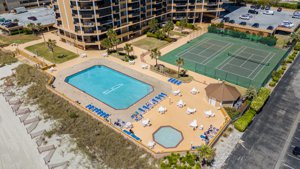
Myrtle Beach Condo Amenity Aerial ViewA monthly fee tells you almost nothing on its own. What matters is what it pays for and whether it's enough. Some fees include exterior maintenance, building insurance, water, trash, pools, and landscaping. Others cover little more than the common areas.

Why Reserves and Special Assessments Matter

A low fee can look like a bargain, but it can be a red flag. If an association isn't setting aside enough money for roofs, paint, elevators, and pavement, owners can face a special assessment later. That bill lands on you, often with little notice. It's also one reason some lenders look closely at certain buildings.

Why Rental Rules Change the Value

If you're buying a second home or plan to rent, the rules decide whether your plan works. Minimum stays, rental caps, and fees differ from building to building, even inside the same resort area. If you're comparing Myrtle Beach condos for sale, or looking at a resort-style community like Barefoot Resort condos, read the rules for the exact building you're considering. Before you offer, or as soon as your contract allows, ask for these items:

  • The current annual budget and last year's financials
  • The reserve study or reserve balance
  • A summary of the master insurance policy
  • The governing documents and rental rules
  • Recent meeting minutes, including any talk of assessments or litigation

I know, reading HOA documents isn't exactly a beach day. But it's some of the cheapest protection you'll ever buy. A Myrtle Beach real estate attorney can help you understand what they mean for your situation.

What Should You Budget for Maintenance, Utilities, and Salt Air?

Coastal homes work hard. Humidity keeps your air conditioning running for months. Salt air and sun wear on exterior paint, decks, railings, windows, and outdoor units. Roofs take wind and heavy rain. An aging HVAC system or roof can turn into a major expense, and summer utility bills run higher than many out-of-state buyers expect. (I've seen a few jaws drop!)

Property type changes the kind of work you take on. A condo may reduce day-to-day maintenance, but it adds documents to review and shared costs you don't control. A single-family home gives you more freedom, and it also gives you every repair. If this will be a second home, think about who Milo, my cat checks on it while you're away. My cat Milo is a wonderful squirrel watcher, but he's not much help with a leaky faucet.

A good inspection helps you separate routine upkeep from near-term expenses. Hire someone who knows coastal systems. Our Myrtle Beach home inspector page can point you in the right direction.

How Does Your Loan Fit Into the Total Cost of Ownership?

Your lender sees many of these costs before you do. Taxes, insurance, and HOA dues all count toward your monthly obligation when a lender decides what you can borrow. That's why I love for buyers to talk with a lender early, before they fall head over heels for a listing.

Elite Home Lending is a Myrtle Beach mortgage company with an education-first approach, and loan officer Travis Buis is licensed across South Carolina. On its website, Elite Home Lending explains that many Myrtle Beach condo buildings aren't warrantable, which can limit financing options, and that wind and hail deductibles and flood zones can change what you qualify for. Those are exactly the details I want you to know before you write an offer. Already have a quote from another lender? Elite Home Lending also offers a second look at it.

How Can You Compare Two Properties Fairly?

Don't compare price alone. Compare the full cost of owning each one. Picture a condo with a higher monthly fee that includes exterior insurance and maintenance. Now picture a single-family home with no HOA, where you pay for your own roof, windows, wind deductible, and lawn. Neither one is better. They're just different ways to live.

The most useful question is what you value most: time, flexibility, or control. Once you know that, the right cost structure gets much easier to see. Figure that out first, and the numbers start working for you instead of surprising you.

“Considering a home in Myrtle Beach? Send me the listing, and I’ll help you identify the ownership costs and property-specific questions to investigate before you make an offer.”

Call or text me at 843-429-1578, or email lmendieta@c21harrelson.com. I love talking real estate (just ask anyone who knows me.), so don't be shy. 

Key Takeaways

  • Your mortgage is one piece of the cost of owning in Myrtle Beach.
  • Primary residences are assessed at 4%, second homes and rentals at 6%.
  • Check wind, hail, and flood coverage before you make an offer.
  • Read HOA budgets, reserves, and rental rules, not just the monthly fee.
  • Talk with a lender early so insurance and dues are in your numbers.

Frequently Asked Questions

How much are property taxes on a home in Myrtle Beach?

It depends on the purchase price, the tax district, and how you use the home. South Carolina assesses a primary residence at 4% and a second home or rental at 6%. Ask for an estimate based on your own purchase price instead of relying on the seller's bill.

Do I need flood insurance for a Myrtle Beach home?

If the home is in a high-risk flood zone and you have a federally backed loan, your lender will likely require it. Even when it isn't required, it's worth getting a quote. Flood damage is usually not covered by a standard homeowners policy.

Why do HOA fees vary so much between buildings?

Each association decides what its fee covers. One may include exterior insurance, water, and maintenance, while another covers only common areas. Always compare what the fee pays for, plus the reserve funding behind it.

Is a condo cheaper to own than a single-family home in Myrtle Beach?

Not always. A condo can reduce maintenance, but monthly dues, assessments, and insurance structure all add cost. The better choice depends on the specific property and how you plan to use it.

When should I look at ownership costs?

Before you make an offer. Once you know the taxes, insurance, and association costs, you can decide with the full picture. Send me the listing and I'll help you find the right questions to ask.

This post is for general educational purposes only and is not tax, legal, insurance, or lending advice. Tax rules, insurance premiums, exemptions, and fees change and vary by property and individual circumstances. Please consult qualified professionals before making a decision. Elite Home Lending, LLC, NMLS #2788023. All loans are subject to credit and property approval.

About Lori Lee Mendieta

Lori Lee Mendieta, Century 21 The Harrelson Group RealtorLori Lee Mendieta is a REALTOR® with Century 21 The Harrelson Group in Myrtle Beach, SC, serving buyers across the Grand Strand. She has lived on the Grand Strand since 2005 and spent 25 years in the world of sports before bringing that same preparation, strategy, and competitive spirit to real estate. Clients know her for her big smile, her laugh, and her love of a good conversation. Lori Lee loves educating buyers, including first-time buyers, investors in commercial properties, and those using FHA, USDA, or VA loans. Her approach is simple: protect your investment, bring clarity to every step, and help you move forward with confidence. Reach her at 843-429-1578, lmendieta@c21harrelson.com.

Posted in Agent Branding
Oct. 6, 2026

North Myrtle Beach Real Estate Market Trends

North Myrtle Beach Is a Distinct Market With Its Own Rhythm

North Myrtle Beach does not move in lockstep with Myrtle Beach proper. It has its own buyer profile, its own inventory patterns, and its own seasonality. Buyers and sellers who assume the two markets behave the same way miss opportunities and misprice homes.

Here is where North Myrtle Beach real estate sits right now, and what buyers and sellers should be watching this fall.

Market snapshot as of September 2026 — conditions can change and this piece will not be updated as they do.

Who Is Actually Buying in North Myrtle Beach

North Myrtle Beach draws four distinct buyer profiles, each active this fall:

  • Snowbird owners who split time between the coast and a northern primary residence — steady demand across Cherry Grove, Ocean Drive, and Tilghman
  • Full-time coastal residents drawn by the smaller-town feel compared to Myrtle Beach proper
  • Vacation rental investors targeting the ocean-block homes and condos with proven rental history
  • Retirees choosing between full-time and seasonal, often anchoring to Barefoot Resort or Tidewater Plantation

Each of these profiles bids differently, tolerates different HOA structures, and cares about different features. That mix keeps the market layered rather than uniform.

The Cherry Grove Section

Cherry Grove — the northernmost stretch — remains a specialty submarket built around canal-front and marsh-front homes. Buyers here often want boat access as much as beach access. This fall:

  • Inventory on canal-front homes remains tighter than the general North Myrtle Beach average
  • Days on market on interior Cherry Grove homes have widened modestly
  • Flood insurance renewal costs are shaping offer terms — buyers building insurance quotes into their due diligence

Cherry Grove is where buyers pay a premium for the specific water access — the market has always priced that separately from oceanfront.

Ocean Drive and Tilghman

Ocean Drive is North Myrtle's downtown-adjacent beach section — walkable, event-heavy in summer, and full of ocean-block homes and condos. Tilghman sits just north with a similar profile. Both work well for buyers who want walking-distance restaurants and shag-dancing history combined with the coast.

Fall observations:

  • Well-priced ocean-block homes with proven rental income are moving quickly
  • Older single-family homes needing exterior work are sitting longer than they did in 2022
  • Condo demand varies dramatically by building — HOA health, reserve studies, and insurance renewals are separating winners from stragglers

The Barefoot Resort Ecosystem

Barefoot Resort continues to anchor a large share of North Myrtle Beach transactions. Multiple sections, multiple product types, and the resort's own social calendar keep buyer demand steady across price bands.

This fall in Barefoot:

  • Golf villas and paired homes with recent updates are moving quickly at the right price
  • Larger custom homes in the higher price bands take more time and precision on pricing
  • Section-by-section HOA differences matter — some sections carry mandatory club fees, others do not

Tidewater Plantation

Tidewater Plantation in Little River — just north of the North Myrtle Beach line — continues to attract established-community buyers, retirees, and golf-first owners. Days on market here trend longer than the beach-adjacent stretches, but that has been consistent for years. It is a slower, more deliberate market by design.

What Sellers Should Do This Fall

North Myrtle sellers preparing to list between now and Thanksgiving should focus on three things:

  • Price against submarket comps, not against the North Myrtle Beach average — Cherry Grove, Ocean Drive, and Barefoot each price differently
  • Handle exterior wear that coastal exposure has produced — buyers here notice
  • Have your HOA documents, insurance quotes, and rental history ready — buyers this fall are asking for them upfront

Our post on handling multiple offers as a Myrtle Beach seller is worth reading if your home is priced sharply — well-prepped ocean-block listings still see multiple bidders here.

What Buyers Should Do This Fall

North Myrtle Beach buyers this fall should:

  • Get pre-approved with a lender that understands coastal and second-home financing — start with our Myrtle Beach home loans page
  • Line up wind, hail, and flood insurance quotes before writing the first offer on a coastal property
  • Learn each section rather than treating “North Myrtle Beach” as one market
  • Verify short-term rental rules and any HOA restrictions for rental use
  • Consider Barefoot golf-villa options alongside straight resale — pricing math can favor either depending on the specific property

Frequently Asked Questions

Is North Myrtle Beach hotter or cooler than Myrtle Beach right now?

Different, not clearly hotter or cooler. The two markets are drawing different buyer profiles. North Myrtle Beach has more snowbird and rental-investor demand relative to primary-residence buyers than Myrtle Beach proper. That difference makes the two markets behave in parallel, not in sync.

Are prices in North Myrtle Beach coming down?

By section, and depending on property type. Well-prepared homes at correct pricing are still selling near list. Overpriced homes and homes with deferred maintenance are seeing more days on market and more price reductions than they would have in 2022.

Is Cherry Grove or Ocean Drive a better buy?

They serve different lifestyles. Cherry Grove leans toward canal-front and marsh-front, boat-owner-friendly, quieter. Ocean Drive leans toward walkability, restaurants, and beach-block living. The “better buy” depends on which lifestyle you actually want.

Key Takeaways

  • North Myrtle Beach is a layered market with four distinct buyer profiles and several very different submarkets
  • Cherry Grove prices water access separately from oceanfront
  • Ocean Drive and Tilghman reward well-prepped, well-priced homes with strong rental history
  • Barefoot Resort remains the largest single ecosystem, with section-by-section HOA differences
  • Sellers should price against the submarket, not the average
  • Buyers should build coastal insurance quotes into their offer preparation

About Greg Harrelson

Greg Harrelson is a seasoned Realtor® with more than 30 years of experience serving the Myrtle Beach and Grand Strand markets. As the founder of Century 21 The Harrelson Group, Greg has built his career helping buyers, sellers, and investors achieve success in every corner of the coastal Carolina real estate market. His expertise spans residential homes, investment properties, land development, and coastal condos. Known for his deep local knowledge, innovative marketing strategies, and commitment to personal service, Greg consistently helps clients reach their real estate goals while navigating the ever-changing market with confidence and precision.

Posted in Market Updates
Oct. 6, 2026

How Do I Choose an Agent to Sell My Longs Home?

Who Should You List With to Sell a Home in Longs, SC?

List with an agent who prices Longs as its own market instead of borrowing numbers from North Myrtle Beach. The right agent can tell you why a house on the fairway in Long Bay and a three-year-old build off Highway 9 don't compete with each other, even when the square footage matches. Ask how many Longs homes the agent has actually closed, how they plan to pull buyers over from the beach side, and what happens in the first ten days your house is live. Those three answers sort out the field quickly.

The sign that ends up in your yard says Century 21 The Harrelson Group, and my name is on the company because I started it. Greg Harrelson, more than thirty years of listing homes between the Waccamaw and the ocean.

Longs Is Three Markets Sharing One Zip Code

Drive Highway 9 from the Highway 17 split out toward Loris and you pass three different housing stories in about fifteen minutes.

  • Established golf neighborhoods, like Colonial Charters, built out years ago around a golf club with mature trees and original owners.
  • New production inventory, like the Bluffs at Sun Colony, where a builder may still be selling a brand-new version of your floor plan two streets over.
  • Older homes and acreage on family land, some of it with manufactured housing, which parts of Longs allow where most subdivisions on the Grand Strand don't.

Those three don't price the same way, and they don't sell to the same person. An agent who treats 29568 as one spreadsheet will miss on at least two of them.

Here's what I mean. If your house sits in an established neighborhood and the agent pulls every closed sale inside a one-mile radius, that search drags in manufactured homes and builder closings. Builder closings carry incentives buried in the contract, so the recorded price says little about what a resale buyer would pay. Manufactured homes appraise against their own comps. Mix it all together and the average comes out low, and you price against houses that were never your competition.

How Do I Choose an Agent to Sell My Longs Home?

What a Longs Listing Agent Does That a Visiting Agent Can't

Think about a mechanic who has had forty of the same model up on the lift. He hears the noise once and knows which of two things it is. The guy reading the manual gets there eventually, but you pay for the hours in between. Local pricing instinct works the same way, and in Longs it shows up in four places.

Knowing which buyer pool your house belongs to

Longs gets lumped in with Little River because of how close the two sit, and plenty of buyers arrive the same way: they shop North Myrtle Beach first, run into the price, then drive inland on Highway 9. That buyer needs to be told what they gain. A different buyer comes from out of state with a budget and never looked at the beach at all. The copy that moves one is wasted on the other.

Understanding that Longs has no town hall

Longs is unincorporated, so there's no municipal government of its own. Zoning, permits, and septic questions run through Horry County, not a town office. When a buyer's agent asks whether that back room was permitted, the answer comes out of county records, and a seller who finds that out during due diligence instead of before listing loses leverage.

Getting the disclosure right the first time

South Carolina asks sellers to complete the Residential Property Condition Disclosure Statement, and on older Longs property the honest answers get complicated. Well and septic, a roof replaced after a storm, a crawl space that has seen water. Writing those down accurately up front costs you a little on paper and saves you the renegotiation that comes when an inspector finds it anyway.

Classifying the property correctly for taxes

South Carolina assesses an owner-occupied legal residence at a lower ratio than a second home or rental, and Longs has both on the same street. An agent who quotes your legal-residence tax number to an investor has created a problem that surfaces at closing.

Ask How Buyers Get Qualified Before You Go Under Contract

A contract that falls apart in week three costs you more than a lower price would have. We ask what sits behind a preapproval before recommending you take the house off the market, which is why we keep a plain-English list of the documents a lender actually needs and hand it to buyers early. On acreage or a manufactured structure, financing is where deals die. You want to know that before you accept.

One seller put the result plainly in a review of our office: "we are happy to say that we had a buyer within less than a week." — Gigi K.

What If You Can't Wait for a Traditional Buyer?

Some sellers don't have ninety days. An estate has to be settled, a job starts in another state, a family is carrying two mortgages. For those situations we keep relationships with investors who buy directly, and we bring you both numbers side by side: what the open market would likely produce over a normal marketing period, and what an investor will pay this month. Most sellers see the two and choose the market. The ones who truly can't wait get a real option instead of a stalled listing.

For scale, our Myrtle Beach office runs 89 active agents, and the office profile carries 515 Google reviews as of October 2026. That matters to a Longs seller for one practical reason: the agent working your listing isn't working it alone.

Key Takeaways

  • Longs holds three distinct housing types, and pricing all of them off one radius search produces a low number.
  • Builder incentives and manufactured-home sales distort comps. The agent should be excluding them, not averaging them.
  • Longs is unincorporated, so permits and zoning answers come from Horry County.
  • Complete the South Carolina Residential Property Condition Disclosure Statement carefully on older property. It protects your negotiating position.
  • Ask how buyer financing gets verified before you accept an offer, especially on acreage or manufactured housing.
  • If your timeline is short, ask for the investor number and the market number together, then decide.

Frequently Asked Questions

Does an agent need to live in Longs to sell my home there?

No, but they need closings there. What matters is whether the agent has priced and sold homes in your specific type of Longs neighborhood, because an established golf community and a new-construction street behave differently. Ask for the addresses, not the territory claim.

Why do Longs homes sometimes appraise lower than the contract price?

Usually because the appraiser's comp set pulled in builder closings or manufactured homes that aren't true comparables. A listing agent who documents the right comparables, and hands that file to the appraiser at the inspection, prevents most of these before they happen.

Should I sell before or after the builder finishes the rest of the neighborhood?

If a builder is still selling new homes near you, you're competing with warranties and incentives you can't match. In that situation we usually price and market against the builder directly rather than pretending they aren't there, and we lean on what a finished yard and existing window treatments are worth to a buyer who doesn't want to wait.

Do I need a real estate attorney to sell a home in Longs?

South Carolina requires attorney supervision of the real estate closing, so yes, an attorney will be involved in your sale. Your listing agent should coordinate with that office on title, payoffs, and the deed rather than leaving you to chase it.

About Greg Harrelson

Greg Harrelson is a seasoned Realtor® with more than 30 years of experience serving the Myrtle Beach and Grand Strand markets. As the founder of Century 21 The Harrelson Group, Greg has built his career helping buyers, sellers, and investors achieve success in every corner of the coastal Carolina real estate market. His expertise spans residential homes, investment properties, land development, and coastal condos. Known for his deep local knowledge, innovative marketing strategies, and commitment to personal service, Greg consistently helps clients reach their real estate goals while navigating the ever-changing market with confidence and precision.

Posted in For Sellers
Oct. 5, 2026

WDIR / CL-100 Termite Letters in South Carolina Explained

The One Piece of Paper Every SC Real Estate Deal Needs to Understand

WDIR and CL-100 letters come up in almost every South Carolina real estate closing, and they generate more confusion than almost any other line item. If you are buying, selling, or refinancing on the Grand Strand, understanding what these letters actually cover — and what they do not — will save you a headache.

What Is a WDIR?

WDIR stands for “Wood-Destroying Insect Report.” It is a formal inspection of a home for evidence of active or previous wood-destroying insect activity — subterranean termites, drywood termites, powder-post beetles, old house borers, and carpenter ants — plus any conducive conditions like moisture, wood-to-earth contact, or improper grading that could invite them.

The WDIR is filed by a licensed South Carolina pest control operator and is valid for a defined period, generally 30 to 60 days depending on the requesting lender or program.

What Is a CL-100?

CL-100 is the specific South Carolina form used for a WDIR. In practical Grand Strand conversation, “WDIR letter,” “CL-100,” and “termite letter” are used interchangeably. They all refer to the same document.

The CL-100 covers two categories of findings:

  • Section I: Evidence of wood-destroying insects — active infestation, past infestation, or damage attributable to them
  • Section II: Conducive conditions — moisture readings, wood-to-earth contact, improper drainage, plumbing leaks, cellulose debris in crawl spaces

WDIR / CL-100 Termite Letters in South Carolina ExplainedWho Orders It and Who Pays?

On most Grand Strand transactions:

  • The buyer's side coordinates the WDIR / CL-100 inspection with the pest company
  • By local convention, the seller usually pays for the letter itself, though it is negotiable inside the contract
  • The buyer's lender frequently requires the letter as a condition of closing, especially on FHA, VA, and USDA loans
  • Some conventional lenders do not require it, but buyers usually still order one for their own protection

What Happens If the Letter Comes Back Clean

A clean CL-100 lists no active infestation and no conducive conditions. The letter goes to the closing attorney, the lender is satisfied, and the item disappears from the closing checklist.

What Happens If the Letter Comes Back With Findings

This is where most Grand Strand deals get complicated. Common Section I and Section II findings on coastal homes include:

  • Old termite damage in a crawl space, with no active insects present
  • Moisture readings above threshold in crawl spaces (very common in coastal Carolina)
  • Wood-to-earth contact on decks or siding
  • Cellulose debris under the home
  • Active subterranean termite tubes in older homes without recent treatment

Findings do not automatically kill a deal. What usually happens:

  • Buyer and seller negotiate who addresses the finding
  • Seller arranges treatment or repair, or provides a credit at closing so the buyer handles it
  • Pest company issues an updated letter after treatment or after conditions are corrected
  • Closing proceeds with the corrected letter

For a broader view of what buyers respond to during inspection, see our post on the South Carolina due diligence process.

Coastal-Specific WDIR Realities

Grand Strand homes deal with two termite-adjacent realities buyers should factor in:

  • High humidity and coastal soil moisture make Section II moisture findings common even on well-maintained homes
  • Older homes on crawl-space foundations show occasional prior termite damage — most has been treated at some point, but the letter still reports it

Neither is inherently a red flag. Both are reasons to work with a knowledgeable local agent who can help interpret the letter and structure a sensible response. Buyers moving from drier or colder climates should read our overview of what changes when moving to Myrtle Beach from the Northeast — coastal humidity is part of that adjustment.

Do New-Construction Homes Need a CL-100?

Not always. Many builders offer a builder's termite bond and pre-treatment record instead. Some lenders accept that in place of a fresh WDIR. Buyers should confirm with their lender before waiving the letter, and preserving the builder's bond paperwork is worth doing for future resale.

How Long Is the Letter Good For?

Most lenders want the WDIR dated within 30 days of closing. Some allow 60. If a deal extends beyond that window because of appraisal delays or financing issues, expect the pest company to re-inspect and re-issue the letter (usually for a small re-inspection fee).

Frequently Asked Questions

Is a WDIR the same as a full home inspection?

No. The WDIR is a focused inspection for wood-destroying insects and conducive conditions only. Buyers should also order a general home inspection to evaluate the structure, systems, and other components. Both inspections happen during the due diligence window.

Who does the treatment if the letter comes back with active termites?

Standard practice is that the seller arranges and pays for treatment, then delivers an updated letter and a treatment warranty from the pest company. That warranty transfers to the buyer at closing. Details are negotiable in the contract addendum.

Do I need a WDIR for a condo purchase?

Usually yes, especially for ground-floor and low-rise buildings. Higher-floor units in mid-rise or high-rise buildings sometimes skip the WDIR when the building HOA maintains a termite bond covering the structure. Buyers should still verify what the HOA covers and confirm with their lender.

Can I refuse the WDIR requirement?

Only if your lender does not require it and you are willing to accept the risk. Buyers who waive the letter save a small fee but lose an important disclosure. On coastal homes, the letter is a cheap protection worth keeping. See our overview of what buyers should know before purchasing in Myrtle Beach for the wider due diligence picture.

Key Takeaways

The WDIR / CL-100 is a South Carolina standard termite letter that documents any wood-destroying insect activity plus conducive conditions like moisture and wood-to-earth contact. On the Grand Strand it is a standard closing document, often lender-required, usually paid by the seller. Findings do not kill deals — negotiated treatment or credits do the job. Understanding what the letter covers and what your options are when it comes back with items is the difference between a smooth closing and a scramble.

About Greg Harrelson

Greg Harrelson is a seasoned Realtor® with more than 30 years of experience serving the Myrtle Beach and Grand Strand markets. As the founder of Century 21 The Harrelson Group, Greg has built his career helping buyers, sellers, and investors achieve success in every corner of the coastal Carolina real estate market. His expertise spans residential homes, investment properties, land development, and coastal condos. Known for his deep local knowledge, innovative marketing strategies, and commitment to personal service, Greg consistently helps clients reach their real estate goals while navigating the ever-changing market with confidence and precision.