Explore the Myrtle Beach Real Estate Blog

Find exactly what you need, whether you're buying, selling, or just getting to know the Grand Strand.

01

Buying a Home

First-time buyer guides, financing tips, and how to win in the Myrtle Beach market.

02

Selling a Home

Pricing, staging, and the marketing that actually gets coastal homes sold.

03

Lifestyle and Communities

Coastal living, local communities, and what day-to-day life is really like along the Grand Strand.

04

Market Updates

The latest on prices, inventory, and what it means for you.

05

Moving & Relocation

Relocating to the coast? Tips on the move, schools, and settling into the Grand Strand.

06

Offer to Close

Step-by-step guides to buying and selling on the Grand Strand — from your first offer through closing day.

June 22, 2026

Georgetown SC Historic District Homes and Lifestyle

The Allure of Georgetown's Historic District

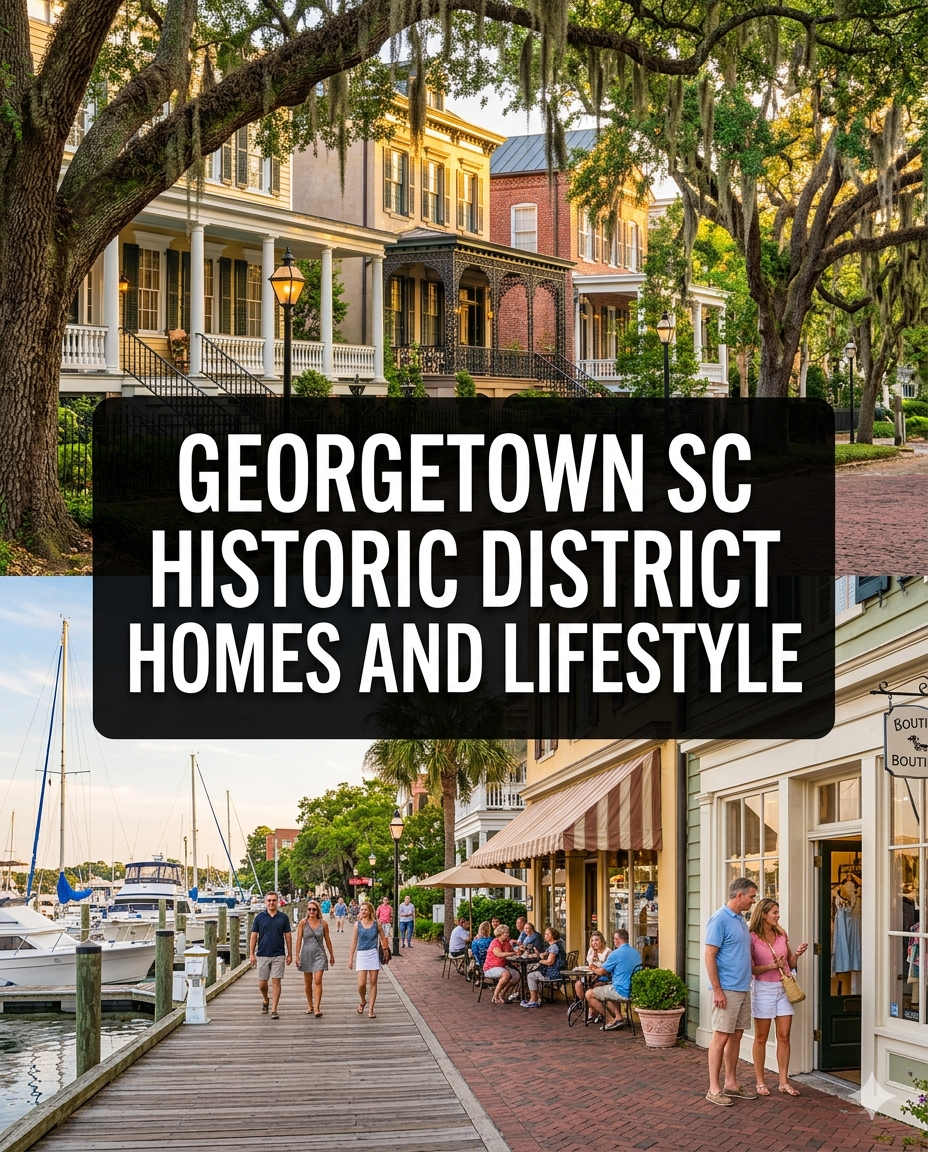
Georgetown is one of the most distinctive places to own a home along the South Carolina coast. As the state's third-oldest city, it carries an architectural and cultural identity you simply do not find elsewhere along the Grand Strand. Buyers searching for Georgetown SC real estate are usually drawn to the historic district for the same reasons it has held its character for centuries: a walkable Front Street waterfront, mature trees, historic homes, and a calmer pace that feels rooted in place rather than driven by tourism.

Owning a home in or near Georgetown's historic district is not just a real estate decision. It is a lifestyle choice that blends history, the waterfront, and a deep sense of community.

What Defines the Historic District Lifestyle

Walking the Streets and the Front Street Waterfront

The historic district is built for walking. Front Street follows the Sampit River and connects locally owned restaurants, shops, art galleries, and the Harborwalk. Owners often start the day with coffee on the water, run errands on foot, and end the evening at a restaurant just blocks from home. It is the kind of daily rhythm that draws retirees, second-home buyers, and remote workers who want to slow down without sacrificing access to good food and culture.

Architecture and Character

Many homes in the historic district date back to the 18th and 19th centuries. Buyers love the original architecture, mature live oaks draped in Spanish moss, brick streets, and the personal scale of each block. Renovations and updates are common, but the area's preservation focus keeps the character intact, which protects long-term values for owners who want a property that stands out.

A Slower, More Connected Pace

Georgetown moves at a different speed than the rest of the Grand Strand. The community is small enough that neighbors know each other and large enough to support active downtown events year round. Buyers consistently mention this everyday connection as the reason they ultimately chose Georgetown over busier coastal markets.

Communities Near the Historic District

Downtown Georgetown

Homes inside the historic district itself sit within walking distance of the waterfront, restaurants, and shops. Inventory is limited, and most homes have a story attached to them. Buyers focused on this area should be prepared to act quickly when the right property hits the market.

Wedgefield Plantation

Just minutes from the historic district, Wedgefield Plantation blends Lowcountry estate character with modern community amenities. The neighborhood features mature trees, a community golf course, equestrian access, and homes that range from cottages to larger estates. For buyers who want historic-area access but prefer more land and privacy, this is one of the strongest fits in the area.

The Arbors at Wedgefield Plantation

The Arbors at Wedgefield Plantation offers a more focused selection of homes inside the larger Wedgefield community. Buyers here enjoy proximity to Wedgefield's amenities while choosing a layout and price point that fits a smaller footprint. The Arbors works well for buyers who want to be close to historic Georgetown without taking on the maintenance of a larger estate property.

DeBordieu Colony

For buyers seeking a luxury coastal lifestyle within easy reach of historic Georgetown, DeBordieu Colony offers private beach access, golf, tennis, and a gated community feel. DeBordieu sits between the historic district and Pawleys Island, blending coastal exclusivity with the cultural draw of Georgetown.
Georgetown SC Historic District Homes and Lifestyle

Costs and Practical Considerations

Historic district ownership has its own unique financial profile. Older homes may require updated electrical, plumbing, or roofing systems, and renovation projects can be subject to preservation guidelines. Insurance can vary based on age, location, and proximity to water. Property tax rates in Georgetown County differ between primary residents and second-home owners, so the math should be run before assuming ownership costs.

Flood zones along the waterfront and the Sampit River need careful review. Elevation and flood coverage can affect both monthly cost and long-term resale. Buyers should also ask about historic preservation requirements that may apply to exterior changes, additions, or new construction within the district.

Strategy for Buyers

The best strategy in historic Georgetown is patience paired with readiness. Inventory is limited, and the right property does not always arrive on schedule. Buyers who line up their financing, define their must-haves, and partner with an experienced local agent are positioned to move quickly when a home that fits their goals comes to market. For luxury or estate buyers, a similar mindset applies in DeBordieu Colony and Wedgefield Plantation, where each home has a unique character that justifies due diligence.

Key Takeaways

  • Georgetown's historic district offers a walkable, character-rich lifestyle that is rare on the Grand Strand
  • Wedgefield Plantation and The Arbors at Wedgefield Plantation deliver historic-area access with more space
  • DeBordieu Colony adds a private, luxury coastal layer within easy reach of historic Georgetown
  • Older homes, flood zones, and preservation rules require thorough due diligence
  • Limited inventory means buyers should be financially ready and clear on priorities before searching

Frequently Asked Questions

Do historic district homes have renovation restrictions?

Many homes inside Georgetown's historic district are subject to preservation guidelines that affect exterior changes, additions, and certain repairs. Interior renovations are generally more flexible. Always confirm specific requirements with the local preservation authority and the homeowner's insurance carrier before planning major work.

How do property taxes work for second-home buyers in Georgetown County?

South Carolina applies a higher tax assessment ratio to non-primary residences than to primary homes. Second-home owners in Georgetown County should expect higher annual tax bills than owner-occupants on a similar property. Running the numbers in advance prevents surprises at closing and during the first tax cycle.

Is flood insurance required for waterfront historic district homes?

Flood coverage is often required for properties in higher-risk flood zones near the Sampit River and along the waterfront. Even where it is not required, many owners choose to carry it given the area's coastal exposure. Reviewing the elevation certificate and flood zone designation early in due diligence is the safest move.

What is the difference between living in DeBordieu Colony and the historic district?

The historic district focuses on walkability, downtown culture, and historic character. DeBordieu Colony is a private, gated coastal community with beach access, golf, and a quieter pace. Many buyers actually choose one as a primary home and the other as a frequent visit destination, depending on lifestyle priorities.

About Greg Harrelson

Greg Harrelson is a seasoned Realtor® with more than 30 years of experience serving the Myrtle Beach and Grand Strand markets. As the founder of Century 21 The Harrelson Group, Greg has built his career helping buyers, sellers, and investors achieve success in every corner of the coastal Carolina real estate market. His expertise spans residential homes, investment properties, land development, and coastal condos. Known for his deep local knowledge, innovative marketing strategies, and commitment to personal service, Greg consistently helps clients reach their real estate goals while navigating the ever-changing market with confidence and precision.

June 19, 2026

Why Buyers Choose Little River, SC

Why Little River Keeps Showing Up on Buyer Lists

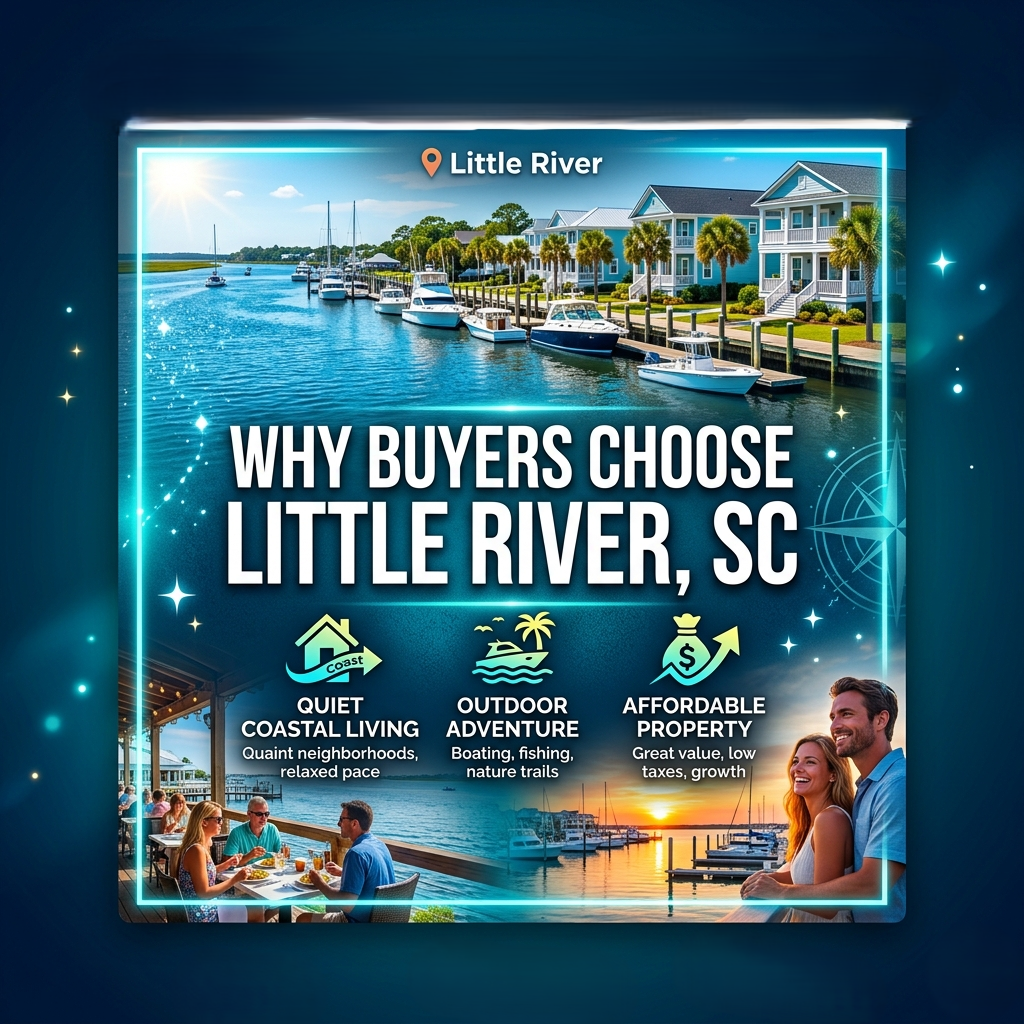
Little River, SC has quietly become one of the more interesting markets on the North Strand. It sits just north of North Myrtle Beach, tucked along the Intracoastal Waterway, and it has the kind of unhurried, working-waterfront feel that a lot of buyers say they’re looking for but can’t always find. The shrimp boats are still part of the picture. So are the small marinas, the waterfront restaurants, and a stretch of golf courses that draw players from across the country.

For buyers comparing options on the coast, Little River usually earns a second look once they spend a weekend here. Below is what I see drive most of those decisions.

A Lifestyle That Doesn’t Feel Touristy

The first thing buyers notice is the pace. North Myrtle Beach next door is busy in season, and Little River feels noticeably calmer. You still get the convenience — restaurants, grocery, healthcare, the beach a short drive away — but without the bumper-to-bumper feel of peak tourist weekends.

The waterway is a real anchor of daily life. Buyers who own boats end up gravitating here because Little River gives them direct access to the Intracoastal, the inlet, and ultimately the ocean. Even buyers who don’t own a boat tend to spend time on the water — fishing charters, dolphin cruises, casino boats, and waterfront dining are easy to walk to or reach in minutes.

Strong Value Compared to North Myrtle Beach

This is the big one. Buyers crossing into Little River from neighboring zip codes often find they can get more home — more square footage, more lot, more amenities — for the same budget. That’s especially true once you step a few minutes inland from the waterway.

That value gap is one of the reasons new construction has been so active here over the last several years. Builders kept finding land at prices that still made sense for them and for buyers, which is no small thing in 2026.

Communities Worth Knowing

Little River isn’t one neighborhood. It’s a collection of communities with different price points, amenity packages, and vibes. A few examples buyers should be aware of:

Big Landing

Big Landing is a gated community right on the Intracoastal Waterway with a clubhouse, pool, and a fishing pier of its own. If waterway lifestyle is the priority, it’s one of the first communities to put on the short list.

Hidden Brooke

Hidden Brooke leans newer-construction and family-friendly, with a community amenities center and pool. Buyers coming from out of state often appreciate that the homes feel modern and the layout of the neighborhood is straightforward.

River Hills

River Hills is one of Little River’s long-established golf course communities. If golf is part of why you’re moving to the coast, this is a different kind of fit than the resort-style condo communities you find further south.

Cypress Village

Cypress Village is a single-family, natural-gas community with a strong amenity package — pool, clubhouse, fitness center, lake, pickleball, and a small boat dock. It’s a good fit for buyers who want active community living without going all the way into a 55+ designation.

Windjammer Village

Windjammer Village appeals to buyers looking for a more established, gated feel with strong waterway-adjacent amenities — pool, clubhouse, community boat ramp, fishing pier, and tennis courts. Homes here tend to be a bit older, which can mean character and good bones for the right buyer.

Why Buyers Choose Little River, SC

Who Tends to Buy in Little River

Three buyer profiles come up most often:

  • Retirees and near-retirees who want coastal living without the noise level of Myrtle Beach proper
  • Out-of-state buyers — heavy from the Northeast and the Midwest — looking at warmer weather, lower property taxes, and waterway access
  • Investors and second-home buyers who like the price-to-rental potential ratio compared to oceanfront markets

You also see a healthy share of buyers moving from North Myrtle Beach itself, downsizing or shifting from an older home into something newer in a planned community.

Practical Things to Think About Before You Buy

Little River sits in a part of Horry County where flood zones, wind insurance, and HOA structures vary block to block. A few things I tell buyers to plan for:

  • Confirm the flood zone of any specific property and get an insurance quote before you’re past your due diligence period.
  • Read the HOA budget and any pending special assessments, especially in older communities and condo buildings.
  • For waterway-adjacent properties, ask about dock permits, easements, and any restrictions on boat lifts.
  • For golf course communities, check whether the golf membership is mandatory, optional, or tied to the HOA.

Strategy for Buyers in Little River

If you’re weighing Little River vs. North Myrtle Beach, don’t just compare list prices. Compare total cost of ownership — taxes, HOA, insurance, commute to where you’ll actually spend time. Little River often wins that math.

If you’re shopping new construction, look closely at the lot premiums and what comes standard versus what’s an upgrade. Builder incentives have stayed competitive on the North Strand, and a good local agent can help you negotiate beyond the sticker.

Frequently Asked Questions

Is Little River, SC a good place to retire?

Yes, Little River is one of the more popular retirement spots on the North Strand. Buyers gravitate here for the slower pace, waterway lifestyle, mild winters, and lower property taxes compared to many Northeast and Midwest states. There’s a strong mix of single-family and condo options that work for retirees, including 55+ and active-adult communities nearby.

What are HOA fees like in Little River communities?

HOA fees in Little River vary widely based on amenities. A simple neighborhood with basic common-area upkeep can be a few hundred dollars per year, while gated waterway communities with clubhouses, pools, piers, and on-site maintenance can run well over $1,000 annually. Condo fees are higher because they typically cover insurance, exterior maintenance, and shared utilities.

Is Little River cheaper than North Myrtle Beach?

In most direct comparisons, yes. Buyers can often get more home or more land in Little River for the same budget as a comparable property in North Myrtle Beach, especially once you step a few minutes inland from the waterway. Oceanfront and direct-waterway exceptions exist, but the broad market trend has favored value in Little River.

Are there short-term rental rules in Little River?

Short-term rental rules depend heavily on the specific community and whether you’re inside Little River’s town limits or in unincorporated Horry County. Some HOAs restrict or prohibit short-term rentals entirely, while others allow them with conditions. Always confirm both the local ordinance and the community’s rules in writing before you buy with rental income in mind.

Key Takeaways

  • Little River offers a calmer, more working-waterfront feel than its neighbors to the south.
  • Buyers consistently get more home for the money than in North Myrtle Beach.
  • Waterway access, golf, and new construction are three of the biggest draws.
  • Communities range from gated waterway neighborhoods to natural-gas, amenity-rich single-family developments.
  • Verifying flood zones, HOA budgets, and rental rules upfront is non-negotiable here.

About Greg Harrelson

Greg Harrelson is a seasoned Realtor® with more than 30 years of experience serving the Myrtle Beach and Grand Strand markets. As the founder of Century 21 The Harrelson Group, Greg has built his career helping buyers, sellers, and investors achieve success in every corner of the coastal Carolina real estate market. His expertise spans residential homes, investment properties, land development, and coastal condos. Known for his deep local knowledge, innovative marketing strategies, and commitment to personal service, Greg consistently helps clients reach their real estate goals while navigating the ever-changing market with confidence and precision.
June 18, 2026

Best Conway, SC Neighborhoods for Families

Why Conway Works for Families

Conway has always had its own identity. It’s the historic seat of Horry County, sits along the Waccamaw River, and has a downtown that genuinely feels like a small Southern town instead of a manufactured one. For families, that combination is a big part of the appeal — you get the charm and the community feel, plus you’re close enough to Myrtle Beach to drive to the ocean for the day without paying coastal prices to live there.

The other thing families notice quickly is value. Conway, SC generally gives you more home, more lot, and more flexibility for the same money than comparable coastal zip codes. Builders have responded — there’s been a steady run of new construction over the last several years, especially along the Highway 90 corridor and out toward Aynor.

What Families Actually Care About in a Conway Neighborhood

When I work with families moving to the area, the priorities tend to cluster around a short list:

  • A school zone they’re comfortable with
  • A neighborhood that feels safe for kids on bikes
  • Reasonable HOA fees that don’t feel punitive
  • Enough space inside — and in the yard — to actually live
  • A reasonable commute, whether that’s to Conway Medical Center, the school the kids attend, or one of the bridges into Myrtle Beach

That last one is bigger than people expect. Where you live in Conway has a meaningful effect on how long it takes to get to where you work and where the kids go to school.

Top Conway Neighborhoods for Families

Tiger Grand

Tiger Grand is one of the more popular upscale neighborhoods in Conway, with views over several ponds and the kind of layout families respond to — sidewalks, underground utilities, and walking trails. The neighborhood is tucked just off the 501 Bypass, which puts you close to shopping, Conway Medical Center, and a quick path toward Myrtle Beach. Homes tend to be well-maintained and aesthetically consistent.

Fieldview

Fieldview is a newer Lennar community on Highway 90. It’s a natural-gas neighborhood — which matters more than buyers from outside the region realize, because gas appliances and tankless water heaters are common — with roughly 120 single-family homes, some wrapped around a small lake. The amenity center, pool, and pond setup gives kids and parents a real outdoor element without leaving the neighborhood.

Briarfield

Briarfield is worth a serious look for families specifically because of the school zoning. It feeds into the highly regarded Aynor School District, and the homes are built around practical floor plans with three to four bedrooms. The neighborhood is quieter than some of the larger master-planned developments, which a lot of parents prefer.

Glenmoor

Glenmoor is positioned along Highway 90, which means it splits the difference between Conway and Myrtle Beach. Homes range roughly 1,500 to 3,000 square feet with three to five bedrooms, and prices have stayed approachable for families looking to buy more home for the dollar. If one parent commutes to the beach and the other stays closer to Conway, Glenmoor is a logical compromise.

Carolina Lakes

Carolina Lakes leans more toward an estate-style feel with scenic lakes, walking trails, and a mix of architectural styles. The lots are generally larger, which appeals to families who want room for kids, pets, and outdoor activity without going fully rural.

Coastal Heights

Coastal Heights is another solid family option with a community pool, and easy access to both Conway and Myrtle Beach. The price points have been particularly competitive, which makes it a popular landing spot for first-time buyers and growing families.

A Note on School Zones

Conway sits across more than one Horry County school attendance zone. Two homes that look almost identical on a map can feed into completely different schools. Before you fall in love with a property:

  • Pull the official school zoning for that specific address.
  • Understand that magnet and choice programs may give you more options than the base zoning suggests.
  • Check the school’s capacity and any recent rezoning discussions, especially in fast-growing corridors.

This is the single most common surprise for families moving in from out of state, and it’s avoidable with a five-minute check.

Best Conway, SC Neighborhoods for Families

Lifestyle Around Conway

Downtown Conway has been on a quiet upswing for a while now. Coffee shops, breweries, riverwalk events, and Coastal Carolina University being right next door keep the area lively without feeling overrun. The Waccamaw River is a real lifestyle feature for families — paddleboarding, kayaking, riverside picnics, and easy boat access are part of the rhythm of life here.

You’re also close to the kind of practical infrastructure that matters when you have kids — grocery stores, urgent care, Conway Medical Center, parks, ball fields, and a healthy slate of community events through the year.

Practical Considerations for Conway Buyers

A few things to keep in mind:

  • Some Conway neighborhoods sit in or near flood zones along the Waccamaw or its tributaries. Always check the FEMA flood map for the specific lot, not just the neighborhood as a whole.
  • New construction has been heavy along Highway 90 and out toward the Aynor side. That’s good for value but can mean more construction traffic for a few years.
  • Property taxes in Horry County are generally favorable, but check the owner-occupied vs. non-resident rate carefully — they’re very different.

Strategy for Family Buyers in Conway

Start with school zone, then commute, then community. If you reverse that order, you’ll fall in love with a house that doesn’t actually fit your week-to-week life. Conway gives you real choice, and the right neighborhood depends as much on logistics as it does on aesthetics.

Key Takeaways

For families, Conway offers a combination that’s hard to beat on the Grand Strand — strong value, real school options, room to grow, and a downtown that still feels like a community. Neighborhoods like Tiger Grand, Fieldview, Briarfield, Glenmoor, Carolina Lakes, and Coastal Heights each appeal to a slightly different version of family life, from newer builds with amenity centers to quieter, school-zone-driven choices. The smartest path is to pin down your non-negotiables first — schools and commute, mainly — and then let the right neighborhood reveal itself from there.

About Greg Harrelson

Greg Harrelson is a seasoned Realtor® with more than 30 years of experience serving the Myrtle Beach and Grand Strand markets. As the founder of Century 21 The Harrelson Group, Greg has built his career helping buyers, sellers, and investors achieve success in every corner of the coastal Carolina real estate market. His expertise spans residential homes, investment properties, land development, and coastal condos. Known for his deep local knowledge, innovative marketing strategies, and commitment to personal service, Greg consistently helps clients reach their real estate goals while navigating the ever-changing market with confidence and precision.
June 17, 2026

Why Buyers Are Considering Aynor, SC for Longer-Term Living

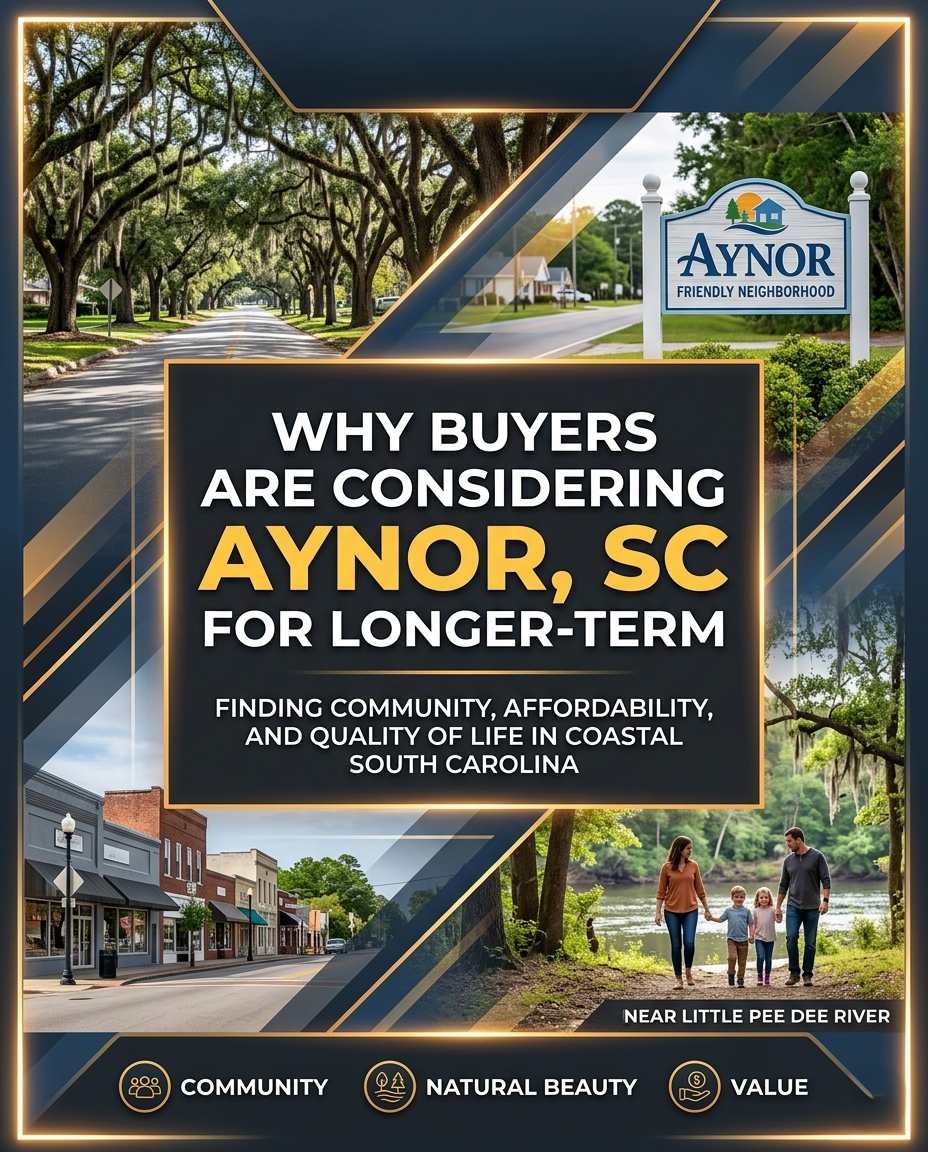
Why Aynor Is Getting a Second Look

A few years ago, Aynor barely came up in coastal-buyer conversations. It does now. The combination of growth on the Highway 22 and Highway 501 corridors, the well-regarded Aynor school district, and an affordability gap with the coast has put this small Horry County town on more buyer lists than it used to be.

People come to Aynor for different reasons, but the patterns are clear: they want more land, a slower pace, and a sense of community that’s harder to find inside the busier Grand Strand zip codes. They’re also comfortable trading a longer drive to the beach for a better fit at home.

Who’s Buying in Aynor

The buyer profiles I see most often:

  • Families who want a real piece of land and the Aynor school district
  • Retirees coming from out of state who want low cost of living, low taxes, and a quieter coastal-adjacent life
  • Buyers moving inland from Myrtle Beach or North Myrtle Beach to escape congestion, HOA-heavy living, or rising insurance costs near the coast
  • Investors and builders looking at the corridor as land values rise

There’s also a subset of buyers who simply want a place where their dog can run and they don’t have to mow a postage-stamp lot. That’s a real thing here.

What You Actually Get in Aynor

The town itself is small. The surrounding area is a mix of established country roads, working farms, and new construction subdivisions filling in steadily. Homes range from older farmhouses on multi-acre tracts to brand-new single-family neighborhoods aimed at families and first-time buyers.

Land and Acreage

Aynor is one of the few places near the Grand Strand where buyers can still find acreage properties at prices that don’t require a coastal-market budget. That’s a significant draw for buyers who want a workshop, a barn, room for a few animals, or just real distance from the next-door neighbor.

There’s also a steady supply of Aynor land for sale for buyers planning to build. Site work and well-and-septic costs vary, so anyone going the build route should plan for that conversation early.

New Construction

The new construction segment has been the biggest growth story here. Builders have found that buyers are willing to drive a little further for newer homes at price points that no longer pencil closer to the coast.

A few communities worth knowing:

Baylee Estates

Baylee Estates was developed by Creekside Home Builders starting in 2020. One detail buyers appreciate: the community sits outside Aynor city limits, which generally means lower taxes. The homes feel modern, the layouts are practical, and the price points have been competitive.

Woodland Farms

Woodland Farms is one of the newer additions, positioned conveniently off Highway 501 and Highway 22, which keeps access to Conway and the Grand Strand easier than the address might suggest.

Oak Hill Estates

Oak Hill Estates appeals to buyers who want larger lots and a more rural feel without giving up reasonable proximity to schools and shopping.

No-HOA Options

Plenty of buyers move to Aynor specifically because they’re tired of HOA-driven communities. There’s a meaningful supply of Aynor no-HOA homes for buyers who want fewer restrictions on what they can do with their own property. That’s especially attractive for boat, RV, and trailer owners.

Why Buyers Are Considering Aynor, SC for Longer-Term Living

Schools, Lifestyle, and the Aynor Identity

The Aynor school district has a long reputation as one of the stronger districts in the county, which keeps families specifically looking inside that attendance zone. Aynor Middle School is one of the well-known anchors in that system.

Lifestyle here is unapologetically small-town:

  • The annual Harvest Hoe-Down still draws the whole town.
  • Friday-night high school football is a real social event.
  • You’ll see horses, tractors, and the kind of community fabric that doesn’t come together quickly in a planned development.

That said, Aynor is not isolated. You’re roughly 15 minutes to Conway’s shopping, restaurants, and Conway Medical Center, and about 30 minutes to the Myrtle Beach area depending on where you’re going. Buyers who want to keep one foot in coastal Carolina life can do that comfortably.

Practical Considerations

A few realities buyers should plan for:

  • Many homes are on well and septic rather than municipal water and sewer. That’s a different maintenance pattern, not a problem, but it deserves attention at inspection.
  • Internet service has improved meaningfully in the area but can still vary block to block. Verify before you commit if you work remotely.
  • Property taxes are generally favorable in this part of Horry County, but make sure the listing reflects owner-occupied vs. non-resident rates.
  • The Highway 501 corridor is growing. Traffic patterns and proposed road improvements are worth understanding before you buy.

Strategy for Aynor Buyers

If you’re considering Aynor, decide first whether you want acreage, a planned community, or a build site. Each path has different timelines, costs, and trade-offs. Buyers who try to do all three at once tend to stall out.

Once you’ve picked a lane, get a real handle on the school zoning if that matters to you. Confirm flood zones for rural lots. And when you tour properties, ask about the practical things — well capacity, septic location, fiber availability, fencing rights, easements — that don’t come up much in HOA-driven coastal markets but matter a lot out here.

Key Takeaways

Aynor has gone from afterthought to active option for a meaningful slice of Grand Strand buyers. Families lock in for the school district, retirees and remote workers come for land and lower costs, and a growing share of buyers from Myrtle Beach are heading inland for a quieter version of coastal Carolina life. The market here favors buyers who do their homework — verifying schools, well and septic, taxes, and growth corridors. For the right person, Aynor offers something most coastal towns simply can’t: real space, real community, and a longer-term value story that’s only getting clearer.

About Greg Harrelson

Greg Harrelson is a seasoned Realtor® with more than 30 years of experience serving the Myrtle Beach and Grand Strand markets. As the founder of Century 21 The Harrelson Group, Greg has built his career helping buyers, sellers, and investors achieve success in every corner of the coastal Carolina real estate market. His expertise spans residential homes, investment properties, land development, and coastal condos. Known for his deep local knowledge, innovative marketing strategies, and commitment to personal service, Greg consistently helps clients reach their real estate goals while navigating the ever-changing market with confidence and precision.
June 16, 2026

Why Pawleys Island Remains a Top Coastal Destination

Why Pawleys Island Still Holds Its Own

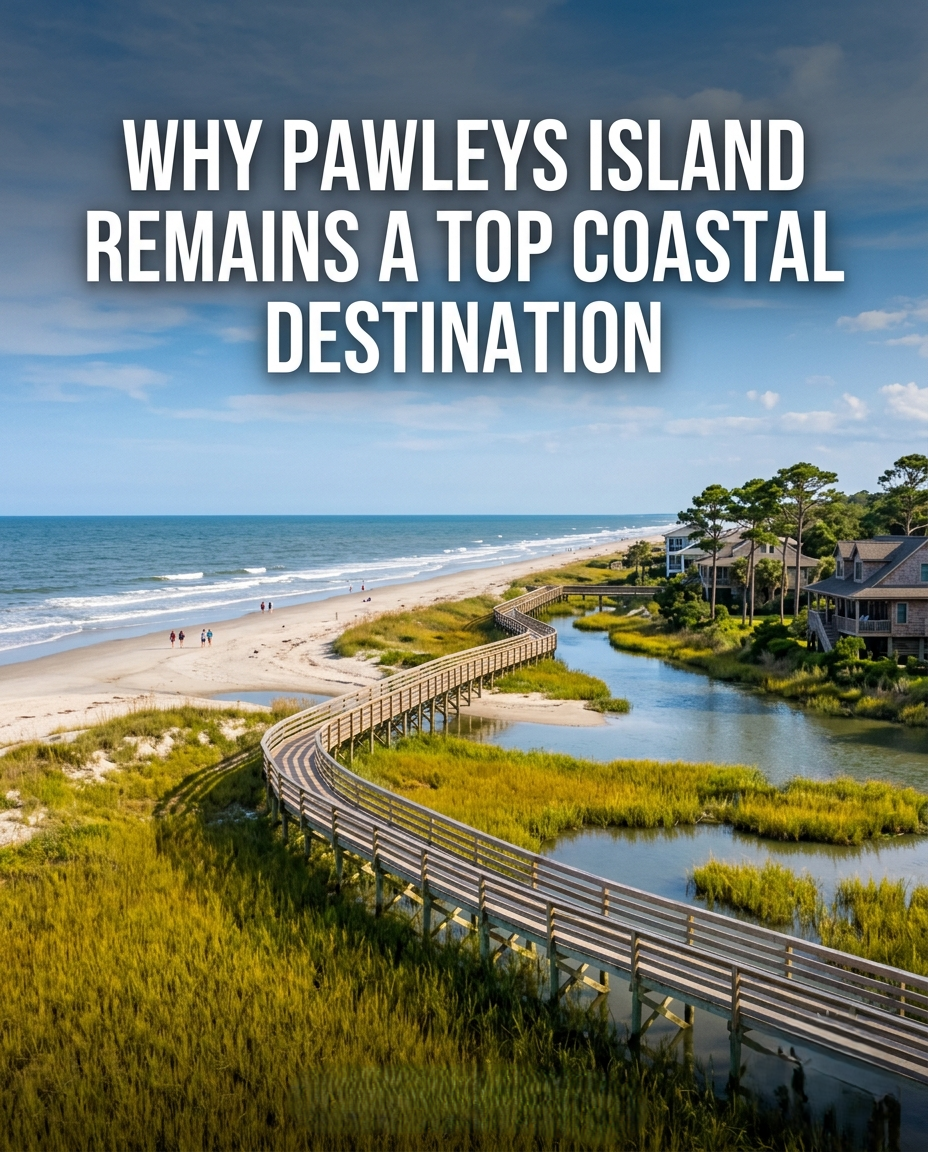
There’s a reason families have been returning to Pawleys Island for generations. The island has refused to become anything other than what it is — a quiet stretch of coast with weathered cottages, marsh views, and a pace that hasn’t tried to match the rest of the Grand Strand. It’s been called the “arrogantly shabby” coast for a long time, and that nickname still fits in the best possible way.

For buyers shopping the South Carolina coast, Pawleys Island is one of the few places that has managed to stay true to itself even as the wider region has grown. That alone is part of the answer to why it remains a top coastal destination — but it’s not the only reason.

A Coastal Lifestyle That Hasn’t Been Watered Down

The island itself is narrow, low, and dotted with raised beach houses that have been in the same families for decades. You won’t find high-rise condos or chain restaurants right on the beach. You will find tidal creeks, hammock shops, oyster roasts, and a kind of slow-rolling Lowcountry rhythm that buyers from busier markets describe almost the same way: it feels like exhaling.

The town extends well off the island proper, with neighborhoods set among live oaks, marsh, and golf course corridors. That gives buyers options across a range of lifestyles and budgets without giving up the Pawleys identity.

Communities Worth Knowing

The Pawleys Island market is really a collection of distinct communities, each with its own character. A few worth highlighting:

Heritage Plantation

Heritage Plantation is a gated community along the Waccamaw River, home to the well-known Heritage Golf Club. It’s the kind of neighborhood that appeals to buyers who want luxury and privacy without trading away natural beauty — mature trees, river views, and a real sense of place.

Hagley Estates

Hagley Estates leans more toward the relaxed, unhurried Pawleys vibe. The price range is wide here — from solid mid-market homes to waterfront properties — and there’s no rigid uniformity, which is part of what longtime buyers like.

The Cottages at Pawleys Island

The Cottages at Pawleys Island is a more established planned community with a mix of original homes and newer construction. It’s a good fit for buyers who want a low-maintenance, walkable neighborhood feel without giving up the Pawleys location.

The Enclave

The Enclave is a Lennar community offering newer construction with upscale amenities — a different feel from the older island cottages, and a strong option for buyers prioritizing new builds and modern layouts.

Litchfield Beach

A short hop north, the Litchfield Beach area gives buyers a true beach-house experience with the same quiet feel that defines this part of the coast.

Pawleys Cove

Pawleys Cove is a smaller community minutes from the Pawleys and Litchfield beaches. It’s a fit for buyers who want simplicity, walkability, and proximity to the water without the maintenance of a true oceanfront home.

Why Pawleys Island Remains a Top Coastal Destination

Understanding Your Buyer Profile

Buyers who land in Pawleys Island tend to fall into a few patterns:

  • Out-of-state buyers, particularly from the Northeast and Mid-Atlantic, looking for a second home or eventual retirement home
  • Buyers stepping out of Charleston-area pricing and finding more home for the same investment
  • Long-time visitors who finally decide to convert a family vacation tradition into ownership
  • Remote-work professionals who want a coastal base year-round

What ties them together is a preference for character over flash. Pawleys Island isn’t the right fit for buyers who want resort-style condo towers or non-stop entertainment — and that’s a feature, not a bug.

Market Conditions in Pawleys Island

The Pawleys Island market has historically been less reactive than the Myrtle Beach proper market. Inventory tends to move at a different rhythm, prices for waterfront and golf-course properties hold value well, and a meaningful share of homes sell through relationships rather than days-on-market velocity.

That doesn’t mean buyers can be slow when something special hits the market. Genuinely strong properties — clean inspections, well-priced, in the right location — still move quickly. The trick is knowing which homes are priced realistically and which are priced based on what the seller wishes the property were worth.

Lifestyle and Community Appeal

Daily life in Pawleys Island has a different texture than the rest of the Grand Strand:

  • Golf is woven into the fabric here, from Heritage to Caledonia to True Blue.
  • Brookgreen Gardens, just north, draws people year-round.
  • Local restaurants stay genuinely local — the chain creep has largely been kept at bay.
  • The beach itself is quieter than anything north of Murrells Inlet, which is exactly why beach families keep coming back.

For buyers who plan to stay year-round, the surrounding Georgetown County infrastructure is worth understanding — schools, healthcare, and shopping are accessible but not on top of you. That suits some buyers perfectly and feels limiting to others. It’s a conversation worth having upfront.

Practical Considerations

Coastal ownership in Pawleys comes with the usual realities:

  • Flood zones and elevation matter, especially on the island itself.
  • Wind and flood insurance can vary meaningfully from one property to the next, even within the same community.
  • Older island cottages may need more maintenance, but they also tend to hold their character — and value — over time.
  • HOA structures vary widely, from minimal in older neighborhoods to robust in newer planned communities.

A good local agent and a strong inspector will save you a lot of stress here. Pawleys rewards the patient buyer who knows what to look for.

Strategy for Buyers

Decide first what kind of Pawleys you want. The island itself is one thing — raised homes, tidal creeks, walking-distance ocean. The mainland communities offer a different experience entirely. Both are valid, both fit different lifestyles, and the worst outcome is buying the wrong one because you didn’t separate the two in your mind early.

If you’re buying for the long term, weight architectural integrity, lot quality, and view as heavily as square footage. Those are the elements that drive resale on this stretch of coast.

Key Takeaways

  • Pawleys Island has preserved its character in a way few coastal markets have.
  • Communities range from gated golf neighborhoods to island cottages to newer planned developments.
  • Buyers are drawn from the Northeast, Charleston area, and longtime visitors converting to ownership.
  • The market rewards patience and quality — strong properties hold value through cycles.
  • Flood, insurance, and HOA homework is non-negotiable for any Pawleys purchase.

About Greg Harrelson

Greg Harrelson is a seasoned Realtor® with more than 30 years of experience serving the Myrtle Beach and Grand Strand markets. As the founder of Century 21 The Harrelson Group, Greg has built his career helping buyers, sellers, and investors achieve success in every corner of the coastal Carolina real estate market. His expertise spans residential homes, investment properties, land development, and coastal condos. Known for his deep local knowledge, innovative marketing strategies, and commitment to personal service, Greg consistently helps clients reach their real estate goals while navigating the ever-changing market with confidence and precision.
June 15, 2026

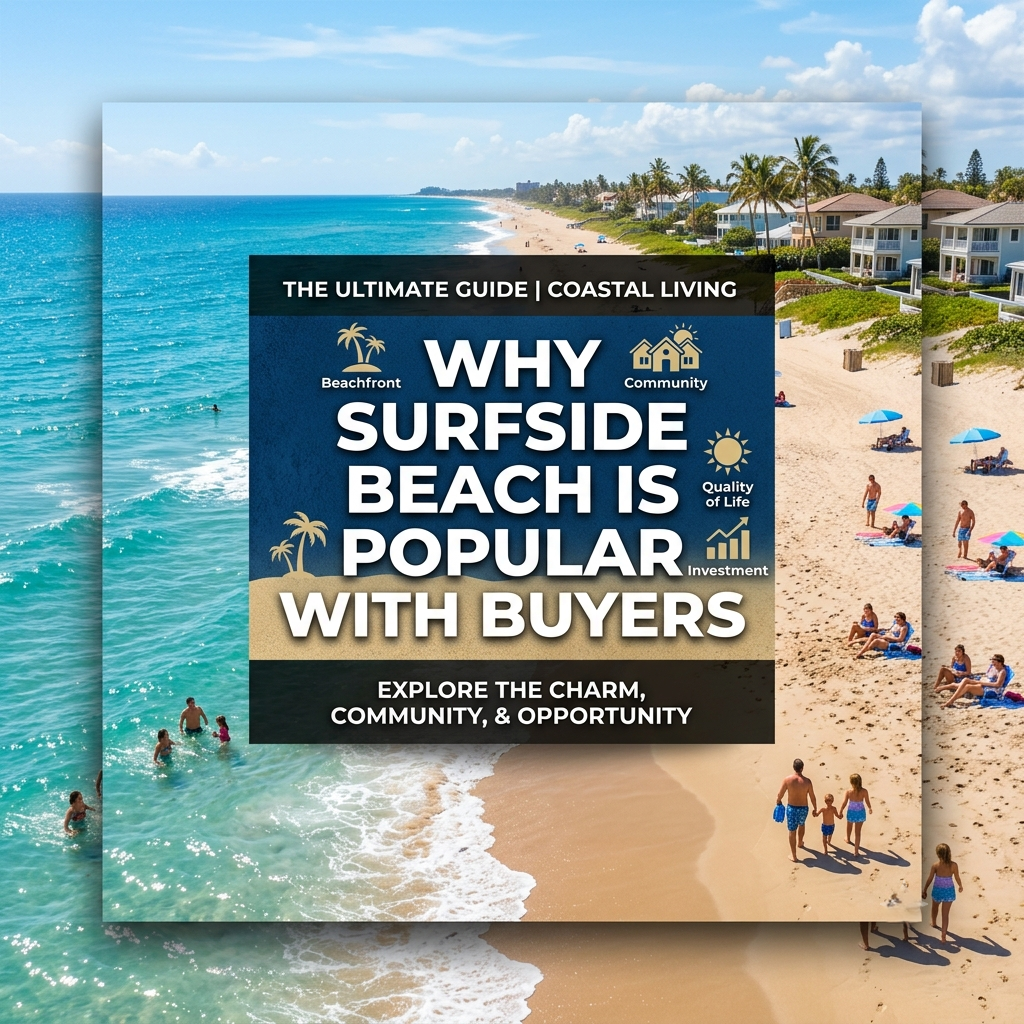
Why Surfside Beach Is Popular With Buyers

Surfside Beach has quietly evolved into one of the most-requested communities along the Grand Strand. Known as The Family Beach, this small coastal town has built its identity around a slower, more relaxed pace than the bustling Myrtle Beach core a few miles north. Buyers searching for Surfside Beach real estate are usually looking for a specific combination of values: walkable beach access, a hometown atmosphere, and home choices that feel personal rather than corporate.

The interest in Surfside Beach is not seasonal hype. It has been steady for years and continues to grow as more buyers want a coastal lifestyle without the high-rise pace, traffic, and tourist density of larger beach destinations.

The Surfside Beach Personality

What makes Surfside Beach feel different from the rest of the Grand Strand is its commitment to staying compact and approachable. Buildings stay low, blocks stay small, and the town avoids the high-rise oceanfront skyline that defines parts of Myrtle Beach. The result is a beach experience that feels closer to a traditional coastal town than a resort destination.

The Family Beach Reputation

Surfside Beach has officially branded itself The Family Beach, and the local culture reflects that. The boardwalk, the pier, and the surrounding streets are designed for relaxed family days, not packed-in tourism. That reputation is one of the main reasons retirees and second-home buyers feel comfortable here. It is a place where neighbors know each other and where the off-season feels just as inviting as the summer.

The Pier and Town Center

The Surfside Beach pier sits at the center of the town's coastal identity. Local restaurants, ice cream shops, and small storefronts cluster within easy walking distance, giving residents and visitors a real downtown feel along the coast. This walkable hub is one of the strongest selling points for buyers shopping in this area.

Walkable Coastal Layout

Surfside Beach is laid out in a way that supports daily walks and bike rides. Numbered avenues run from the beach inland in tidy blocks, and street parking, sidewalks, and beach accesses are spread evenly across the town. Buyers do not need to live oceanfront to enjoy a daily walk to the sand, which broadens the buyer pool and supports steady demand across price points.

Who Is Buying in Surfside Beach

Retirees

Retirees love Surfside Beach because it offers everything they need within a small, friendly footprint. Daily walks, restaurants, healthcare access nearby, and a low-key social pace create the kind of coastal retirement many buyers picture when they first start looking. The town's mix of single-family homes and condos lets retirees right-size at the level that matches their lifestyle.

Second-Home Buyers

For families looking for a second home along the coast, Surfside Beach is one of the best fits in the region. The town is large enough to support amenities but small enough to feel like an escape. Owners can return every season and still feel like they are visiting somewhere quieter than the main Myrtle Beach corridor.

Investors

Surfside Beach also attracts investors who want a vacation rental in a market with strong, sustained guest interest. Properties near the pier, in the numbered avenues, and along Ocean Boulevard tend to perform well. Rental rules vary by street and by HOA, so investors should confirm short-term rental eligibility before buying.

Full-Time Residents

More buyers are choosing Surfside Beach as a year-round home. The schools, walkability, neighborhood feel, and access to Myrtle Beach amenities support a full-time lifestyle without the busy energy that comes with living in a larger tourist hub.

Why Surfside Beach Is Popular With Buyers

Market Conditions in Surfside Beach

Demand for Surfside Beach homes has remained steady even when other Grand Strand markets have fluctuated. Limited inventory, especially close to the beach, helps protect long-term value. Single-family homes in the numbered avenues continue to attract competitive offers when they are well priced, and condo demand stays strong in the small to mid-size buildings that fit the town's character.

Buyers should expect price variation by block. Properties east of Highway 17 Business sit closer to the beach and tend to command higher prices, while properties west of the highway offer more space and value while still being a short drive from the sand.

Home Features That Matter in Surfside Beach

The most desirable Surfside Beach properties tend to share a few key features: short walks to the beach, elevated construction or modern flood-resilient design, easy outdoor living, and low-maintenance exteriors that handle salt air well. Garage parking, golf cart storage, and reliable HVAC systems are also high-value features that many buyers underestimate until they live here full-time.

Costs and Practical Considerations

Coastal ownership in Surfside Beach comes with real-world factors buyers should plan for. Wind, hail, and flood insurance vary by location and elevation. Some streets sit in higher-risk flood zones, which can affect both insurance premiums and resale value. Property taxes are reasonable, but non-primary residence rates apply to second-home buyers. HOA fees vary widely depending on whether the home is part of a planned community or a small condo building, so each property should be evaluated individually.

Strategy for Buyers

The most effective strategy in Surfside Beach is to define lifestyle priorities before chasing listings. Walking to the pier, owning a single-family home, finding a low-maintenance condo, or running a vacation rental all point toward different streets and price points. Once those priorities are clear, working with a local agent who knows Surfside Beach block-by-block becomes the key to making confident decisions. Properties move quickly here, and buyers benefit from being prepared with financing and a clear sense of what they want.

Key Takeaways

Surfside Beach is popular with buyers because it offers a coastal lifestyle that feels personal, walkable, and rooted in a true community identity. The town's family-friendly reputation, walkable layout, and balanced mix of single-family homes and condos appeal to retirees, second-home buyers, investors, and full-time residents alike. Demand stays steady because the town protects its character, limits high-rise growth, and continues to deliver the kind of beach lifestyle that buyers across the country are increasingly looking for. With smart planning, local guidance, and a clear sense of priorities, buying in Surfside Beach can be one of the most rewarding coastal real estate decisions on the Grand Strand.

About Greg Harrelson

Greg Harrelson is a seasoned Realtor® with more than 30 years of experience serving the Myrtle Beach and Grand Strand markets. As the founder of Century 21 The Harrelson Group, Greg has built his career helping buyers, sellers, and investors achieve success in every corner of the coastal Carolina real estate market. His expertise spans residential homes, investment properties, land development, and coastal condos. Known for his deep local knowledge, innovative marketing strategies, and commitment to personal service, Greg consistently helps clients reach their real estate goals while navigating the ever-changing market with confidence and precision.
June 12, 2026

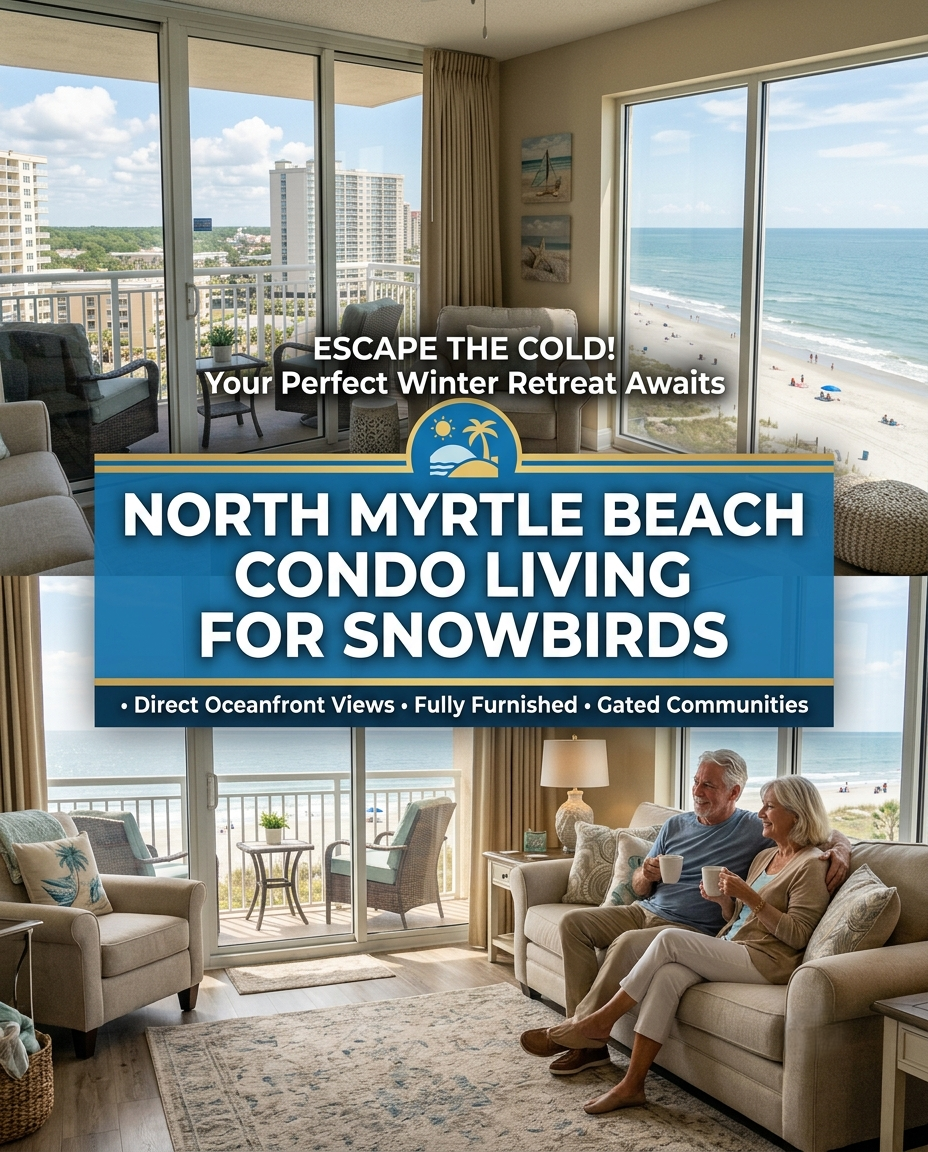
North Myrtle Beach Condo Living for Snowbirds

Why Snowbirds Are Drawn to North Myrtle Beach Condos

For decades, snowbirds have looked at North Myrtle Beach as one of the most comfortable, affordable, and easy-to-enjoy winter destinations on the East Coast. The combination of mild winters, oceanfront living, walkable beach neighborhoods, and a strong supply of condos makes this stretch of the Grand Strand an ideal fit for buyers who want to escape northern winters without committing to a full-time relocation.

Condo living, in particular, tends to be the natural choice for snowbird buyers. It removes most of the maintenance headaches that come with leaving a property empty for half the year, and it puts owners closer to the beach, restaurants, and seasonal events than many single-family neighborhoods.

What Snowbirds Look For in a North Myrtle Beach Condo

Lock-and-Leave Convenience

The number one priority for most snowbird buyers is the ability to leave the property in spring and return in the fall with confidence. That means a condo building with reliable management, secure entry points, dependable HVAC, and consistent landscaping. Buyers should ask about how the property is monitored during the off-season and whether the HOA arranges things like pest control, exterior cleaning, and storm preparation.

Walkability to the Beach, Dining, and Errands

Snowbirds want their time in North Myrtle Beach to feel like vacation, which usually means short walks to the sand, the local restaurants, and the small shops along Main Street and Ocean Boulevard. Oceanfront and oceanview buildings make this easy, but interior buildings within a few blocks of the beach can offer strong walkability at a lower price point.

Reasonable HOA Fees and Strong Reserves

HOA fees vary widely depending on building size, amenities, and oceanfront access. Some snowbirds are happy to pay more for full-service oceanfront buildings, while others prefer modest fees in smaller buildings. Either way, the key is understanding what the fee includes and whether the HOA has healthy reserves to cover roofing, balconies, elevators, and storm-related expenses. A condo with low fees but underfunded reserves can become an expensive surprise.

Best North Myrtle Beach Areas for Snowbird Condo Buyers

Cherry Grove

Cherry Grove sits at the northern tip of North Myrtle Beach and offers a quieter, family-friendly feel. Snowbirds love the marsh and channel views, the famous fishing pier, and the relaxed pace. Many condos here are oceanfront or just one block off the beach, with rental potential during the off-season for owners who want help offsetting costs.

Ocean Drive Beach

Ocean Drive, sometimes simply called O.D., is the cultural heart of North Myrtle Beach and home to Main Street, the shag dancing scene, and a long list of restaurants. Condo buyers who want to walk to dinner, live music, and the beach in the same evening tend to gravitate here. The mix of older mid-rise buildings and newer construction creates a wide range of price points.

Crescent Beach and Windy Hill

Crescent Beach and Windy Hill offer a quieter, more residential coastal feel while still being within easy reach of dining and grocery stores. Many snowbirds choose these neighborhoods because the buildings feel less hectic in season, the beach is wider in spots, and the layout is friendly for daily walks. Buyers should look closely at parking, elevator capacity, and oceanfront exposure when comparing buildings here.

Barefoot Resort

For snowbirds who care about golf, resort amenities, and a planned-community lifestyle, Barefoot Resort offers a different style of living. Condos here are typically inland with golf and waterway views rather than direct beachfront, but the community amenities, dining options, and golf access make it a strong fit for buyers who do not need to be steps from the sand. You can browse North Myrtle Beach real estate listings to compare condos across these neighborhoods.

Costs and Practical Considerations

Snowbird condo ownership comes with some unique costs that buyers from inland markets are not always prepared for. Coastal humidity affects HVAC systems and interior finishes faster than a typical inland home, and oceanfront buildings face salt-air exposure that drives up maintenance costs over time. Insurance is another major factor. Wind, hail, and flood coverage all need to be considered, and condo unit policies should be reviewed alongside the master policy to be sure there are no gaps.

Property taxes in Horry County remain relatively low for primary residents but are higher for second-home owners, so snowbirds should factor in the non-primary tax rate when running numbers. Short-term rental rules vary building by building and street by street, so anyone planning to rent the condo while away should confirm restrictions before making an offer.  

North Myrtle Beach Condo Living for Snowbirds

Strategy for Buyers

Smart snowbird buyers start with lifestyle goals before they start with price. Once you know how you want to spend your winters, the right condo profile becomes much clearer. From there, build a short list of buildings rather than units. Within a single building, units can be similar, but the difference between two buildings, even across the street, can be significant when it comes to fees, reserves, rental rules, and noise.

Working with a local real estate professional who understands North Myrtle Beach condo buildings unit-by-unit can save snowbird buyers time, money, and stress. The right agent will know which buildings are well managed, which have healthy reserves, and which are best suited to a seasonal owner who values peace of mind.

Key Takeaways

  • North Myrtle Beach condos offer snowbirds easy maintenance, beach access, and a strong lifestyle fit
  • Lock-and-leave convenience, walkability, and HOA reserve health are the top priorities to evaluate
  • Cherry Grove, Ocean Drive, Crescent Beach, Windy Hill, and Barefoot Resort each suit a different snowbird buyer
  • Coastal humidity, salt-air exposure, and second-home tax rates affect long-term cost of ownership
  • Always confirm short-term rental rules building-by-building before buying for seasonal rental income

Frequently Asked Questions

How much are HOA fees for a typical North Myrtle Beach condo?

HOA fees in North Myrtle Beach vary widely. Smaller interior buildings can have monthly fees in the lower range, while large oceanfront buildings with pools, elevators, and full amenities often run significantly higher. Always review what the fee includes and ask about reserve health before judging whether a fee is reasonable.

Can I rent out my snowbird condo when I am not using it?

In many North Myrtle Beach buildings, short-term and seasonal rentals are allowed and can help offset ownership costs. However, some buildings restrict rental length, require minimum stays, or limit rentals entirely. Confirm the rental rules with the HOA in writing before making an offer if rental income is part of your plan.

Is flood insurance required for North Myrtle Beach condos?

Flood insurance requirements depend on the building's flood zone and your lender. Many oceanfront and oceanview condos sit in zones where flood coverage is recommended or required. Master condo policies and individual unit policies should be reviewed together so coverage gaps do not appear after a storm.

When is the best time of year to buy a snowbird condo?

Many snowbirds shop in late spring and summer when more buildings have inventory and they have time to evaluate options before the season. Off-season shopping in summer or late fall can also work well because buyers can tour quickly and prepare the unit for the upcoming winter without rushing.

About Greg Harrelson

Greg Harrelson is a seasoned Realtor® with more than 30 years of experience serving the Myrtle Beach and Grand Strand markets. As the founder of Century 21 The Harrelson Group, Greg has built his career helping buyers, sellers, and investors achieve success in every corner of the coastal Carolina real estate market. His expertise spans residential homes, investment properties, land development, and coastal condos. Known for his deep local knowledge, innovative marketing strategies, and commitment to personal service, Greg consistently helps clients reach their real estate goals while navigating the ever-changing market with confidence and precision.
June 11, 2026

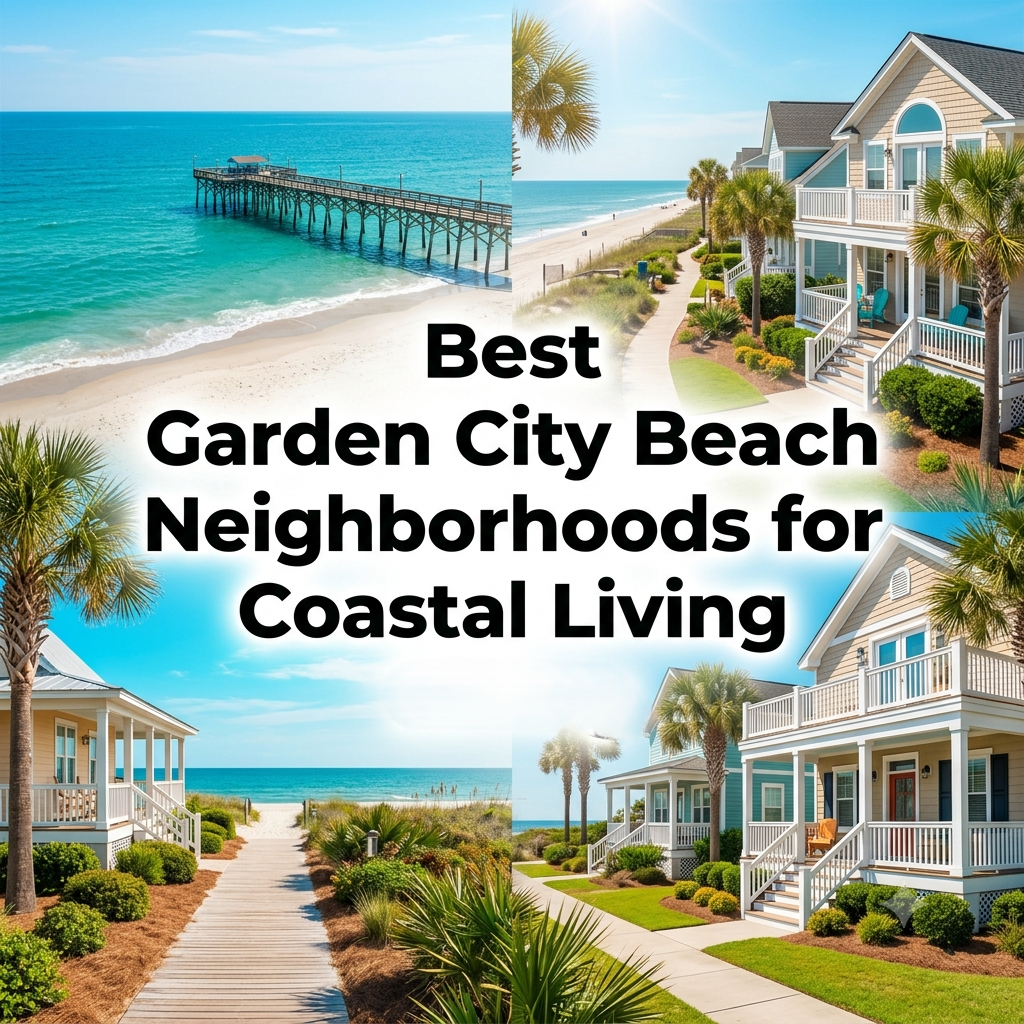
Best Garden City Beach Neighborhoods for Coastal Living

Why Garden City Beach Stands Out on the Grand Strand

Garden City Beach has a personality of its own. It sits between the busier energy of Myrtle Beach and the slower pace of Murrells Inlet, and that middle-ground feel is exactly what brings buyers here year after year. The crowds thin out, the streets calm down, and the beach still has that classic Carolina coastal vibe — wooden walkovers, low-slung beach houses, and the pier as the unmistakable center of town.

For buyers looking at coastal living in Garden City Beach, the question usually isn’t whether they want to be here. It’s which pocket of Garden City fits their lifestyle. Some folks want oceanfront. Some want a creek view and a boat lift. Some just want a tidy single-family home a short golf-cart ride from the sand. The good news is Garden City Beach has a neighborhood for nearly every version of that dream.

Neighborhoods Near the Ocean and the Pier

Properties closest to the Atlantic — especially along Waccamaw Drive — give you the full beach experience. You’ll find a mix of older raised beach houses, mid-century cottages that have been updated over the years, and a strong selection of oceanfront condo buildings. Buyers who want to walk to the pier, grab breakfast at one of the local spots, and be on the sand in under a minute usually land here.

For the Garden City Beach houses market specifically, expect a wide range — from primary residences to vacation rentals that produce strong income during the summer season. Rental potential is one of the big drivers near the pier, so if you’re looking for a second home that can pay for itself part of the year, this stretch is worth a serious look.

Established Single-Family Communities

Step a few blocks off the ocean and the feel changes quickly. You’re still close enough to walk or ride a cart to the beach, but homes get a little larger, lots open up, and HOA fees stay reasonable.

Salters Cove

Salters Cove is one of the most established neighborhoods in Garden City. It’s a natural-gas community, which surprises some out-of-state buyers in a coastal market. Homes here tend to be well-maintained single-family properties with mature landscaping. The community has a pool, tennis courts, and the kind of long-time-resident feel that doesn’t happen overnight.

Jamestowne Colony

Jamestowne Colony appeals to buyers who want something a little quieter, with character-driven homes and a community feel without the constant in-and-out of vacation rentals. It’s a good middle option for full-time residents and snowbirds who want a low-key base on the coast.

Best Garden City Beach Neighborhoods for Coastal Living

Inlet-Side and Waterway Properties

A different kind of buyer is drawn to the south end of Garden City, where the creek, the inlet, and the marsh take over. This is where you find boat docks, raised homes with long water views, and properties that lean more toward fishermen, boaters, and folks who don’t need the ocean to be in their front yard.

Inlet Pointe is a popular condo option here. The inlet-side communities give you a softer pace than the oceanfront stretch and tend to attract a slightly older, year-round-leaning crowd.

Condo Communities for Easy Coastal Ownership

Not every buyer wants a yard to maintain or shutters to put up before a tropical system. Condos make a lot of sense in Garden City Beach for that reason, and the building options stretch from the oceanfront tower experience to smaller, lower-density buildings tucked off Waccamaw Drive.

Buyers I work with often weigh:

  • HOA and condo fees, and what they cover (insurance, exterior, amenities)
  • Short-term rental rules, which vary by building
  • Age of the building and recent reserve studies
  • Stair vs. elevator access, especially for second-home buyers planning to be here in their 70s and 80s

A building like Waters Edge Resort is a good example of the oceanfront condo experience — direct beach access, amenities on site, and a building that buyers know and recognize from rental sites. That recognition matters if rental income is part of your plan.

Lifestyle and Practical Considerations

Coastal living in Garden City Beach is genuinely walkable in a way that surprises buyers from larger metros. You can leave the car parked for an entire weekend if you want. The pier, restaurants, ice cream shops, and beach access points are all within a tight geographic footprint.

A few practical things to keep in mind:

  • Salt air and humidity are tougher on HVAC, roofs, and exterior finishes than buyers expect. Plan on more frequent maintenance than you’re used to inland.
  • Flood zones and elevation certificates matter here. Two homes a block apart can have very different insurance pictures.
  • Storm preparedness is part of life on the South Carolina coast. The good news is most experienced builders and HOAs in Garden City Beach know how to handle it.

Strategy for Buyers in Garden City Beach

If you’re shopping for a primary residence, look at the established inland-side neighborhoods like Salters Cove and Jamestowne Colony. If you want a vacation home with rental income, focus on the oceanfront and pier-area properties. If you want a quieter base with water access for a boat, look at the inlet side.

Don’t skip the inspection — and don’t skip the wind mitigation review on older raised homes. The right Garden City Beach home is the one that fits both your lifestyle today and how you’ll actually use the property five and ten years from now.

Key Takeaways

Garden City Beach offers a coastal lifestyle that bridges the gap between Myrtle Beach’s pace and Pawleys Island’s quiet. Oceanfront streets near the pier suit buyers who want walkability and rental income. Established communities like Salters Cove and Jamestowne Colony are stronger fits for full-time residents and snowbirds. The inlet side appeals to boaters and buyers who prefer marsh views over surf. Across the board, paying attention to flood zones, insurance, and HOA structures is what separates a smooth purchase from a stressful one — and it’s where a local agent earns their keep.

About Greg Harrelson

Greg Harrelson is a seasoned Realtor® with more than 30 years of experience serving the Myrtle Beach and Grand Strand markets. As the founder of Century 21 The Harrelson Group, Greg has built his career helping buyers, sellers, and investors achieve success in every corner of the coastal Carolina real estate market. His expertise spans residential homes, investment properties, land development, and coastal condos. Known for his deep local knowledge, innovative marketing strategies, and commitment to personal service, Greg consistently helps clients reach their real estate goals while navigating the ever-changing market with confidence and precision.
June 10, 2026

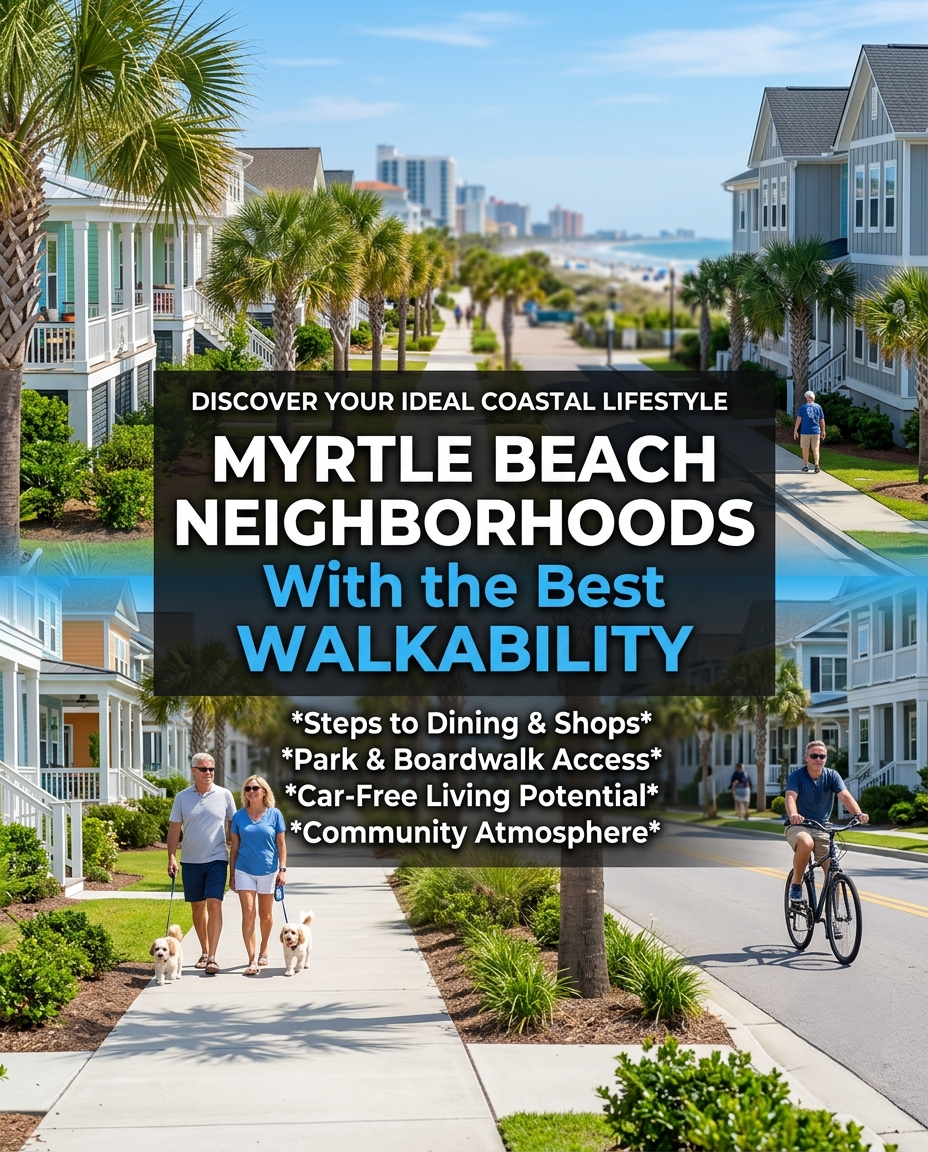
Myrtle Beach Neighborhoods With the Best Walkability

Walkability in Myrtle Beach: What It Really Means

Myrtle Beach is known for sunshine, sand, and a laid-back coastal pace, but more and more buyers are asking a very practical question before they choose a neighborhood: how easy is it to live here without constantly getting in the car? Walkability has quietly become one of the top factors for retirees, second-home buyers, remote workers, and families looking at homes for sale in Myrtle Beach, SC.

Walkability along the Grand Strand does not look the way it does in a major metro. You will not find a dense urban grid stretching for miles. What you will find are pockets of neighborhoods built around sidewalks, small commercial nodes, parks, and easy beach access. Knowing where those pockets are makes all the difference.

Why Walkability Matters in a Coastal Market

For many buyers, walkability ties directly to lifestyle. Retirees want to walk to dinner, coffee, or the beach without dealing with seasonal traffic. Vacation-home owners want a property that feels like a getaway the moment they park. Full-time residents enjoy the savings, the daily exercise, and the simple community connection a walkable neighborhood encourages.

There is also a resale benefit. Walkable neighborhoods in Myrtle Beach tend to hold value because they appeal to a broad mix of buyers, including locals, snowbirds, investors, and remote workers. When a property is steps away from a beach access, a restaurant, or a grocery store, there is built-in demand that supports long-term value.  

Myrtle Beach Neighborhoods With the Best Walkability

Top Walkable Neighborhoods in Myrtle Beach

Market Common

Few places in Myrtle Beach are as walkable as Market Common. Built around a pedestrian-friendly town center, this area packs shopping, dining, fitness studios, parks, entertainment, and event spaces into a tight footprint. Single-family homes, townhomes, and condos sit just blocks from restaurants, walking trails, and seasonal community events.

What makes Market Common stand out is the mix of housing. Low-maintenance townhomes near the action, traditional single-family homes a few blocks back, and condos for snowbirds who want a lock-and-leave lifestyle all coexist within walking distance of the same restaurants and shops.

Downtown Myrtle Beach and the Boardwalk Area

The historic downtown and Boardwalk corridor delivers a very different walkable experience. Buyers here are usually drawn to oceanfront condos within steps of the SkyWheel, the boardwalk, the pier, and a long stretch of restaurants and shops along Ocean Boulevard. For investors, this is one of the strongest vacation rental zones in Myrtle Beach because guests can park once and enjoy their whole stay on foot.

Single-family homes on the streets just inland of Ocean Boulevard can also offer solid walkability with sidewalks and bike-friendly routes connecting homes to local cafes, ice cream stops, and beach accesses. Rental rules vary by block and by condo building, so always confirm short-term rental eligibility before buying for income.

The Highlands at Withers Preserve

Just outside the Market Common core, The Highlands at Withers Preserve offers a more residential feel with strong walkability into the Market Common town center. Many homes here are newer, with sidewalks, mature landscaping, and easy access to the lake loop trail. For buyers who want a true neighborhood feel but still want to walk to dinner, this is one of the most balanced choices in Myrtle Beach.

The Sanctuary at Withers Preserve

Another strong option inside the Withers Preserve footprint is The Sanctuary at Withers Preserve. The community blends a quieter, residential setting with the same easy walking and biking access into the Market Common shops and restaurants. Buyers who want a tucked-away feel without sacrificing daily walkability tend to gravitate here.

State Park and Springmaid Beach Area

The southern stretch near Myrtle Beach State Park offers a quieter, more natural take on walkability. Buyers here can reach the state park, beach access points, and small shopping plazas without long drives. The pace is calmer than downtown but still gives owners a walkable feel near the coast.

Practical Considerations Before You Buy

Walkability is great, but coastal Myrtle Beach has its own real-world factors to weigh:

  • Summer heat and humidity make midday walks tough, so tree cover and shaded sidewalks matter
  • HOA fees in lifestyle communities like Market Common tend to run higher because amenities are part of the appeal
  • Flood zones along the coast can affect insurance costs even in walkable areas
  • Vacation rental rules differ block by block, especially in downtown and oceanfront corridors
  • Foot traffic increases dramatically in season near the boardwalk and Ocean Boulevard

None of these are deal breakers, but they help frame realistic expectations for daily living.

Strategy for Buyers

If walkability is high on your list, start by defining how you actually plan to use it. Walking to dinner, walking to the beach, and walking to a coffee shop each point you toward a different neighborhood. Retirees often gravitate toward Market Common and the Withers Preserve communities for everyday convenience. Investors lean toward downtown and the Boardwalk corridor for guest experience. Second-home buyers often look at the Springmaid and state park areas for quieter beach access.

Work with an agent who knows the rhythm of each area, not just the listing data. Walking-distance language on a search portal can be misleading, so local familiarity matters when it comes to walkable Myrtle Beach real estate.

Key Takeaways

Walkability in Myrtle Beach is more than a checkbox on a listing. It is a lifestyle factor that shapes daily living, resale value, and rental appeal. Market Common offers the most complete walkable experience for everyday life, while the downtown and Boardwalk area delivers a vacation-style walkable lifestyle. Neighborhoods like The Highlands at Withers Preserve, The Sanctuary at Withers Preserve, and the streets near Myrtle Beach State Park add quieter, more residential walkable options. Buyers should weigh HOA fees, flood considerations, and seasonal foot traffic alongside the walkability appeal and lean on local expertise to match the right neighborhood to the right lifestyle.

About Greg Harrelson

Greg Harrelson is a seasoned Realtor® with more than 30 years of experience serving the Myrtle Beach and Grand Strand markets. As the founder of Century 21 The Harrelson Group, Greg has built his career helping buyers, sellers, and investors achieve success in every corner of the coastal Carolina real estate market. His expertise spans residential homes, investment properties, land development, and coastal condos. Known for his deep local knowledge, innovative marketing strategies, and commitment to personal service, Greg consistently helps clients reach their real estate goals while navigating the ever-changing market with confidence and precision.

June 9, 2026

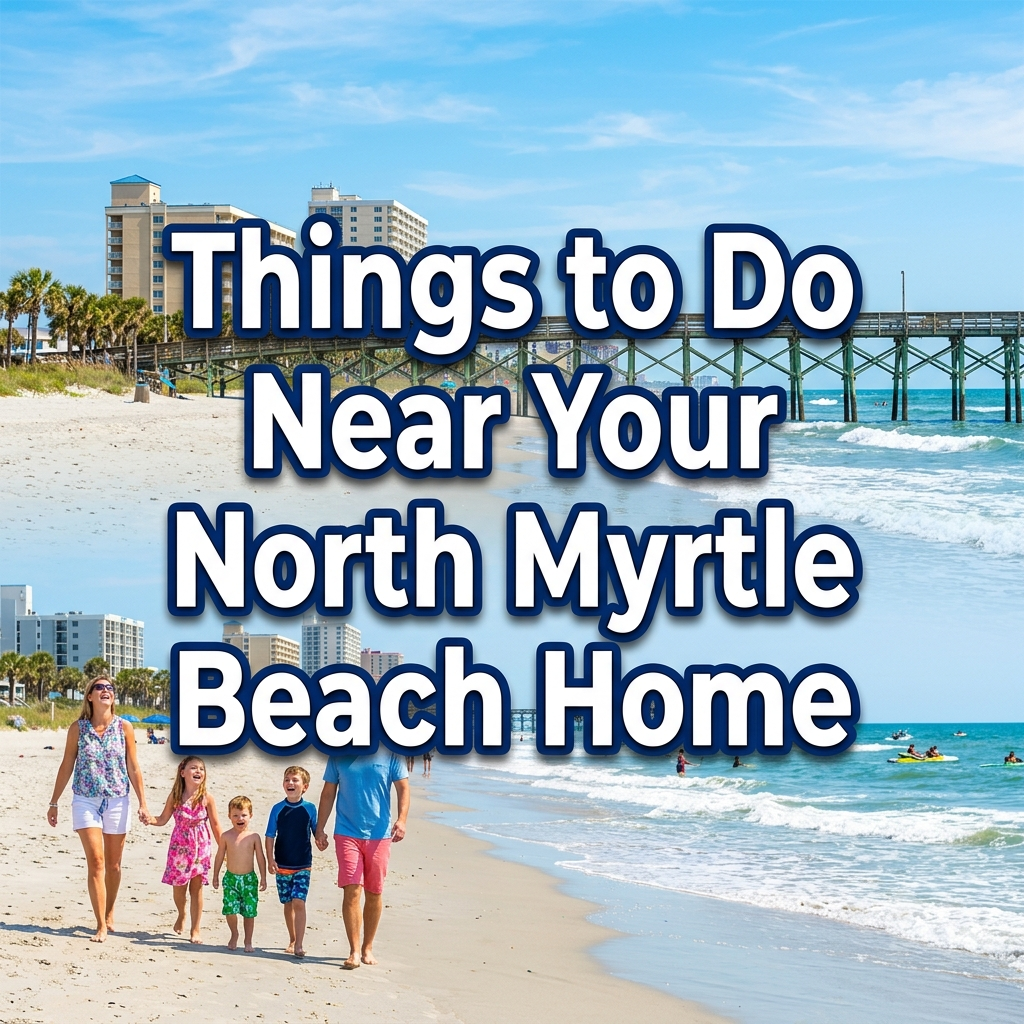
Things to Do Near Your North Myrtle Beach Home

One of the best things about owning a home in North Myrtle Beach is how much there is to do without ever traveling far. From beach mornings to live music evenings, golf afternoons to weekend boat trips, the area delivers a lifestyle that keeps residents and visitors happy year after year. For new buyers and longtime owners alike, knowing what is just minutes from your front door makes everyday life feel more like a vacation. North Myrtle Beach consistently rewards homeowners with a calendar full of options.

Beach and Outdoor Adventures

The Beach Itself

The beach is the heart of everything. Long, wide stretches of sand make it easy to walk for hours, find a quiet spot, or join the crowd. Sunrises over the Atlantic, late-day shell hunting, surf fishing, and family time on the sand are part of nearly every day for many residents.

Cherry Grove Channels and Marsh Areas

The tidal channels of Cherry Grove are perfect for kayaking, paddleboarding, fishing, and watching wildlife. The marshes around North Myrtle Beach are home to birds, dolphins, and other coastal wildlife. Many homeowners say these waterways are an underrated reason to live here.

Parks and Greenways

North Myrtle Beach Park and Sports Complex offers fields, playgrounds, walking paths, and event space. McLean Park provides quiet green space near downtown. The North Myrtle Beach Greenway connects parts of the city for walking and biking. Outdoor activity is woven into the fabric of daily life here.

Things to Do Near Your North Myrtle Beach Home

Golf

Golf is one of the defining lifestyle pieces of North Myrtle Beach. Tidewater Plantation, Barefoot Resort, Glen Dornoch, Eagle Nest, and many other championship courses are all within a short drive. The variety of layouts and price points means golfers can play different courses week after week without repeating. Many neighborhoods also have homes that back up to fairways for residents who want golf as part of daily life.

Dining and Nightlife

Casual Beach Eats

From Calabash-style seafood houses to laid-back beach burgers and breakfast spots, North Myrtle Beach is full of casual eateries that locals love. The Sea Captain, Duffys, Hoskins, and many others are part of the everyday fabric.

Fine Dining

Upscale options have grown along with the area, with steakhouses, chef-driven restaurants, and refined seafood spots. Many newer establishments embrace local ingredients and the coastal setting.

Main Street and Live Music

Ocean Drive's Main Street is famous for the Carolina Shag, live music, and a beach-music vibe that draws people in. Shag clubs, casual lounges, and live performance venues keep the area lively year-round.

Boating and Water Sports

The Intracoastal Waterway, the channels of Cherry Grove, and the open Atlantic give boaters easy access to all kinds of experiences. Public boat ramps, private marinas, and rental options at Barefoot Marina and others make it simple to get on the water whether you own a boat or not.

Events and Festivals

The annual SOS Spring Safari, Music on Main, Fourth of July celebrations, holiday parades, art shows, and seasonal markets fill the calendar. Many residents plan their year around favorite events, and visitors often time their stays around them too.

Shopping and Day Trips

Tanger Outlets Center North Myrtle Beach, Barefoot Landing, and Coastal Grand Mall in nearby Myrtle Beach offer plenty of shopping. Day trips are easy too, with Wilmington, North Carolina about ninety minutes north, Charleston about two hours south, and Conway and Pawleys Island within thirty minutes for a change of scenery.

Family and Kid-Friendly Options

Mini golf, water parks, family arcades, the Alligator Adventure attraction, and Barefoot Landing's Alabama Theatre give families plenty of variety. For everyday activities, neighborhood pools, parks, and beach time keep kids and grandkids busy on long visits.

Wellness, Fitness, and Healthcare

Yoga studios, gyms, pickleball clubs, golf fitness centers, and a growing wellness scene support active lifestyles. The presence of major hospital systems and specialty clinics gives residents access to quality healthcare close to home.

How Location Within North Myrtle Beach Matters

Choosing the right neighborhood within North Myrtle Beach shapes which activities are closest. Living in Cherry Grove puts the channels at your door. Living near Ocean Drive puts Main Street within walking distance. Living in Tidewater or Barefoot puts golf and resort amenities a few minutes away. Inland communities west of Highway 17 trade beach proximity for larger lots and more home for the money, while still keeping everything within a short drive.

Final Takeaway

Living in North Myrtle Beach means stepping into a lifestyle that is genuinely full. The beach, the channels, the golf, the dining, the music, the events, the natural beauty, and the welcoming community combine to make this one of the most enjoyable places to call home along the East Coast. Whatever your interests, the area has something for you within minutes of your front door, which is exactly why so many owners describe their time here as the best chapter of their life.

Explore More on Our Site

For more on local communities, properties, and lifestyle, explore North Myrtle Beach real estate, browse Myrtle Beach homes for sale, or view Myrtle Beach condos for sale.

About Greg Harrelson

Greg Harrelson is a seasoned Realtor® with more than 30 years of experience serving the Myrtle Beach and Grand Strand markets. As the founder of Century 21 The Harrelson Group, Greg has built his career helping buyers, sellers, and investors achieve success in every corner of the coastal Carolina real estate market. His expertise spans residential homes, investment properties, land development, and coastal condos. Known for his deep local knowledge, innovative marketing strategies, and commitment to personal service, Greg consistently helps clients reach their real estate goals while navigating the ever-changing market with confidence and precision.