Explore the Myrtle Beach Real Estate Blog

Find exactly what you need, whether you're buying, selling, or just getting to know the Grand Strand.

01

Buying a Home

First-time buyer guides, financing tips, and how to win in the Myrtle Beach market.

02

Selling a Home

Pricing, staging, and the marketing that actually gets coastal homes sold.

03

Lifestyle and Communities

Coastal living, local communities, and what day-to-day life is really like along the Grand Strand.

04

Market Updates

The latest on prices, inventory, and what it means for you.

05

Moving & Relocation

Relocating to the coast? Tips on the move, schools, and settling into the Grand Strand.

06

Offer to Close

Step-by-step guides to buying and selling on the Grand Strand — from your first offer through closing day.

July 13, 2026

Stacey Weaver Earns CRP® — What It Means for Buyers Relocating to Myrtle Beach

A New Level of Relocation Support at Century 21 The Harrelson Group

WERC Relocation CertificateCongratulations to Stacey Weaver of Century 21 The Harrelson Group on earning the Certified Relocation Professional® (CRP®) designation from Worldwide ERC (WERC) after completing the 2026 Spring Exam period. The CRP® is the only credential in the United States that recognizes advanced expertise in talent mobility and relocation, and Stacey joins a small national group of professionals who have earned it.

The bigger news for buyers is what this designation adds to the level of service already available to families and professionals relocating to the Myrtle Beach area. Relocation is not just a transaction. It is a life change, and it works best when the person guiding you knows the process, the paperwork, and the local market at a deeper level than a typical home purchase requires.

What a Certified Relocation Professional® Does

The CRP® designation is earned through years of relocation experience, participation in the professional community, and a rigorous exam covering the full body of relocation knowledge. That includes corporate mobility programs, home marketing and buying assistance, spouse and family transition support, tax and expense management, temporary living, and the coordination that ties all of it together.

For an individual buyer, this expertise translates into a smoother move. For a corporate employee working with a relocation package, it means their agent understands the program on both sides of the paperwork. For a self-relocating family, it means someone in their corner who knows how to move a household, not just a home purchase, across state lines.

Why This Matters for Buyers Relocating to Myrtle Beach

Most buyers moving to the Myrtle Beach area are relocating from out of state. Distance, tight time windows, and unfamiliarity with local neighborhoods all add friction to the search. A CRP®-certified agent removes friction at every step by anticipating what usually goes wrong and building the process around what usually goes right.

The Grand Strand also has its own quirks. Pricing changes street by street and building by building. Coastal insurance has real cost. Short-term rental rules vary block by block. South Carolina is an attorney-closing state. Relocation buyers benefit from working with an agent who understands both the national mobility framework and the local coastal specifics.

The Relocation Journey to the Grand Strand

Deciding Where to Live

The single most important early decision is choosing the right area. Myrtle Beach is a collection of neighborhoods, each with its own pricing patterns and lifestyle. Our guide to what buyers should know before purchasing in Myrtle Beach walks through the neighborhood mindset that relocation buyers benefit from most.

Comparing Communities Across the Grand Strand

Relocation buyers often start with Myrtle Beach as a search term, but many end up choosing a neighboring community that fits better. Our guides to the best North Myrtle Beach neighborhoods for year-round living, what buyers should know about living in Little River, the best Conway neighborhoods for families, and the Georgetown historic district lifestyle help relocation buyers compare communities side by side.

Timing the Move

Relocation timelines rarely line up perfectly. Corporate mobility programs often have report-by dates, families have school-year deadlines, and self-relocating buyers may need temporary housing during the transition. A CRP®-certified agent can coordinate the pieces so the move works within the constraints instead of against them.

Selling Where You Are Now

Most relocation buyers also have a home to sell. Whether that sale happens before, during, or after the Myrtle Beach purchase changes the strategy. Our 7-step home selling process gives relocation buyers a framework they can adapt to their own market, and it helps clarify the questions to ask their listing agent back home.

How the Harrelson Group Team Supports Relocation Buyers

Relocation buyers get the full weight of a Century 21 The Harrelson Group team behind their move. That includes area-by-area local knowledge across Myrtle Beach, North Myrtle Beach, Surfside Beach, Garden City Beach, Little River, Longs, Conway, Aynor, Pawleys Island, and Georgetown, plus experience coordinating with corporate mobility programs, out-of-state lenders, South Carolina closing attorneys, and local inspectors and insurance agents.

With Stacey Weaver's new CRP® designation, that support now includes a nationally recognized level of relocation expertise. Buyers who are relocating for work, retirement, family, or a fresh coastal start can expect the same personal service the Harrelson Group is known for, with an added layer of specialized knowledge behind every step.

Key Takeaways

  • Stacey Weaver of Century 21 The Harrelson Group has earned the Certified Relocation Professional® (CRP®) designation from Worldwide ERC
  • The CRP® is the only credential in the U.S. that recognizes advanced expertise in talent mobility and relocation
  • For buyers relocating to the Myrtle Beach area, a CRP®-certified agent brings expertise in mobility programs, home marketing, family transition, and cross-state coordination
  • Grand Strand quirks like coastal insurance, short-term rental rules, and attorney-based closings all make specialized relocation knowledge especially valuable
  • Existing guides on our site help relocation buyers compare Myrtle Beach, North Myrtle Beach, Little River, Conway, and Georgetown before choosing a neighborhood

Ready to Start Your Move?

If you are thinking about relocating to the Myrtle Beach area, Stacey Weaver and the Century 21 The Harrelson Group team are ready to help. Reach out through our contact page to start a no-obligation conversation about your timeline, your goals, and how we can support your move.
 

July 13, 2026

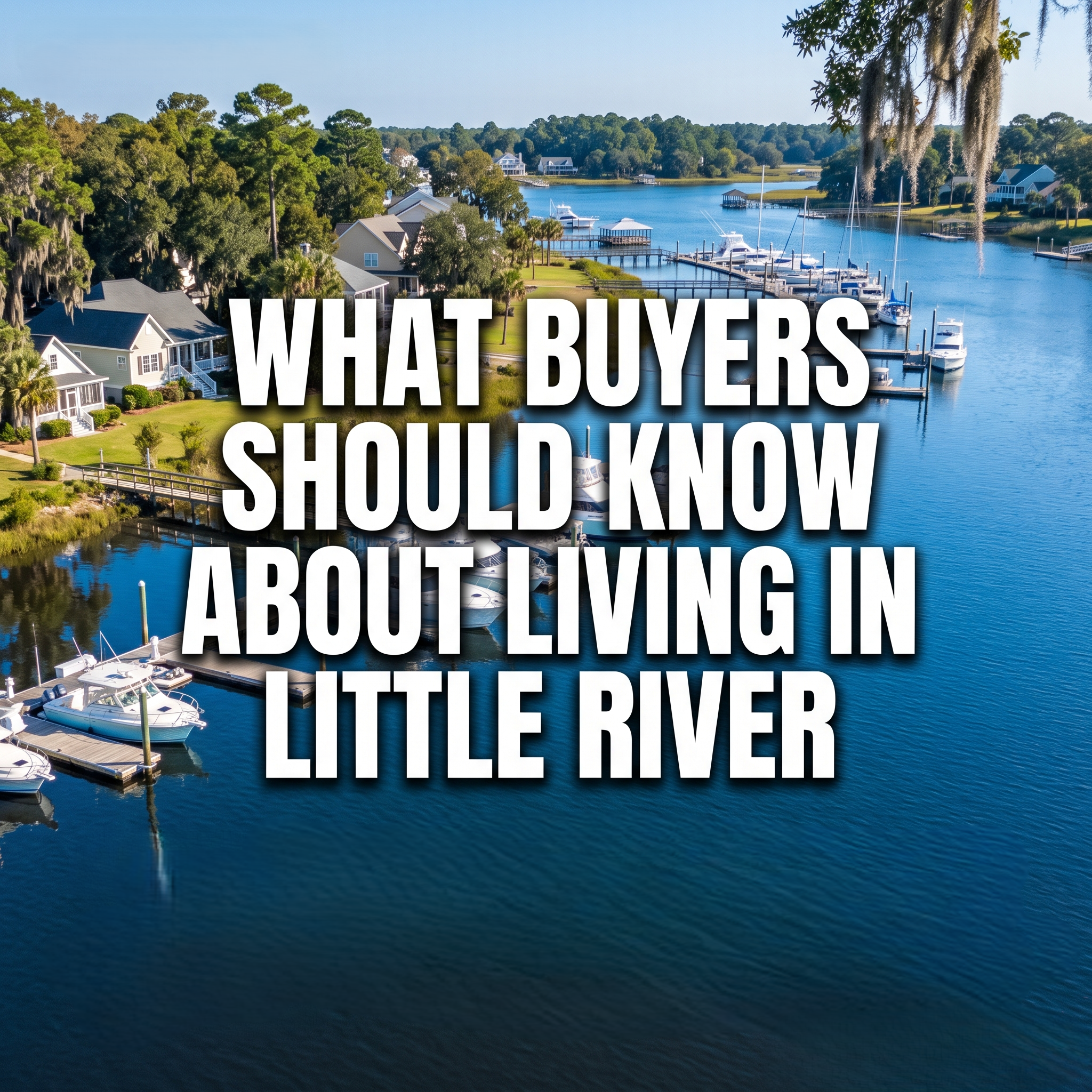
What Buyers Should Know About Living in Little River

Why Little River Feels Different From the Rest of the Grand Strand

Little River sits at the northern edge of South Carolina's Grand Strand, and buyers exploring Little River real estate quickly notice something different. The pace is slower than Myrtle Beach, the pricing is often more approachable, and the community feels rooted in daily life rather than tourism. That combination has quietly made Little River one of the most attractive markets for buyers who want the Grand Strand lifestyle without the coastal-city energy.

For full-time residents, snowbirds, retirees, and remote workers, Little River offers a coastal-adjacent lifestyle with real neighborhood character. Knowing what shapes daily life here is the difference between a comfortable move and a surprise later.

The Lifestyle: Waterways, Golf, and a Small-Town Feel

Little River is defined by its waterways. The Intracoastal Waterway, local channels, marinas, and fishing charters shape the daily rhythm of the town in a way that no other Grand Strand market matches. Golf is the second pillar. Several respected golf communities anchor the market and support a strong retirement and second-home buyer pool. The third pillar is proximity. Little River gives owners quick access to North Myrtle Beach beaches and coastal amenities while keeping a quieter, more residential day-to-day setting.

Top Communities to Consider for Living in Little River

Heather Glen

Heather Glen is one of the more recognized golf and residential communities in Little River. It attracts retirees, active adults, and second-home buyers who value amenity access, community feel, and easy day-to-day living.

Palm Lakes Plantation

For buyers who want a planned community with steady long-term character, Palm Lakes Plantation offers a well-kept neighborhood with community amenities and a strong resident base. The community works well for both full-time residents and snowbirds.

The Preserve at Little River

The Preserve at Little River appeals to buyers who want a quieter, more residential setting inside a defined community. Buyers who value privacy and a tucked-away feel often start their search here.

Windjammer Village

Windjammer Village gives buyers an affordable entry point into the Little River lifestyle. The community appeals to buyers looking for value, low maintenance, and easy access to the broader area.

Grande Harbour Condos

For buyers who want to be closer to the waterway and prefer condo ownership, Grande Harbour Condos offers a waterway-oriented lifestyle with lower maintenance demands. The building draws boaters, snowbirds, and second-home buyers.

Waterway Cove

Waterway Cove is another strong option for buyers who want proximity to the Intracoastal Waterway and community-oriented living. Buyers who value both water access and neighborhood feel gravitate here.

What Daily Life Actually Looks Like

Little River's daily rhythm is anchored by short drives, easy errands, and predictable services. Grocery stores, healthcare providers, restaurants, and marinas are all within a short drive of most Little River neighborhoods. Traffic is generally lighter than in Myrtle Beach or North Myrtle Beach, and the town's small-scale layout means most services feel more accessible.

Waterway lifestyles are a real draw here. Boat access, fishing, kayaking, and marina dining are part of the everyday experience for many residents. Buyers should think about whether they want to live inside a waterway-oriented community, a golf community, or a more traditional residential neighborhood.

Please create an image with this title in the center, high-contrast Facebook ad layout, centered headline text, 1:1 or 4:5 aspect ratio for Facebook performance: Please also remove call-to-action button. What Buyers Should Know About Living in Little River

Costs and Practical Considerations

  • HOA fees vary widely across Little River communities, so review reserves and amenities alongside the headline number
  • Insurance considerations differ between waterway-adjacent homes and inland communities
  • Property taxes in Horry County are higher on non-primary residences than on primary homes
  • Short-term rental rules vary by HOA and by community, so confirm in writing before buying for rental income
  • Distance to healthcare, grocery, and daily services should be tested in real-world conditions before buying

These practical details often matter more than the sale price when it comes to long-term satisfaction.

Strategy for Buyers

The smartest Little River buyers lead with lifestyle. Waterway and boating buyers align with communities like Grande Harbour and Waterway Cove. Golf and active-adult buyers gravitate toward Heather Glen and Palm Lakes Plantation. Value-focused buyers explore Windjammer Village. Once the lifestyle is clear, the community shortlist usually narrows to two or three strong candidates.

Local guidance matters because Little River communities can feel similar on paper but very different on the ground. An agent who knows the streets, the marinas, the golf courses, and the community HOAs makes the difference between a comfortable long-term choice and a costly correction later.

Key Takeaways

  • Little River offers a coastal-adjacent lifestyle with a slower pace and more approachable pricing than busier Grand Strand markets
  • Waterways, golf, and small-town character define the daily experience
  • Communities like Heather Glen, Palm Lakes Plantation, The Preserve at Little River, Windjammer Village, Grande Harbour Condos, and Waterway Cove each appeal to a different buyer profile
  • HOA fees, insurance, second-home tax rates, and rental rules should be reviewed early in the search
  • Lifestyle goals lead the search here; the right community is usually clear once the lifestyle is defined

Frequently Asked Questions

Is Little River a good place to retire?

Many retirees choose Little River for its slower pace, waterway access, established golf communities, and proximity to coastal amenities. Community options that support active retirement include Heather Glen, Palm Lakes Plantation, and similar planned neighborhoods. The best fit depends on lifestyle priorities and healthcare access needs.

Are HOA fees in Little River higher than other Grand Strand markets?

HOA fees in Little River vary widely by community. Some communities carry modest fees with fewer amenities, while others include golf, pools, and clubhouses that push fees higher. Comparing fees only makes sense when the amenities, reserves, and management are compared together.

How far is Little River from the beach?

Most Little River communities sit within a short drive of North Myrtle Beach beaches. Actual drive times vary by community and by time of day. Testing the commute in real-world conditions before buying is the safest move for buyers who plan to visit the beach frequently.

About Greg Harrelson

Greg Harrelson is a seasoned Realtor® with more than 30 years of experience serving the Myrtle Beach and Grand Strand markets. As the founder of Century 21 The Harrelson Group, Greg has built his career helping buyers, sellers, and investors achieve success in every corner of the coastal Carolina real estate market. His expertise spans residential homes, investment properties, land development, and coastal condos. Known for his deep local knowledge, innovative marketing strategies, and commitment to personal service, Greg consistently helps clients reach their real estate goals while navigating the ever-changing market with confidence and precision.

Posted in For Buyers
July 10, 2026

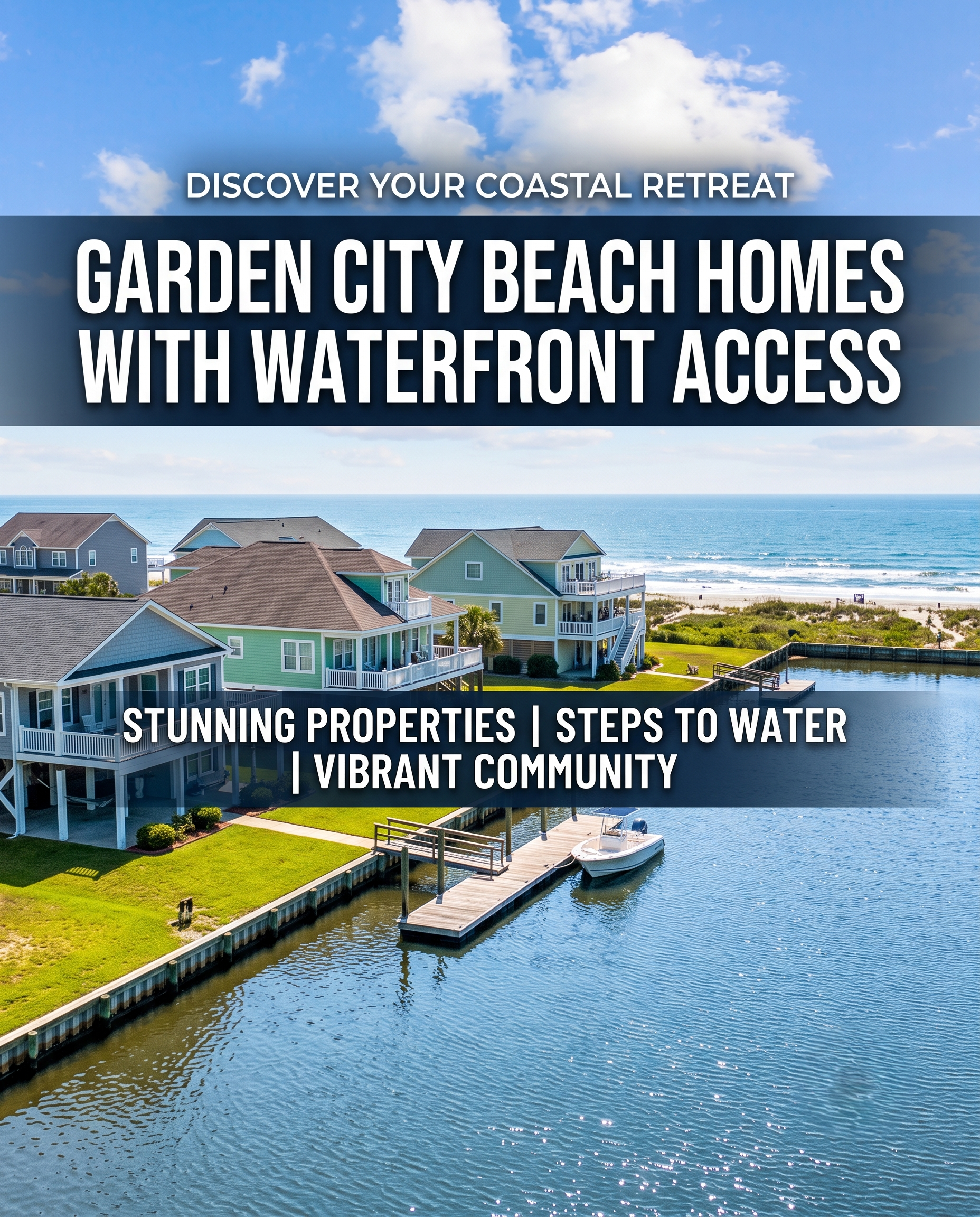
Garden City Beach Homes With Waterfront Access

Why Waterfront Access Defines the Garden City Beach Lifestyle

Few Grand Strand markets deliver as many ways to live near the water as Garden City Beach. Buyers exploring Garden City Beach real estate can choose from oceanfront condos, inlet-adjacent homes, creek-facing single-family properties, and communities built around lakes and ponds. That variety is one of the reasons Garden City has held steady buyer interest even as other Grand Strand markets have shifted.

Waterfront access shapes the daily experience. It changes what you see from the porch, how you spend your mornings, and how the property performs as a rental or a long-term investment. Knowing what kind of waterfront access fits your life is the most important early decision.

Types of Waterfront Access in Garden City Beach

Oceanfront

Oceanfront homes and condos sit directly on the beach with no other buildings between them and the Atlantic. The view is unbroken, the beach is steps away, and the daily experience is unmistakable. Buyers should expect higher pricing and higher insurance, along with strong long-term demand thanks to limited supply.

Inlet and Channel

Homes near Murrells Inlet and the surrounding channels offer a different waterfront experience. Sunsets, wildlife, and boat access replace the pounding surf. This style of waterfront tends to appeal to buyers who value calm water, kayaking, and paddleboarding as much as the Atlantic.

Lake, Pond, and Community Waterfront

Several Garden City neighborhoods are built around lakes, ponds, or interior waterways. These properties give owners a water view and a sense of openness without the full cost of oceanfront exposure. Many buyers find this the best value for lifestyle.

Garden City Beach Homes With Waterfront Access

Top Waterfront-Access Communities in Garden City Beach

One Ocean Place

One Ocean Place is one of the most recognized oceanfront condo addresses in Garden City. Direct beach access, wide ocean views, and a well-known amenity package make it a lasting anchor of the local waterfront market. Buyers looking for a primary oceanfront lifestyle or a strong vacation rental often start their search here.

Waters Edge Resort

Waters Edge Resort pairs oceanfront access with a resort-style experience and strong rental demand. The building's location and reputation help support both personal use and consistent rental interest.

Inlet Pointe

For buyers who want quick access to the pier and easy proximity to the inlet, Inlet Pointe is a natural fit. The location puts buyers within a short walk of the beach and the pier-area restaurants, and it works particularly well for snowbirds and second-home owners.

Royal Gardens Resort

Royal Gardens Resort gives oceanfront buyers a resort-style condo experience close to the heart of Garden City Beach. The combination of location, amenities, and rental history makes it a steady choice for second-home buyers and investors.

Reflection Pointe

Reflection Pointe offers buyers a smaller, well-kept community close to the beach with water views inside the community. It appeals to buyers who want lower-maintenance ownership with an easy walk or short drive to the coast.

Bungalow Bay

Bungalow Bay gives buyers a more relaxed, cottage-style experience with water and community access. It is a strong fit for buyers who want coastal character in a smaller footprint.

Costs and Practical Considerations

  • Wind, hail, and flood insurance costs vary widely between oceanfront, inlet, and inland waterfront properties
  • Elevation certificates and flood zone designations affect both insurance premiums and long-term resale
  • Salt-air and humidity exposure raises maintenance costs for HVAC, sliders, balconies, and finishes
  • HOA fees and reserve health can vary dramatically between low-key communities and full-amenity oceanfront buildings
  • Short-term rental rules differ by HOA and by street, so confirm eligibility in writing before buying for income

These factors do not disqualify waterfront properties, but they shape long-term ownership costs in meaningful ways.

Strategy for Buyers

Waterfront buyers in Garden City Beach get the best results by leading with lifestyle goals. Oceanfront living, inlet quietness, and community-lake convenience each match a different daily rhythm. Once the lifestyle is clear, the right property type usually narrows to a handful of buildings or neighborhoods. Visiting each in person and walking the property makes a bigger difference here than in most markets. The way a building sits, the way a balcony faces, and the way the water sounds at different times of day all show up better on the ground than on a listing photo.

Local guidance matters because the details that separate a good waterfront purchase from a great one are often hidden inside HOA financials, master insurance policies, and rental history. An experienced agent who knows the buildings unit by unit protects both the lifestyle outcome and the long-term investment.

Key Takeaways

Garden City Beach offers a wide range of waterfront-access options, from oceanfront condos like One Ocean Place, Waters Edge Resort, and Royal Gardens Resort to inlet-friendly buildings like Inlet Pointe and community-oriented properties like Reflection Pointe and Bungalow Bay. Each waterfront style has its own cost profile and lifestyle rhythm. Buyers who define lifestyle goals early, evaluate HOA and insurance details carefully, and work with a knowledgeable local agent are best positioned to find a property that delivers both daily enjoyment and long-term value.

About Greg Harrelson

Greg Harrelson is a seasoned Realtor® with more than 30 years of experience serving the Myrtle Beach and Grand Strand markets. As the founder of Century 21 The Harrelson Group, Greg has built his career helping buyers, sellers, and investors achieve success in every corner of the coastal Carolina real estate market. His expertise spans residential homes, investment properties, land development, and coastal condos. Known for his deep local knowledge, innovative marketing strategies, and commitment to personal service, Greg consistently helps clients reach their real estate goals while navigating the ever-changing market with confidence and precision.

Posted in For Buyers
July 9, 2026

What Buyers Should Know Before Purchasing in Myrtle Beach

Myrtle Beach Is Not a Single Market

Buyers searching for Myrtle Beach real estate often start with one mental picture: a coastal city with oceanfront condos and tourist energy. The reality is more layered. Myrtle Beach is a collection of distinct neighborhoods, each with its own pricing, lifestyle, and resale dynamics. Two homes a few miles apart can behave like different markets entirely. Buyers who understand that early make better decisions and avoid surprises later.

Before signing anything, every prospective Myrtle Beach buyer benefits from a clearer view of how the market actually works on the ground, not just how it looks on a national listing site.

Know the Neighborhood Before the Number

Pricing on the Grand Strand changes street by street and building by building. The number on a listing means less than the comparable sales right around it. A condo on a higher floor with a direct ocean view in the same building can sell for a very different number than a side-view unit two floors below. Single-family homes in a planned community follow different patterns than older inland homes a mile inland.

Knowing which neighborhood fits your goals comes first. Family-oriented buyers often look at Carolina Forest or Forestbrook. Lifestyle and walkability buyers gravitate toward Market Common. Luxury and amenity-rich buyers explore Grande Dunes. Each of these neighborhoods has its own rhythm and its own buyer pool.  

What Buyers Should Know Before Purchasing in Myrtle Beach

Property Type Matters More Than You Think

Single-Family Homes

Single-family buyers should think about lot size, drainage, age of the home, and whether the community has natural gas or other modern utility infrastructure. Older homes can offer character but may need updates. Newer construction often delivers efficiency, but lot premiums and upgrade pricing can stack quickly. Walking the streets at different times of day reveals more than any listing photo.

Condos

Buyers exploring Myrtle Beach condos for sale need to look beyond the unit. The building's HOA reserves, master insurance policy, special assessment history, and rental rules can affect long-term cost and value more than the price per square foot. A great unit in a poorly funded building is a problem waiting to happen.

Townhomes

Townhomes blend lower maintenance with more space than a condo. Buyers should look at the community's HOA financials, the structure of shared walls and roofs, and any restrictions on rentals or exterior changes.

Costs Beyond the Sale Price

  • HOA fees vary widely by community and can change year to year based on reserves and amenities
  • Wind, hail, and flood insurance add real cost, especially near the coast
  • Property taxes in Horry County are higher for non-primary residences than for primary homes
  • Short-term rental rules differ by HOA, by street, and sometimes by individual building
  • Natural gas vs. electric utility costs can change monthly bills significantly

Buyers who run these numbers up front avoid sticker shock in the first year of ownership.

How Out-of-State Buyers Should Approach the Market

Most Myrtle Beach buyers are searching from out of state. The combination of distance, time zones, and limited weekends on the ground creates real challenges. Successful out-of-state buyers usually do three things well. First, they get clear on lifestyle goals before they tour, so the trip down is focused. Second, they line up financing in advance and confirm the lender is comfortable with second-home or condo lending. Third, they choose a local agent who knows the neighborhoods unit by unit and building by building, not just the listing data.

Browsing current Myrtle Beach homes for sale is a good first step, but it is just a starting point. The real work happens once you narrow to the right neighborhood and property type.

South Carolina Closing Process

South Carolina is an attorney-closing state. That means a licensed real estate attorney handles the legal side of the closing, not a title company. Out-of-state buyers used to title companies are sometimes surprised by this, but it is a positive feature of the market. The attorney protects both sides and helps make sure the transaction is clean.

Working with an experienced local agent helps coordinate the inspection, appraisal, repair negotiations, and attorney-side work so the closing happens on time and without drama.

Key Takeaways

  • Myrtle Beach is a collection of neighborhoods, not a single market
  • Pricing changes street by street and building by building
  • HOA reserves, insurance, and rental rules can matter more than headline price
  • Out-of-state buyers benefit from clear lifestyle goals, ready financing, and a knowledgeable local agent
  • South Carolina requires an attorney-led closing, which adds protection but differs from title-company states

Frequently Asked Questions

What is the most important thing to research before buying in Myrtle Beach?

Neighborhood-specific information. Pricing, HOA fees, insurance costs, and rental rules all vary significantly between communities and even between buildings. Understanding the specific neighborhood you are buying in is more important than understanding the city as a whole.

How much should I budget for insurance on a Myrtle Beach home?

Insurance costs depend on the home's location, age, construction type, elevation, and flood zone. Coastal and oceanfront properties typically cost more to insure. Getting a property-specific quote from a local insurance agent before making an offer is the safest move, and many buyers underestimate this cost on their first Grand Strand purchase.

Are short-term rentals allowed on every property?

No. Short-term rental rules differ by HOA, by street, by city ordinance, and sometimes by building. Some properties allow daily rentals, others restrict to weekly or longer, and a few prohibit short-term rentals entirely. Always confirm in writing before buying if rental income is part of the plan.

Do I need an attorney to buy a home in South Carolina?

Yes. South Carolina is an attorney-closing state, meaning a licensed real estate attorney must handle the legal side of your closing. Your agent can coordinate with the attorney and keep the rest of the closing process on track.

About Greg Harrelson

Greg Harrelson is a seasoned Realtor® with more than 30 years of experience serving the Myrtle Beach and Grand Strand markets. As the founder of Century 21 The Harrelson Group, Greg has built his career helping buyers, sellers, and investors achieve success in every corner of the coastal Carolina real estate market. His expertise spans residential homes, investment properties, land development, and coastal condos. Known for his deep local knowledge, innovative marketing strategies, and commitment to personal service, Greg consistently helps clients reach their real estate goals while navigating the ever-changing market with confidence and precision.

Posted in For Buyers
July 8, 2026

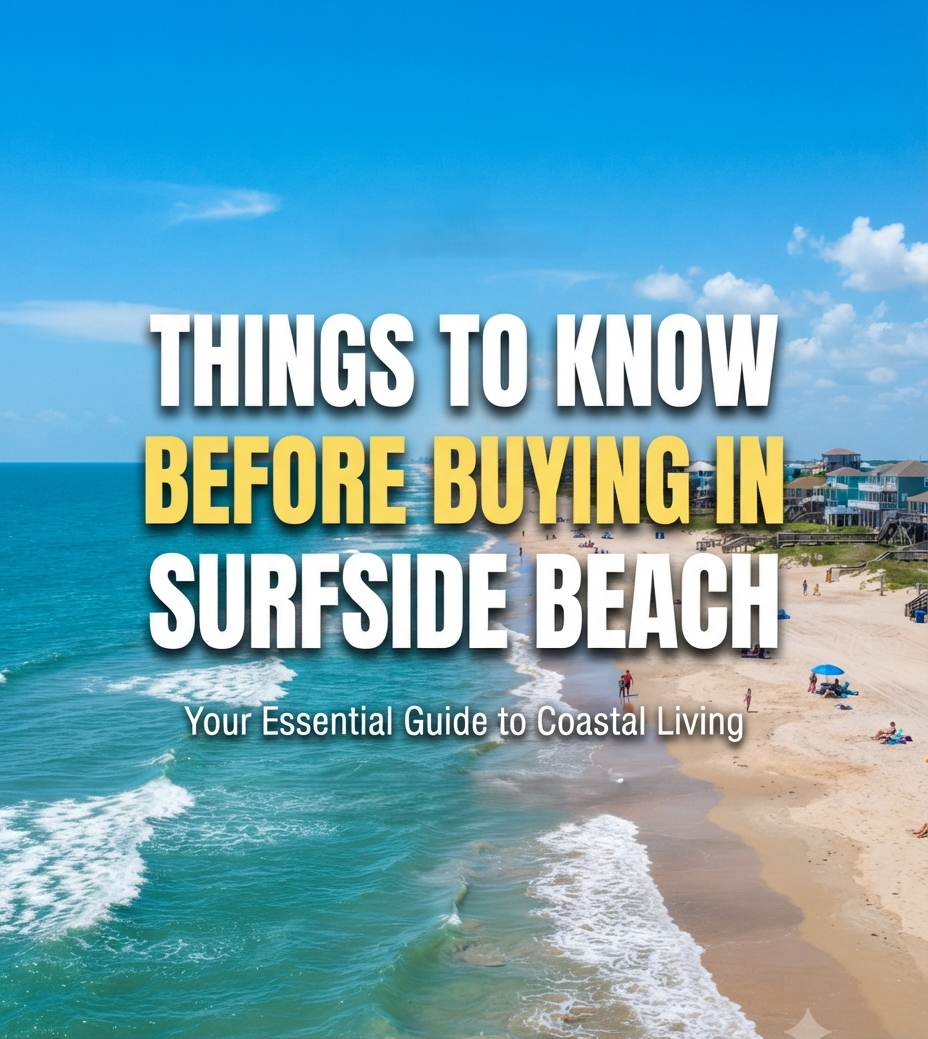
Things to Know Before Buying in Surfside Beach

Why Surfside Beach Is a Different Kind of Coastal Market

Surfside Beach has a personality of its own. The town has worked hard to preserve its low-rise, family-friendly character, and that shows up in every street and every neighborhood. Buyers exploring Surfside Beach real estate for the first time often expect a smaller version of Myrtle Beach, but the experience on the ground is closer to a traditional coastal town than a resort destination.

That difference matters when you are buying. The pricing patterns, the rental rules, and the buyer pool all behave differently in Surfside than they do a few miles north. Knowing what to expect before you start touring saves time and protects your decision.

Know the Neighborhoods, Not Just the Town

Surfside Beach is small, but it is not uniform. The blocks closest to the ocean and the pier carry a different rhythm than the inland streets. Family-oriented communities feel different from short-term rental hotspots. Buyers who define how they want to live narrow the search faster.

Ocean Palms

Ocean Palms appeals to buyers who want a near-ocean address in a quieter community setting. It is a strong fit for full-time residents and second-home buyers who value a residential feel.

The Retreat at Ocean Commons

For buyers who want newer construction with low-maintenance design, The Retreat at Ocean Commons blends modern construction with the broader Surfside Beach lifestyle. The neighborhood works well for retirees, snowbirds, and full-time residents.

Surfside Beach Club Homes

Surfside Beach Club draws buyers who want a community-oriented experience within easy reach of the beach. The neighborhood character supports both year-round living and seasonal ownership.

Deerfield Plantation

Deerfield Plantation offers a more residential, golf-adjacent setting for buyers who want a quieter pace than the beach corridor. It is a strong fit for buyers who value a planned community feel and steady neighborhood character.

Caropines

Caropines is one of the more established residential pockets of Surfside Beach, attracting buyers who want a true neighborhood feel and easy access to the coast without being directly on the ocean.

Lakewood and Surfside Plantation

Lakewood in Surfside Beach and Surfside Plantation both deliver residential character with proximity to the broader Surfside lifestyle. These neighborhoods are popular with full-time residents and second-home buyers seeking a quieter pace.

Things to Know Before Buying in Surfside Beach

Costs and Practical Considerations

  • Wind, hail, and flood insurance vary widely by elevation and proximity to the ocean
  • Property tax rates in Horry County are higher on second homes than primary residences
  • HOA fees and reserve health should be reviewed alongside the headline number
  • Short-term rental rules differ by street, building, and HOA, so confirm in writing before buying for income
  • Salt-air maintenance affects HVAC, exterior finishes, and outdoor structures over time

These details should be reviewed early in the search, not at the closing table.

Short-Term Rentals in Surfside Beach

Many buyers come to Surfside Beach with rental income in mind. The town has rental rules and zoning details that affect what is allowed and where. Properties near the pier and the ocean often perform well as vacation rentals, but inland streets may have different restrictions. Always confirm short-term rental eligibility in writing, both with the HOA and with the town, before assuming rental income will offset ownership costs.

Out-of-State Buyer Considerations

Many Surfside Beach buyers are searching from out of state. Distance, weekends on the ground, and time zones all add friction to the search. The most successful out-of-state buyers do three things well: they get clear on lifestyle goals before they tour, they line up financing in advance, and they work with a local agent who knows the streets and the property history. South Carolina is also an attorney-closing state, which often surprises buyers used to title-company closings.

Key Takeaways

  • Surfside Beach preserves a low-rise, family-friendly character that distinguishes it from busier markets
  • Neighborhoods like Ocean Palms, The Retreat at Ocean Commons, Surfside Beach Club, Deerfield Plantation, Caropines, Lakewood, and Surfside Plantation each appeal to different buyer profiles
  • Insurance, HOA fees, second-home tax rates, and salt-air maintenance shape long-term ownership cost
  • Short-term rental rules vary by street, HOA, and town zoning, so confirm in writing
  • South Carolina is an attorney-closing state, which differs from many other markets

About Greg Harrelson

Greg Harrelson is a seasoned Realtor® with more than 30 years of experience serving the Myrtle Beach and Grand Strand markets. As the founder of Century 21 The Harrelson Group, Greg has built his career helping buyers, sellers, and investors achieve success in every corner of the coastal Carolina real estate market. His expertise spans residential homes, investment properties, land development, and coastal condos. Known for his deep local knowledge, innovative marketing strategies, and commitment to personal service, Greg consistently helps clients reach their real estate goals while navigating the ever-changing market with confidence and precision.

Posted in For Buyers
July 7, 2026

Best North Myrtle Beach Neighborhoods for Year-Round Living

Why Year-Round Buyers Are Looking at North Myrtle Beach

For decades, North Myrtle Beach has been thought of as a vacation destination. The reality on the ground today is much broader. More buyers are choosing North Myrtle Beach as their permanent home, drawn by mild winters, strong infrastructure, and a community feel that does not disappear once the summer crowds leave. Buyers exploring North Myrtle Beach real estate for full-time living are looking past the rental towers and toward neighborhoods built for everyday life.

Year-round living in North Myrtle Beach is not about giving up the coastal lifestyle. It is about finding the right neighborhood where that lifestyle is sustainable through every season, not just July and August.

What Makes a Neighborhood Work for Year-Round Living

Year-round buyers consistently look for the same set of qualities. A strong sense of community that does not depend on tourist season. Predictable neighborhood services, from trash and stormwater to street maintenance. Convenient access to grocery stores, healthcare, and dining that stay open all year. Walkability or short drives to daily essentials. And a buyer mix that includes other full-time residents rather than just seasonal owners.

The best year-round neighborhoods in North Myrtle Beach combine these qualities with the coastal lifestyle perks that drew buyers to the area in the first place.

Top North Myrtle Beach Neighborhoods for Year-Round Living

Del Webb North Myrtle Beach

Del Webb North Myrtle Beach is one of the strongest year-round options for active-adult buyers. The community is designed around full-time living with social clubs, fitness amenities, walking trails, and a calendar that runs year round. Buyers who want neighbors who actually live in their homes year round consistently start their search here.

Charleston Landing

Charleston Landing appeals to year-round buyers who want a more traditional neighborhood feel with mature landscaping, sidewalks, and a residential pace. The community works well for families, retirees, and remote workers who want a steady community rhythm.

Seabrook Plantation

Seabrook Plantation is a planned community that draws year-round residents who want a quieter, well-kept neighborhood close to North Myrtle Beach amenities. The mix of homes and community amenities supports daily living, not just vacation stays.

Tidewater Plantation

For buyers who want a gated, amenity-rich setting with year-round community character, Tidewater Plantation stands out. Golf, clubhouse amenities, mature landscaping, and a strong sense of neighborhood support a full-time lifestyle for retirees and active residents alike.

Ingram Dunes

Ingram Dunes offers a quieter residential feel within easy reach of North Myrtle Beach's beaches, restaurants, and grocery stores. Year-round buyers like the mix of homes and the neighborhood's everyday usability.

Barefoot Resort

Barefoot Resort is best known as a golf and amenity community, but it also has a meaningful population of full-time residents. Buyers who want a planned, amenity-rich lifestyle with year-round neighbors in the surrounding single-family neighborhoods often find Barefoot a strong fit.  

Best North Myrtle Beach Neighborhoods for Year-Round Living

Practical Considerations for Year-Round Buyers

  • Homestead and primary-residence tax rates in Horry County are significantly lower than non-primary rates
  • HOA fees and amenity packages should be reviewed for what they include in the off-season, not just in summer
  • Insurance for a primary residence may differ from coverage on a seasonal property
  • Walkability and daily errand access vary widely between neighborhoods
  • Healthcare access and commute times to Myrtle Beach or Wilmington should be tested in real-world conditions

These details affect long-term satisfaction more than they affect the purchase price, which is why year-round buyers should weigh them heavily.

Strategy for Buyers

The smartest year-round North Myrtle Beach buyers start with their daily life, not their dream vacation. Where will you buy groceries? Where will you exercise? Where will you find coffee at 8 a.m. in February? Once those answers feel comfortable in a specific neighborhood, the right property usually follows. Touring the community in shoulder season, not just summer, gives the most accurate picture of what life will really feel like.

Local guidance matters because the difference between a year-round neighborhood and a primarily seasonal one is sometimes subtle on a listing but obvious on the ground. An experienced local agent can save buyers months of trial and error.

Key Takeaways

Year-round living in North Myrtle Beach is increasingly popular, and the right neighborhood makes all the difference. Del Webb North Myrtle Beach, Charleston Landing, Seabrook Plantation, Tidewater Plantation, Ingram Dunes, and Barefoot Resort each offer a different blend of community feel, amenity package, and lifestyle. Buyers who lead with daily-life criteria, weigh HOA value across all seasons, and partner with a local agent who knows the neighborhoods unit by unit are best positioned to find a year-round home that delivers on both lifestyle and long-term value.

About Greg Harrelson

Greg Harrelson is a seasoned Realtor® with more than 30 years of experience serving the Myrtle Beach and Grand Strand markets. As the founder of Century 21 The Harrelson Group, Greg has built his career helping buyers, sellers, and investors achieve success in every corner of the coastal Carolina real estate market. His expertise spans residential homes, investment properties, land development, and coastal condos. Known for his deep local knowledge, innovative marketing strategies, and commitment to personal service, Greg consistently helps clients reach their real estate goals while navigating the ever-changing market with confidence and precision.

July 6, 2026

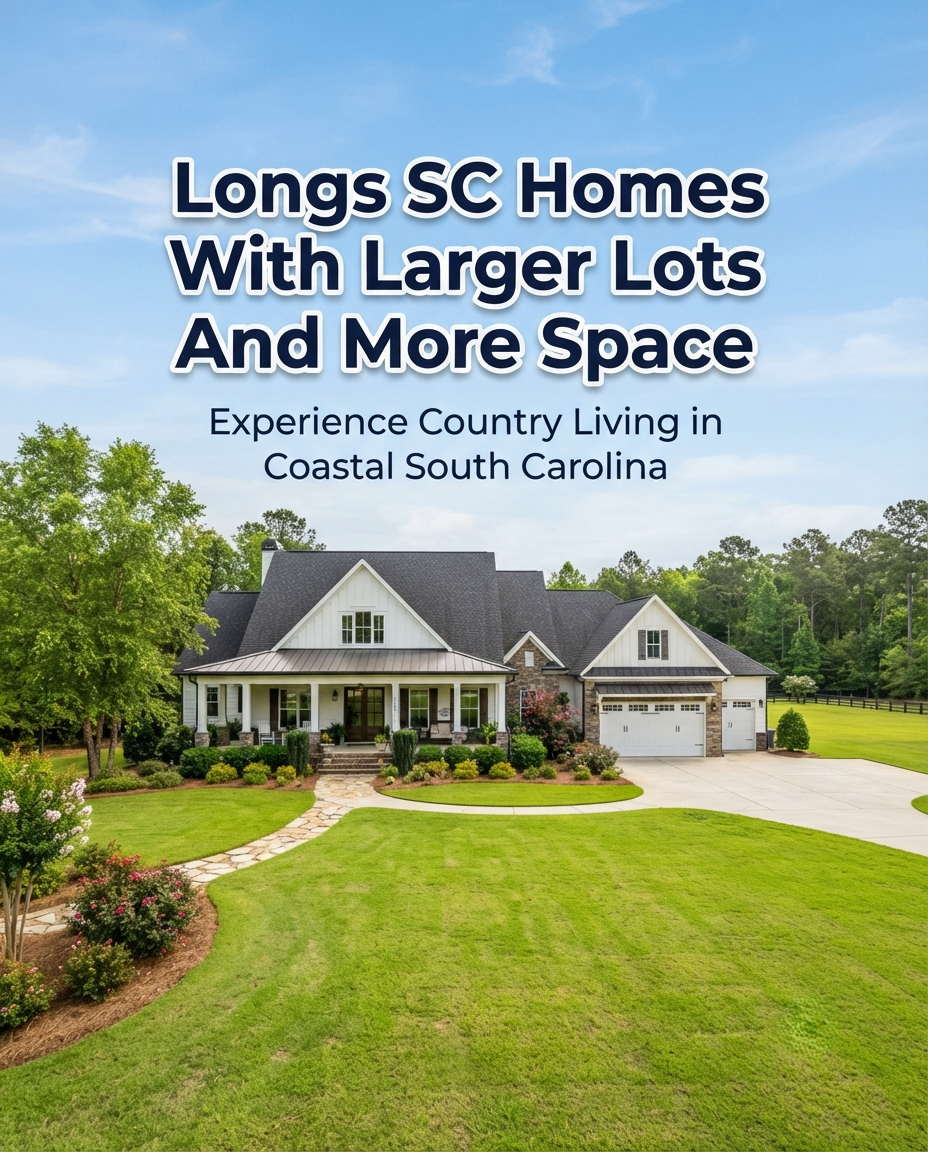
Longs SC Homes With Larger Lots and More Space

Why Longs Has Become a Top Choice for Larger Lots and Space

Buyers searching the Grand Strand for more room often find that Longs delivers the right balance of larger lots, modern homes, and reasonable pricing. As land has tightened closer to the coast and prices have grown in central Myrtle Beach, Longs has become one of the strongest answers for buyers who want a real yard, room to breathe, and a community feel without giving up access to coastal amenities. Buyers exploring Longs SC real estate consistently mention the same draw: more home and more lot for the money.

The Longs market is not just about lower pricing. It is also about lifestyle. Larger lots support outdoor living, hobbies, and a sense of privacy that more compact coastal markets simply cannot match.

Who Buys Homes With Larger Lots in Longs

The buyer mix for Longs larger-lot communities is broader than many people expect. Out-of-state buyers come from busier metros looking for space and a quieter day-to-day routine. Retirees and downsizers often choose a smaller home on a larger lot to extend their outdoor lifestyle. Working families value the room for kids, pets, and outdoor gatherings. Investors look for properties that meet rental demand from coastal workers who want a quieter inland home base.

What ties these buyers together is the desire for room without sacrificing community, modern construction, or proximity to the coast.

Top Longs Communities for Larger Lots and Space

Polo Farms

Polo Farms blends newer home options with larger lots and a strong community feel. Buyers who want planned-community structure with the open feel of generous yards often find Polo Farms a satisfying middle ground.

The Forest at Black Bear

For buyers who want a wooded, more rural feel without leaving a community setting, The Forest at Black Bear stands out. Larger lots, mature surroundings, and a quieter pace appeal to buyers who want trees and privacy alongside modern home design.

Long Bay

Long Bay combines golf course living with larger lots and a strong amenity profile. Buyers who want an active lifestyle with the visual space of a more open community often start their search here.

Reserve at Long Bay

For buyers who want a more focused selection inside the larger Long Bay footprint, Reserve at Long Bay offers a complementary lifestyle with its own character and homes.

Myrtle Grove Plantation

Myrtle Grove Plantation blends mature landscaping with home and lot options that appeal to buyers seeking privacy and space inside a defined community. The neighborhood works especially well for retirees and full-time residents who want established surroundings.

Marshfield

Marshfield appeals to buyers who want larger lot options in a community setting that still feels connected to the broader Longs market. The neighborhood offers a balance of space and community character that suits a wide range of buyer profiles.

Bell's Lake

Bell's Lake brings the appeal of water access and larger lots to buyers who want a quieter Longs setting. Buyers who like the idea of a lake or pond view alongside open yard space often consider this community first.

Longs SC Homes With Larger Lots and More Space

Practical Considerations for Larger-Lot Buyers

  • Lot lines, easements, and setbacks vary by community, so request the survey or plat before assuming buildable area
  • HOA architectural rules can limit fences, sheds, and outbuildings, even on larger lots
  • Wells, septic systems, or natural gas availability differ between neighborhoods, so confirm utilities early
  • Drainage and stormwater plans matter on larger lots and can affect both maintenance and resale
  • Property tax rates apply differently to primary residences and second homes in Horry County

None of these factors disqualify a property, but reviewing them before making an offer prevents surprises during ownership.

Strategy for Buyers

Larger-lot buyers in Longs benefit from leading with lifestyle goals. Buyers who want pure space and privacy may prefer wooded communities like The Forest at Black Bear. Buyers who want active amenities and visual openness often choose Long Bay or Polo Farms. Buyers who value mature surroundings tend toward Myrtle Grove Plantation. Once the lifestyle is clear, the right community usually becomes obvious.

Touring multiple communities in person matters here. The feel of a larger lot, the lay of the land, and the way the neighborhood connects to the surrounding area all show up best when walking the property. Working with a local agent who knows the Longs market unit-by-unit and lot-by-lot is the most reliable way to align the right home with the right lifestyle.

Key Takeaways

Longs continues to attract Grand Strand buyers because it delivers larger lots and more space at a value point that the coastal markets cannot match. Polo Farms, The Forest at Black Bear, Long Bay, Reserve at Long Bay, Myrtle Grove Plantation, Marshfield, and Bell's Lake each offer a different blend of size, setting, and amenity profile. Buyers who define their priorities clearly, review HOA rules and lot details carefully, and work with a knowledgeable local team are best positioned to land a home that delivers on space, lifestyle, and long-term value in one of the Grand Strand's most active inland markets.

About Greg Harrelson

Greg Harrelson is a seasoned Realtor® with more than 30 years of experience serving the Myrtle Beach and Grand Strand markets. As the founder of Century 21 The Harrelson Group, Greg has built his career helping buyers, sellers, and investors achieve success in every corner of the coastal Carolina real estate market. His expertise spans residential homes, investment properties, land development, and coastal condos. Known for his deep local knowledge, innovative marketing strategies, and commitment to personal service, Greg consistently helps clients reach their real estate goals while navigating the ever-changing market with confidence and precision.

Posted in For Buyers
July 3, 2026

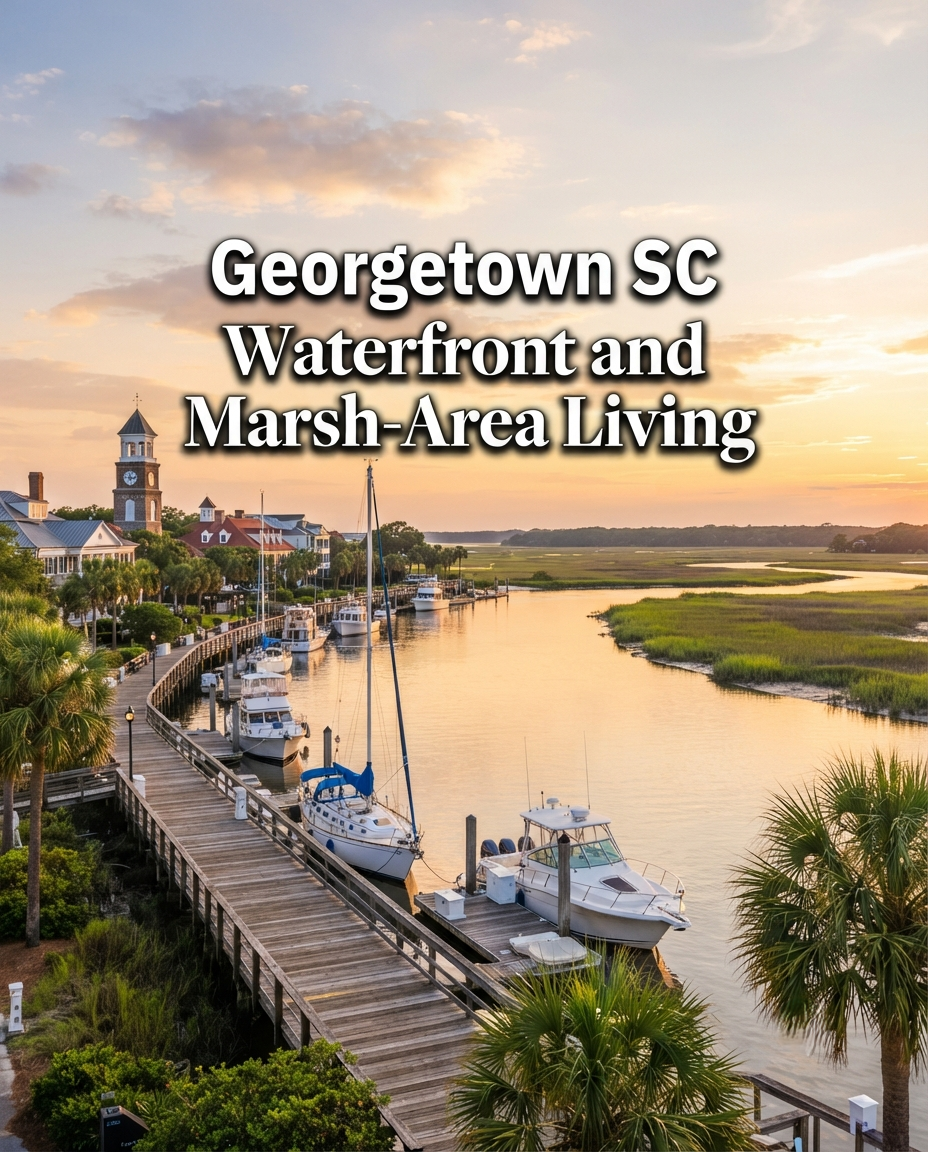
Georgetown SC Waterfront and Marsh-Area Living

What Makes Georgetown Waterfront and Marsh Living Different

Georgetown's waterfront and marsh-area homes deliver something the rest of the Grand Strand cannot match. The region sits at the meeting point of multiple rivers, salt marshes, and the Atlantic, which creates a layered, ever-changing coastal landscape that feels closer to the Lowcountry than to Myrtle Beach. Buyers exploring Georgetown SC real estate are usually drawn to a specific kind of lifestyle: water at the doorstep, mature trees, slower mornings, and a deep sense of place.

This style of waterfront and marsh-area living is not for everyone, but for buyers who want it, no other Grand Strand market delivers the same experience.

Why Waterfront and Marsh-Area Buyers Choose Georgetown

Buyers consistently cite the same handful of reasons for choosing Georgetown waterfront and marsh properties. The first is the view: marsh grass, tidal creeks, and wildlife create a living landscape that changes by the hour. The second is the pace. Georgetown moves more slowly than the busier coastal markets, and that calmer rhythm shows up in everyday life. The third is the architecture. Many homes here reflect Lowcountry style, with raised foundations, deep porches, and a connection to the outdoors that fits the setting.

The fourth reason is access. Owners can fish, kayak, paddleboard, or simply watch the water from their porch without driving to a beach or pier. That kind of daily proximity is what waterfront and marsh-area buyers are paying for.

Top Communities for Waterfront and Marsh-Area Living

Historic Downtown Georgetown

The waterfront in the historic district is the heart of the area's identity. Front Street follows the Sampit River and connects restaurants, shops, the Harborwalk, and historic homes. Buyers who want walkable, water-adjacent living often start their search here. Inventory is limited, and the right property typically attracts strong attention when it comes to market.

Wedgefield Plantation

Just minutes from downtown Georgetown, Wedgefield Plantation sits along the Black River and offers buyers a community with golf, mature trees, and waterfront character. The community is popular with buyers who want estate-style living with easy access to historic Georgetown and the broader Lowcountry waterway system.

Georgetown SC Waterfront and Marsh-Area Living

The Arbors at Wedgefield Plantation

The Arbors at Wedgefield Plantation offers a more focused selection of homes inside the larger Wedgefield community. The neighborhood works well for buyers who want the waterfront access and amenity package of Wedgefield without the maintenance demands of a larger estate property.

DeBordieu Colony

For buyers who want a private, gated coastal lifestyle within easy reach of Georgetown, DeBordieu Colony blends beach access, marsh views, golf, and a refined community feel. DeBordieu offers a different style of waterfront living than the historic district, but it delivers the same connection to water, marsh, and natural surroundings.

Practical Considerations for Waterfront and Marsh Buyers

  • Flood zones, elevation certificates, and base flood elevations should be reviewed before making an offer
  • Wind, hail, and flood insurance can vary widely based on location, elevation, and home design
  • Salt-air and marsh humidity accelerate wear on HVAC, exterior finishes, and outdoor structures
  • Docks, bulkheads, and seawalls have their own permitting and maintenance requirements
  • Property tax rates in Georgetown County are higher on second homes than primary residences

These factors should be reviewed in advance so the carrying cost matches the lifestyle benefits.

Strategy for Buyers

Smart waterfront and marsh-area buyers in Georgetown lead with lifestyle and location, then bring in the technical due diligence. Walking the property, watching the tides at different times, and confirming flood zone designations all matter more than they do in a typical inland purchase. Buyers who line up a knowledgeable local agent, an experienced inspector, and an insurance professional familiar with Lowcountry coverage are set up to make confident decisions.

The market rewards patience here. Waterfront and marsh-area homes do not come to market every week, and the right property often justifies the wait.

Key Takeaways

  • Georgetown delivers a Lowcountry waterfront and marsh-area lifestyle that no other Grand Strand market matches
  • Historic Downtown Georgetown, Wedgefield Plantation, The Arbors at Wedgefield Plantation, and DeBordieu Colony each offer a different style of waterfront and marsh living
  • Flood zone designations, insurance coverage, salt-air maintenance, and dock or seawall requirements all need a clear-eyed review
  • Property tax rates differ between primary residents and second-home owners in Georgetown County
  • Inventory is limited, so buyers benefit from being financially ready and clear on priorities before searching

Frequently Asked Questions

Are waterfront homes in Georgetown more expensive to insure?

Insurance costs on Georgetown waterfront and marsh-area homes are generally higher than inland equivalents due to wind, hail, and flood exposure. The specific premium depends on elevation, distance from open water, age of the home, and roof and construction materials. An insurance professional familiar with Lowcountry coverage can provide accurate, property-specific quotes.

What is the difference between marsh-area and true waterfront properties?

Marsh-area homes overlook tidal marshland and may or may not have direct deep-water access. True waterfront homes typically sit on a river, creek, or open water with the potential for a dock or direct boat access. Both offer similar views but very different practical access to the water.

Do all waterfront homes require flood insurance?

Flood insurance requirements depend on the property's flood zone and the lender's rules. Many Georgetown waterfront and marsh-area homes sit in higher-risk flood zones, where coverage is often required by lenders and recommended by experienced agents. Reviewing the elevation certificate and flood zone designation early in due diligence is the safest move.

Can I add a dock or expand an existing one?

Dock additions and expansions in Georgetown County and along South Carolina waterways require permits and review. Existing docks may also have grandfathered status or restrictions that affect changes. Always confirm permit history and future eligibility before assuming a property supports the dock you want.

About Greg Harrelson

Greg Harrelson is a seasoned Realtor® with more than 30 years of experience serving the Myrtle Beach and Grand Strand markets. As the founder of Century 21 The Harrelson Group, Greg has built his career helping buyers, sellers, and investors achieve success in every corner of the coastal Carolina real estate market. His expertise spans residential homes, investment properties, land development, and coastal condos. Known for his deep local knowledge, innovative marketing strategies, and commitment to personal service, Greg consistently helps clients reach their real estate goals while navigating the ever-changing market with confidence and precision.

July 2, 2026

Aynor, SC Homes With Acreage and Space

Why Aynor Is Attracting Buyers Who Want Acreage and Space

Aynor has quietly become one of the most appealing inland markets along the Grand Strand for buyers who want acreage, privacy, and room to breathe. As home prices and density have risen closer to the coast, more buyers are looking west toward Aynor for the same lifestyle dollar that simply does not exist 20 or 30 miles east. Buyers exploring Aynor homes for sale consistently mention the same goals: more land, less density, and a return to a slower pace.

The Aynor market is not for everyone, but for the right buyer, it solves several lifestyle and financial goals at once. The result is steady, growing interest from full-time residents, retirees, and out-of-state buyers who want a real piece of land without giving up reasonable proximity to the coast.

Who Buys Homes With Acreage in Aynor

The buyer mix for Aynor acreage properties is broader than many people expect. Some buyers are downsizing financially but upsizing in land, choosing a smaller home on more acreage rather than the opposite. Others are working professionals who can work remotely and want a quieter base for their families. Retirees are drawn to the privacy and the relative affordability. And out-of-state buyers from busier metros consistently choose Aynor because it delivers space without the maintenance demands of full-scale farm ownership.

Whatever the buyer profile, the common thread is a desire for room, quiet, and a property that supports a lifestyle that is harder to find closer to the beach.

Top Aynor Communities and Property Types for Space

Aynor Homes With Acreage

For buyers focused specifically on land, Aynor homes with acreage are the natural starting point. Properties range from a few acres of cleared land with a primary residence to larger parcels with outbuildings, workshops, or pasture. The inventory supports a wide range of budgets and lifestyle goals.

Aynor No HOA Homes

Many buyers come to Aynor because they want to avoid HOA fees and rules. Aynor no HOA homes appeal to buyers who want the freedom to manage their property the way they choose, whether that means parking an RV, keeping a workshop, or simply skipping the monthly fee.

Woodland Farms

Woodland Farms offers a community-style setting with the larger lots and space that buyers come to Aynor to find. It works well for buyers who want acreage and privacy with the structure of a defined neighborhood.

Green Meadow Farms

Green Meadow Farms offers another solid option for buyers seeking land and a quieter setting. The neighborhood appeals to buyers who want a balance of community feel and the open feel that comes with larger lots.

Edwards Road Estates and Baylee Estates

For buyers who want estate-style settings with more land, Edwards Road Estates and Baylee Estates deliver larger parcels and a strong sense of privacy. These neighborhoods attract buyers who want the lifestyle benefits of acreage without committing to full-scale farm ownership.

Aynor Land for Sale

Buyers who want to build instead of buy should consider Aynor land for sale. The supply supports custom-built homes on the buyer's preferred acreage, layout, and orientation. This route takes more planning but delivers the most flexibility for buyers with a specific vision.

Aynor, SC Homes With Acreage and Space

Practical Considerations for Acreage Buyers in Aynor

  • Wells and septic systems are common on Aynor acreage properties, so inspection of both is essential
  • Soil type, drainage, and elevation affect both building potential and long-term land value
  • Easements, rights of way, and access roads should all be reviewed by an attorney or experienced agent
  • Insurance and lending requirements can differ on larger acreage parcels and rural properties
  • Commute times to North Myrtle Beach, Conway, and Myrtle Beach should be tested in real-world conditions before buying

None of these are deal breakers, but they shape the realistic cost and long-term satisfaction of acreage ownership.

Strategy for Buyers

The smartest Aynor acreage buyers lead with lifestyle goals. Privacy, space, no-HOA freedom, room for hobbies, or future development potential each point toward different properties. Once those goals are defined, the right parcel or community becomes much easier to identify. Touring the property in person, walking the boundaries, and testing the commute are the steps that separate a good Aynor decision from a costly one.

Working with a local agent who understands rural and acreage transactions matters here. Surveys, easements, well testing, and septic inspections all carry more weight in this market than they do in a typical subdivision purchase. A confident, knowledgeable team protects both the lifestyle outcome and the investment.

Key Takeaways

Aynor delivers acreage and space at a value point that is increasingly hard to find along the Grand Strand. Buyers can choose from properties already listed with acreage, no-HOA neighborhoods, community-style settings like Woodland Farms and Green Meadow Farms, estate-style areas like Edwards Road Estates and Baylee Estates, or raw land to build on. The right path depends on lifestyle goals, budget, and how hands-on the buyer wants to be. With careful due diligence on wells, septic, easements, and access, buyers can secure the kind of rural lifestyle and long-term flexibility that only a market like Aynor can offer.

About Greg Harrelson

Greg Harrelson is a seasoned Realtor® with more than 30 years of experience serving the Myrtle Beach and Grand Strand markets. As the founder of Century 21 The Harrelson Group, Greg has built his career helping buyers, sellers, and investors achieve success in every corner of the coastal Carolina real estate market. His expertise spans residential homes, investment properties, land development, and coastal condos. Known for his deep local knowledge, innovative marketing strategies, and commitment to personal service, Greg consistently helps clients reach their real estate goals while navigating the ever-changing market with confidence and precision.

Posted in For Buyers
July 1, 2026

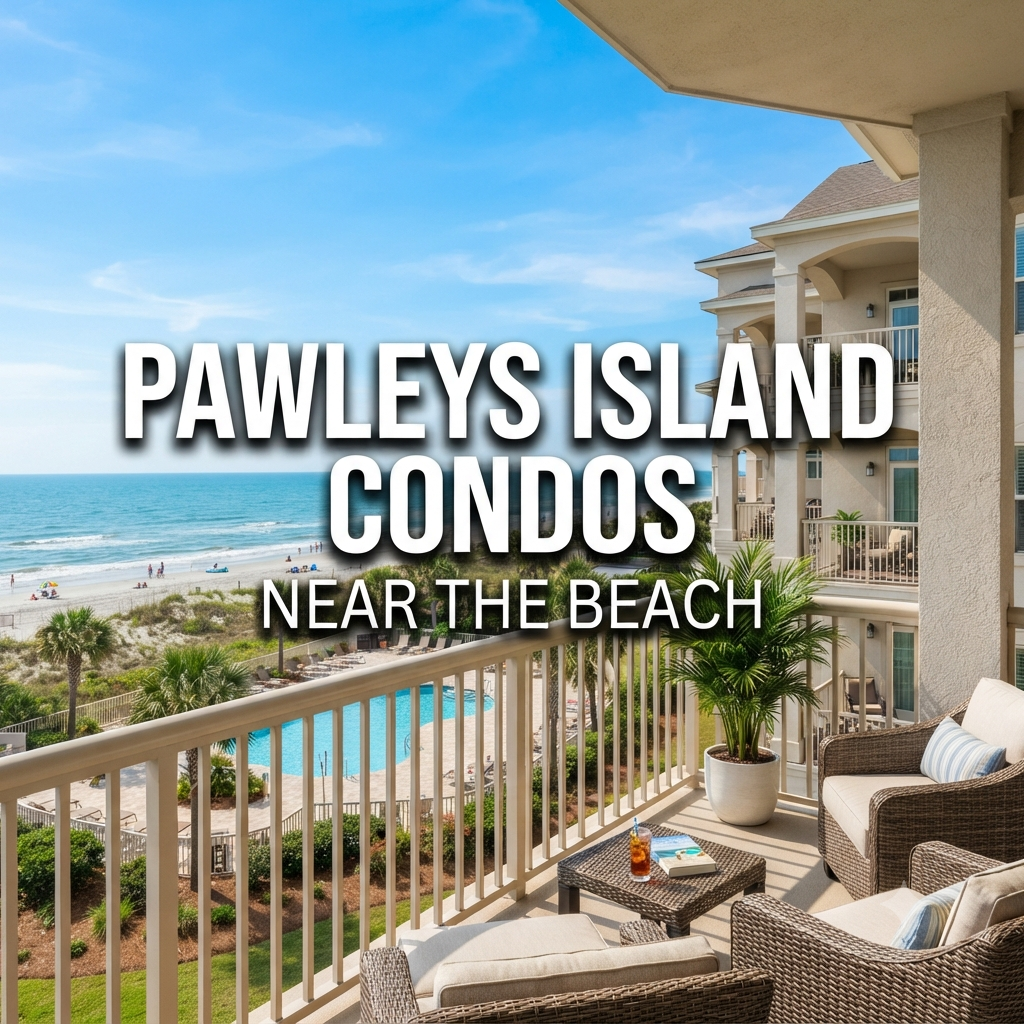
Pawleys Island Condos Near the Beach

Why Pawleys Island Condos Near the Beach Are in Demand

Pawleys Island has long been known for its understated, refined coastal character. Buyers who choose Pawleys Island over other Grand Strand markets typically want a quieter pace, mature landscaping, and a sense of place that has resisted the high-density growth seen further north. For buyers exploring Pawleys Island real estate, condos near the beach offer a way to enjoy that lifestyle without the maintenance demands of a single-family home.

The combination of a strong lifestyle, limited new development, and consistent demand makes Pawleys Island condos near the beach a steady choice for snowbirds, second-home buyers, and retirees.

What Buyers Look for in Pawleys Island Condos Near the Beach

Beach Access and Walkability

The most attractive Pawleys Island condos pair short distances to the beach with the area's natural quiet. Buyers want walkability without high-rise density, and many of the area's beach-adjacent condos deliver exactly that balance.

Lock-and-Leave Convenience

Snowbirds and second-home buyers value the simplicity of condo ownership. Well-managed buildings with reliable upkeep make seasonal use easy, which is exactly the lifestyle many Pawleys Island buyers are looking for.

Long-Term Value and Resale

Pawleys Island's identity protects long-term value. Condos near the beach hold their value because the supply is limited, the demand is consistent, and the lifestyle remains in steady demand from buyers who specifically want this area instead of busier markets.

Top Pawleys Island Condos Near the Beach

Avian Forest Condos

Avian Forest Condos appeal to buyers who want a quieter setting with easy access to the beach, dining, and the broader Pawleys Island lifestyle. The community attracts snowbirds and second-home buyers who value low-maintenance ownership in a calm setting.

Mingo Condos

Mingo Condos offer another strong option for buyers seeking a manageable footprint and easy access to the Pawleys Island coast. The community works well for retirees and lifestyle buyers who want privacy without isolation.

Pawleys Pavilion Condos

Pawleys Pavilion appeals to buyers looking for a condo lifestyle close to the beach with a strong sense of community. The neighborhood draws buyers who want their condo to feel like a home rather than a unit in a tower.

Litchfield Beach Houses

For buyers willing to expand beyond pure condo formats, Litchfield Beach Houses deliver near-beach living with a different ownership profile. Some buyers blend condo shopping with beach house options to find the right balance of cost, lifestyle, and rental potential.

Cottages at Pawleys Island

Cottages at Pawleys Island offer a small-community feel with the character of traditional coastal architecture. Buyers who want the lifestyle of a cottage without committing to a single-family home often find this a satisfying middle path.

Practical Considerations for Pawleys Island Condo Buyers

  • Insurance costs vary by elevation, flood zone, and proximity to the ocean and marsh
  • HOA fees should be evaluated against the reserve balance, recent assessments, and the master insurance policy
  • Short-term rental rules vary community by community, so confirm rental eligibility in writing before buying for income
  • Property tax rates in Georgetown County differ between primary residences and second homes
  • Salt-air and humidity exposure increases maintenance needs for HVAC, sliders, and exterior finishes

None of these factors disqualify a property, but they shape the long-term cost of ownership in meaningful ways.

Pawleys Island Condos Near the Beach

Strategy for Buyers

The smartest Pawleys Island condo buyers lead with lifestyle goals. Snowbirds prioritize low maintenance, secure buildings, and easy seasonal use. Second-home families want a property that feels like an escape and a place to gather. Retirees want a manageable footprint with strong community character. Once those goals are clear, narrowing the choice to a handful of buildings becomes much easier.

Local guidance matters here because Pawleys Island buildings often feel different from their listing photos. Walking the property, reading the HOA documents carefully, and working with an agent who knows the area unit-by-unit is the most reliable path to a confident purchase.

Key Takeaways

Pawleys Island condos near the beach deliver a refined, quieter coastal lifestyle that buyers across the country are specifically looking for. Communities like Avian Forest, Mingo, Pawleys Pavilion, Litchfield Beach Houses, and Cottages at Pawleys Island each offer a different blend of size, setting, and ownership style. Buyers who lead with lifestyle goals, evaluate HOA finances carefully, and confirm rental rules in writing are best positioned to land a property that delivers on both daily lifestyle and long-term value in one of South Carolina's most distinctive coastal markets.

About Greg Harrelson

Greg Harrelson is a seasoned Realtor® with more than 30 years of experience serving the Myrtle Beach and Grand Strand markets. As the founder of Century 21 The Harrelson Group, Greg has built his career helping buyers, sellers, and investors achieve success in every corner of the coastal Carolina real estate market. His expertise spans residential homes, investment properties, land development, and coastal condos. Known for his deep local knowledge, innovative marketing strategies, and commitment to personal service, Greg consistently helps clients reach their real estate goals while navigating the ever-changing market with confidence and precision.

Posted in For Buyers