Buying property near protected wetlands in South Carolina can be both an opportunity and a challenge. From scenic marsh views in the Lowcountry to quiet, nature-rich inland parcels, these properties often appeal to homebuyers, investors, and developers alike. However, wetlands come with strict regulations, environmental considerations, and potential financial implications that every buyer should understand before closing.
This guide breaks down what you need to know to make an informed real estate decision—and avoid costly surprises.
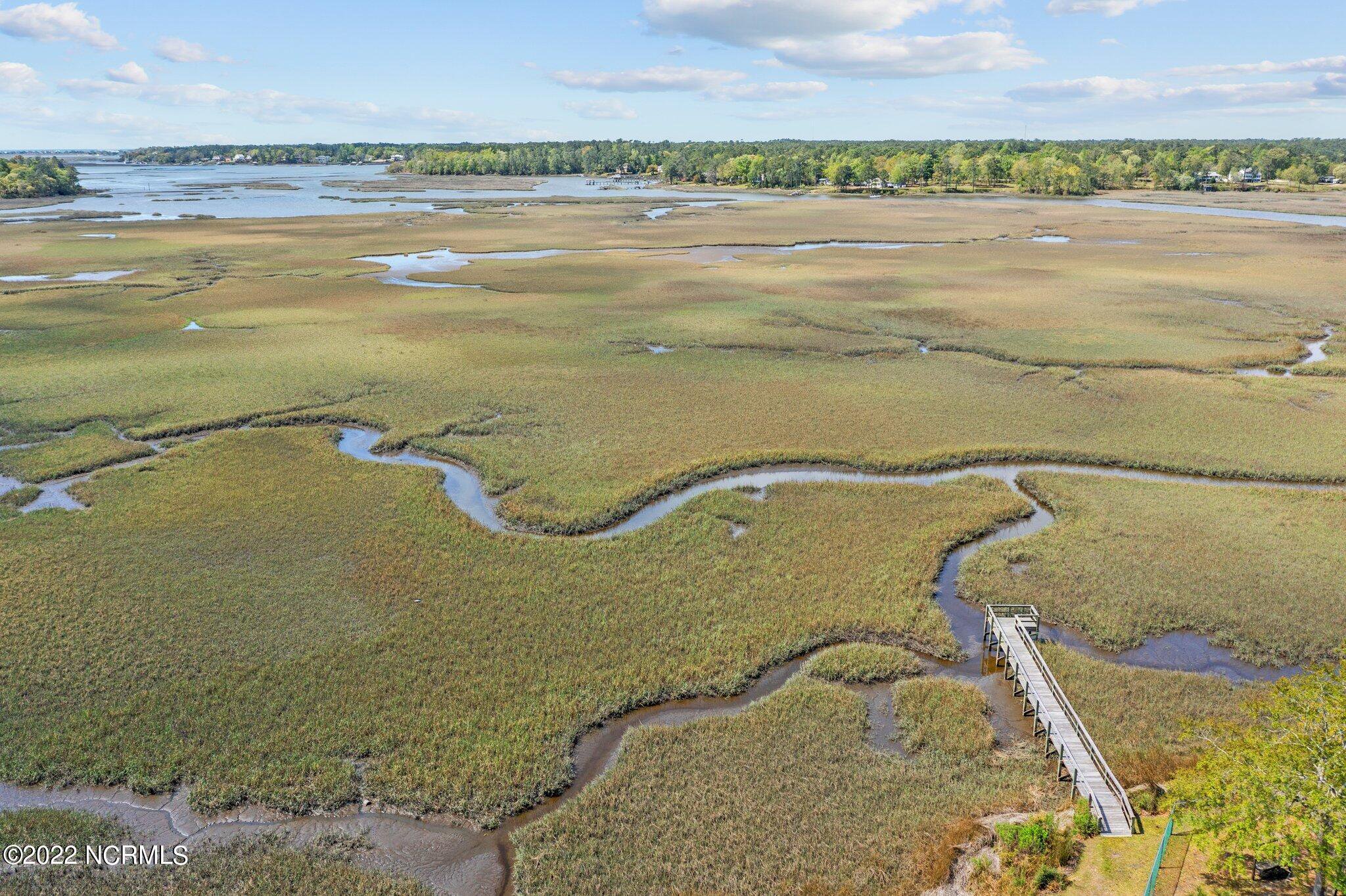
What Are Protected Wetlands?
Wetlands are areas where water saturates the soil either permanently or seasonally. In South Carolina, they are protected under a combination of federal, state, and local regulations due to their ecological importance.
These areas provide:
- Flood control and stormwater absorption
- Water filtration and improved water quality
- Wildlife habitat and biodiversity support
Because of these benefits, wetlands are regulated under laws such as the Clean Water Act, and activities like filling, dredging, or building may require permits.
Why Wetlands Matter in South Carolina Real Estate
South Carolina—especially coastal regions like Charleston, Beaufort, and Hilton Head—has extensive wetland systems. With ongoing development, local governments are tightening oversight.
For example, the town of Bluffton recently enacted a wetlands protection ordinance requiring permits for any disturbance, ensuring local-level regulation even when federal protections shift.
For buyers and investors, this means due diligence is more important than ever.
1. Not All Land Is Buildable
One of the biggest misconceptions buyers have is assuming that owning land means you can build on all of it.
In reality:
- Wetlands may significantly reduce usable acreage
- You may be restricted from clearing, grading, or building
- Even access (like driveways) may require permits
Wetlands are classified based on soil, vegetation, and hydrology, and protected areas may not always be visibly wet.
2. You May Need a Wetlands Delineation
Before purchasing or developing land near wetlands, a professional wetlands delineation is often required.
This process:
- Identifies exact wetland boundaries
- Determines which areas are regulated
- Is reviewed by agencies like the U.S. Army Corps of Engineers and state regulators
In South Carolina, delineation is typically necessary for properties near marshes, rivers, or coastal zones before development approvals can proceed.
3. Permits Can Be Time-Consuming and Expensive
If your plans involve impacting wetlands—even minimally—you’ll likely need permits.
This can include:
- Filling land
- Installing utilities or septic systems
- Building roads or driveways
Permits are reviewed on a case-by-case basis and must be approved before any work begins.
In some cases, you may also need mitigation, meaning:
- Restoring wetlands elsewhere
- Purchasing mitigation credits
These costs can significantly affect your project budget and timeline.
4. Financing and Insurance May Be More Complex
Properties near wetlands can raise red flags for lenders and insurers.
Potential challenges include:
- Higher flood risk (even outside FEMA flood zones)
- Additional inspections or environmental reports
- Limited financing options for heavily restricted land
Some lenders may hesitate if a large portion of the property is unbuildable.
5. Property Value: Opportunity vs. Limitation
Wetlands can both increase and decrease property value depending on the buyer.
Potential Benefits:
- Scenic views and privacy
- Protected surroundings (less future development nearby)
- Appeal to eco-conscious buyers
- Potential Drawbacks:
- Limited development potential
- Higher upfront due diligence costs
- Ongoing restrictions on land use
6. Environmental and Lifestyle Considerations
Living near wetlands isn’t just about regulations—it’s also about lifestyle.
You may experience:
- Increased wildlife (birds, reptiles, amphibians)
- Seasonal insects or moisture issues
- Drainage or soil stability concerns
However, many homeowners value the natural beauty and tranquility that wetlands provide.
7. Local Regulations Are Evolving
Recent legal changes at the federal level have shifted some responsibility to state and local governments.
As a result:
- Counties and municipalities in South Carolina are adopting stricter rules
- Regulations may vary significantly by location
- Future changes could impact property use or value
Final Thoughts
Buying near protected wetlands in South Carolina isn’t a dealbreaker—it’s a specialized investment opportunity. With the right knowledge and guidance, these properties can offer unique lifestyle benefits and long-term value.
However, success depends on understanding the regulatory landscape, environmental constraints, and financial implications upfront.