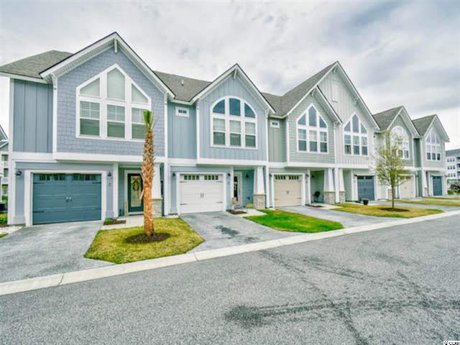
When you purchase a townhouse, the process is different than when you buy a single-family home. There are more steps involved and more people involved in the process. In this article, we will outline the steps involved in purchasing a townhouse so that you know what to expect.
The first step in purchasing a townhouse is finding the right property. You will want to consider location, size, and amenities when searching for a townhouse. Once you find a few properties that meet your needs, you will need to get pre-approved for a mortgage. This will give you an idea of how much money you can borrow and what your monthly payments will be.
Once you have been pre-approved for a mortgage, it is time to start negotiating with the sellers. You will want to work with a real estate agent who can help you navigate the negotiation process. It is important to remember that there are many other buyers interested in townhouses, so you need to be prepared to move quickly if an offer is accepted.
Once an offer has been accepted, there are still several steps that need to be completed before the sale is finalized. These include getting a home inspection, ordering a title search, and completing the loan application process. Once everything has been approved, you will sign the paperwork and officially become the owner of your new townhouse!
Understanding the Basics of Townhouse Ownership
When it comes to purchasing a townhouse, there are a few key things that you need to understand in order to make the best decision for you and your family. Here are the basics of townhouse ownership that you should know before beginning the purchase process:
The first thing to understand is that when you purchase a townhouse, you are also purchasing a share of the corporation that owns the property. This means that you will be responsible for paying monthly dues, which go towards maintaining the property and common areas. You will also be required to abide by the rules and regulations set forth by the corporation, so it's important that you're comfortable with those before making a purchase.
Another key aspect of townhouse ownership is that you will be responsible for your own unit, but not the common areas. This means that if something in your unit needs repair or maintenance, it is up to you to take care of it or hire someone to do so. However, if something in the common areas needs repair or maintenance, it is the responsibility of the corporation to take care of it.
It's also important to understand that townhouses are often part of a homeowner's association (HOA). HOAs typically have their own set of rules and regulations that must be followed by all members, so be sure to review these before making a purchase. Additionally, HOAs usually require members to pay monthly or yearly dues, which go towards maintaining common areas and amenities.
Financing Options for a Townhouse Purchase
Assuming you don’t have the cash on hand to outright purchase a townhouse, there are still several financing options available to make your dream home a reality. Here are a few of the most common:
Mortgage - A mortgage is a loan that is secured by the property you are purchasing. This is probably the most common type of financing for a townhouse purchase.
Home Equity Loan - If you have equity in your current home, you may be able to take out a loan against that equity to help finance the purchase of your new townhouse.
Personal Loan - Another option for financing your townhouse purchase is to take out a personal loan from a bank or other lending institution. This can be a good option if you don’t have any equity in your current home or if you have good credit and can qualify for a low-interest rate loan.
Whatever financing option you choose, be sure to shop around and compare interest rates and terms before making any decisions.
Researching Potentially Available Townhouses
There are a few things to keep in mind when researching townhouses that may be available for purchase. The first is to consider your budget. How much can you afford to spend on a townhouse? This will help narrow your search.
Next, think about what you need in a townhouse. What size do you need? How many bedrooms and bathrooms? What kind of layout do you prefer? Once you have an idea of what you're looking for, you can start searching for townhouses that fit your criteria.
To find out if any townhouses are currently available for purchase, you can check with your local real estate agent or search online listings. Once you've found a few potential options, it's time to start doing some research.
First, take a look at the location of the townhouse. Is it in a good neighborhood? There are a number of factors to consider when evaluating a neighborhood, including crime rates, schools, and amenities.
Next, look at the condition of the townhouse. Has it been well-maintained? Are there any major repairs that need to be made? It's important to get an idea of what kind of work might need to be done before making an offer on a property.
Research the HOA fees associated with the townhouse. These fees can add up quickly, so it's important to know how much they are before making an offer on a property.
Making an Offer and Negotiating the Sale Price
When you find a townhouse you like, it’s time to make an offer. If you’re working with a real estate agent, they will help you with this process. If you’re not working with an agent, you can still make an offer by contacting the listing agent directly.
The first step is to submit your offer in writing. The offer should include the purchase price, any contingencies (such as financing or inspections), and your proposed closing date. Once the seller receives your offer, they can choose to accept it, reject it, or counter it.
If the seller accepts your offer, congrats! You’re one step closer to owning your new townhouse. If the seller rejects your offer, they may provide a reason why. If they counter your offer, they will usually suggest a higher purchase price.
It’s now up to you to decide whether to accept the counteroffer or not. If you do accept it, congrats again! You’ve just negotiated the sale price of your new townhouse.
Having a Home Inspection Conducted
When you are in the process of purchasing a townhouse, one of the things that you will need to do is have a home inspection conducted. This is important because you want to make sure that the home is in good condition and that there are no major problems that need to be fixed.
The home inspector will go through the entire townhouse and check for any issues. They will look at the structure of the townhouse, as well as all of the systems and appliances. If they find any problems, they will make a report and give it to you.
Once you have received the report from the home inspector, you can then decide if you want to proceed with the purchase of the townhouse or not. If there are major problems with the townhouse, you may want to walk away from the deal. However, if the problems are minor, you may be able to negotiate with the seller to have them fix the issues before you close on the deal.
Closing on the Purchase of a Townhouse
Assuming you have found the perfect townhouse and are ready to move forward with the purchase, there are still a few steps to take before the sale is final.
First, you will need to secure financing if you are not paying for the townhouse in cash. If you are working with a lender, they will likely require a home appraisal to ensure the property is worth the amount you are borrowing. Once your loan is approved, your lender will provide you with a loan estimate detailing the closing costs associated with your mortgage.
Next, it’s time to negotiate the purchase price and any repairs that may need to be made with the seller. Once an agreement is reached, both parties will sign a purchase agreement that outlines all of the details of the sale including the agreed-upon price, any repairs that will be made, and when the closing will take place.
The next step is ordering a title search which ensures there are no outstanding claims or liens on the property. The title company will also ensure that the property taxes are up to date and paid in full.
Once all of these things have been taken care of, it’s time for closing! Both buyers and sellers will sign all of the necessary paperwork at this time and transfer ownership of the property. The buyer will also pay any remaining closing costs at this time.
Congratulations, you are now a homeowner!
Final Thoughts
Purchasing a townhouse can be an exciting, but also daunting, experience. By researching the available options and understanding the process involved in purchasing a townhouse, you can ensure that your investment is sound and will provide you with years of happy living. Additionally, by enlisting the help of experienced professionals such as real estate agents and mortgage brokers, you can better understand your rights and responsibilities when it comes to buying a new home. With all these tips in mind, we hope that this article has helped demystify the process of purchasing a townhouse so that you can start searching for your dream home today!