Explore the Myrtle Beach Real Estate Blog

Find exactly what you need, whether you're buying, selling, or just getting to know the Grand Strand.

01

Buying a Home

First-time buyer guides, financing tips, and how to win in the Myrtle Beach market.

02

Selling a Home

Pricing, staging, and the marketing that actually gets coastal homes sold.

03

Lifestyle and Communities

Coastal living, local communities, and what day-to-day life is really like along the Grand Strand.

04

Market Updates

The latest on prices, inventory, and what it means for you.

05

Moving & Relocation

Relocating to the coast? Tips on the move, schools, and settling into the Grand Strand.

06

Offer to Close

Step-by-step guides to buying and selling on the Grand Strand — from your first offer through closing day.

Aug. 15, 2023

1501 S Ocean Blvd. Unit 803, North Myrtle Beach, SC 29582


Looking for your dream oceanfront getaway? Look no further! This beautiful one-bedroom eighth floor Oceanfront condo in Carolina Reef is located in the Crescent Beach section of North Myrtle Beach. The unit was remodeled in this year with new LVP flooring in kitchen, living area, and bathroom. Other updates done this year include new light fixtures, new kitchen cabinets, new kitchen countertops, new window treatments, a new microwave, and new paint throughout the unit. The condo is also being sold fully furnished with brand new furniture selected from Rooms to Go. Imagine waking up to breathtaking panoramic views of the sparkling blue ocean right from your private balcony. After enjoying a day at the beach, you can go relax in the oceanfront pool and spa. Carolina Reef is also situated near some the Myrtle Beach area's finest dining, tourist attractions, shopping, and golf. Don't miss out on this incredible opportunity to experience beachfront living at its finest. This condo would make an excellent vacation home or investment property. Don't wait, schedule your showing today!


Browse more property for sale on our easy to use website: www.c21theharrelsongroup.com

Posted in
Aug. 14, 2023

Should you cut your commission?

Introduction

If you're thinking about cutting your commission, there are a few things you should consider first. In this blog post, we'll explore the pros and cons of cutting your commission, so you can make an informed decision for your business.

Comissions

What is Commission?

As a real estate agent, you're probably wondering if you should cut your commission. After all, the standard commission is 6%. That's a lot of money!

So, what is commission? Commission is the fee that real estate agents charge for their services. It's typically a percentage of the home's sale price, and it's paid by the seller at closing.

The standard commission is 6%, but some agents charge more or less depending on their experience, the type of property, and other factors. For example, luxury home sales often come with a higher commission because they require more work.

Ultimately, it's up to you to decide what you want to charge for your services. If you're thinking about cutting your commission, make sure you weigh all the pros and cons first.

Pros and Cons of Cutting Your Commission

The debate of whether or not to cut one's commission is a common discussion among real estate professionals. There are many reasons why an agent may choose to reduce their commission, such as a slow market or needing to compete with other agents who have lower fees. However, there are also many potential drawbacks to cutting your commission, such as less money for marketing and advertising your listings, or having difficulty attracting buyers who are looking for the best deal.

When making the decision of whether or not to cut your commission, it is important to consider both the pros and cons. Some pros of reducing your fee may include:

- More affordable for buyers in a slower market

- Can help you compete with lower-priced agents

- May attract more buyers who are price sensitive

However, there are also some potential cons to reducing your fee which include:

- Less money for marketing and advertising your listings

- May be viewed as being desperate or discounting your services

- Buyers may perceive that you are not worth full commission if you reduce your fee

Why You Should Consider Cutting Your Commission

If you're thinking about reducing or eliminating your commission, there are a few things you should consider. First, cutting your commission may make it difficult to attract and retain good agents. Second, if you do cut your commission, be sure to do so in a way that doesn't disadvantage your lower-producing agents. Keep in mind that cutting your commission could have an impact on your bottom line. If you're not careful, you could end up losing money in the long run.

How to Cut Your Commission Without Hurting Your Bottom Line

As a business owner, you are constantly looking for ways to improve your bottom line. One way you may be considering is cutting your commission. However, before you do so, there are a few things you need to take into consideration.

First, consider the impact that cutting your commission will have on your sales team. If you cut their commission too much, they may be less motivated to sell. This could lead to lower sales and ultimately hurt your bottom line.

Second, think about how your customers will react if you cut your commission. They may be less likely to do business with you if they feel like you are not being fair to your employees.

Consider the competition. If your competition is not cutting their commission, they may have an advantage over you.

If you decide to cut your commission, do so carefully and make sure it does not hurt your bottom line in the process.

Alternatives to Cutting Your Commission

As a real estate agent, you may be considering cutting your commission in order to attract more business. However, there are a few things to consider before doing so.

Understand that cutting your commission will likely mean less money in your pocket. If you're only getting paid 3% on a $300,000 home, that's just $9,000 compared to the industry standard of 6%. So if you do decide to cut your commission, make sure you're still making enough to cover your costs and live comfortably.

Be aware that cutting your commission may not actually result in more business. In fact, it could actually turn away potential clients who perceive you as being less professional or experienced. If you do decide to go this route, be sure to communicate clearly and confidently why you're doing so.

Consider alternatives to cutting your commission altogether. You could offer a discounted rate for buyers who use your services exclusively, or for clients who are referred by another satisfied customer. You could also offer other value-added services such as home staging or help with the negotiation process. By thinking outside the box, you can still attract business without having to sacrifice your earnings potential.

Conclusion

Ultimately, whether or not you should cut your commission is a personal decision that is up to you based on your individual financial goals and needs. There are pros and cons to both sides of the debate, so it's important to take the time to weigh them out and determine what makes the most sense for your particular situation. Whatever option you choose, remember that knowledge is power - make sure to do research before making any decisions in order to ensure that whatever choice you make ends up being a good one.


Aug. 11, 2023

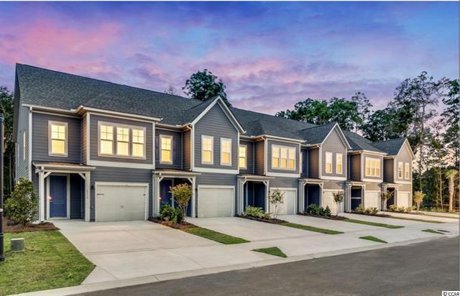
The process of purchasing a townhouse

Townhouse Ownership

When you purchase a townhouse, the process is different than when you buy a single-family home. There are more steps involved and more people involved in the process. In this article, we will outline the steps involved in purchasing a townhouse so that you know what to expect.

The first step in purchasing a townhouse is finding the right property. You will want to consider location, size, and amenities when searching for a townhouse. Once you find a few properties that meet your needs, you will need to get pre-approved for a mortgage. This will give you an idea of how much money you can borrow and what your monthly payments will be.

Once you have been pre-approved for a mortgage, it is time to start negotiating with the sellers. You will want to work with a real estate agent who can help you navigate the negotiation process. It is important to remember that there are many other buyers interested in townhouses, so you need to be prepared to move quickly if an offer is accepted.

Once an offer has been accepted, there are still several steps that need to be completed before the sale is finalized. These include getting a home inspection, ordering a title search, and completing the loan application process. Once everything has been approved, you will sign the paperwork and officially become the owner of your new townhouse!

Understanding the Basics of Townhouse Ownership

When it comes to purchasing a townhouse, there are a few key things that you need to understand in order to make the best decision for you and your family. Here are the basics of townhouse ownership that you should know before beginning the purchase process: 

The first thing to understand is that when you purchase a townhouse, you are also purchasing a share of the corporation that owns the property. This means that you will be responsible for paying monthly dues, which go towards maintaining the property and common areas. You will also be required to abide by the rules and regulations set forth by the corporation, so it's important that you're comfortable with those before making a purchase. 

Another key aspect of townhouse ownership is that you will be responsible for your own unit, but not the common areas. This means that if something in your unit needs repair or maintenance, it is up to you to take care of it or hire someone to do so. However, if something in the common areas needs repair or maintenance, it is the responsibility of the corporation to take care of it. 

It's also important to understand that townhouses are often part of a homeowner's association (HOA). HOAs typically have their own set of rules and regulations that must be followed by all members, so be sure to review these before making a purchase. Additionally, HOAs usually require members to pay monthly or yearly dues, which go towards maintaining common areas and amenities.

Financing Options for a Townhouse Purchase

Assuming you don’t have the cash on hand to outright purchase a townhouse, there are still several financing options available to make your dream home a reality. Here are a few of the most common:

Mortgage - A mortgage is a loan that is secured by the property you are purchasing. This is probably the most common type of financing for a townhouse purchase.

Home Equity Loan - If you have equity in your current home, you may be able to take out a loan against that equity to help finance the purchase of your new townhouse.

Personal Loan - Another option for financing your townhouse purchase is to take out a personal loan from a bank or other lending institution. This can be a good option if you don’t have any equity in your current home or if you have good credit and can qualify for a low-interest rate loan.

Whatever financing option you choose, be sure to shop around and compare interest rates and terms before making any decisions.

Researching Potentially Available Townhouses

There are a few things to keep in mind when researching townhouses that may be available for purchase. The first is to consider your budget. How much can you afford to spend on a townhouse? This will help narrow your search.

Next, think about what you need in a townhouse. What size do you need? How many bedrooms and bathrooms? What kind of layout do you prefer? Once you have an idea of what you're looking for, you can start searching for townhouses that fit your criteria.

To find out if any townhouses are currently available for purchase, you can check with your local real estate agent or search online listings. Once you've found a few potential options, it's time to start doing some research.

First, take a look at the location of the townhouse. Is it in a good neighborhood? There are a number of factors to consider when evaluating a neighborhood, including crime rates, schools, and amenities.

Next, look at the condition of the townhouse. Has it been well-maintained? Are there any major repairs that need to be made? It's important to get an idea of what kind of work might need to be done before making an offer on a property.

Research the HOA fees associated with the townhouse. These fees can add up quickly, so it's important to know how much they are before making an offer on a property.

Making an Offer and Negotiating the Sale Price

When you find a townhouse you like, it’s time to make an offer. If you’re working with a real estate agent, they will help you with this process. If you’re not working with an agent, you can still make an offer by contacting the listing agent directly. 

The first step is to submit your offer in writing. The offer should include the purchase price, any contingencies (such as financing or inspections), and your proposed closing date. Once the seller receives your offer, they can choose to accept it, reject it, or counter it. 

If the seller accepts your offer, congrats! You’re one step closer to owning your new townhouse. If the seller rejects your offer, they may provide a reason why. If they counter your offer, they will usually suggest a higher purchase price. 

It’s now up to you to decide whether to accept the counteroffer or not. If you do accept it, congrats again! You’ve just negotiated the sale price of your new townhouse.

Having a Home Inspection Conducted

When you are in the process of purchasing a townhouse, one of the things that you will need to do is have a home inspection conducted. This is important because you want to make sure that the home is in good condition and that there are no major problems that need to be fixed.

The home inspector will go through the entire townhouse and check for any issues. They will look at the structure of the townhouse, as well as all of the systems and appliances. If they find any problems, they will make a report and give it to you.

Once you have received the report from the home inspector, you can then decide if you want to proceed with the purchase of the townhouse or not. If there are major problems with the townhouse, you may want to walk away from the deal. However, if the problems are minor, you may be able to negotiate with the seller to have them fix the issues before you close on the deal.

Closing on the Purchase of a Townhouse

Assuming you have found the perfect townhouse and are ready to move forward with the purchase, there are still a few steps to take before the sale is final. 

First, you will need to secure financing if you are not paying for the townhouse in cash. If you are working with a lender, they will likely require a home appraisal to ensure the property is worth the amount you are borrowing. Once your loan is approved, your lender will provide you with a loan estimate detailing the closing costs associated with your mortgage. 

Next, it’s time to negotiate the purchase price and any repairs that may need to be made with the seller. Once an agreement is reached, both parties will sign a purchase agreement that outlines all of the details of the sale including the agreed-upon price, any repairs that will be made, and when the closing will take place. 

The next step is ordering a title search which ensures there are no outstanding claims or liens on the property. The title company will also ensure that the property taxes are up to date and paid in full. 

Once all of these things have been taken care of, it’s time for closing! Both buyers and sellers will sign all of the necessary paperwork at this time and transfer ownership of the property. The buyer will also pay any remaining closing costs at this time. 

Congratulations, you are now a homeowner!

Final Thoughts

Purchasing a townhouse can be an exciting, but also daunting, experience. By researching the available options and understanding the process involved in purchasing a townhouse, you can ensure that your investment is sound and will provide you with years of happy living. Additionally, by enlisting the help of experienced professionals such as real estate agents and mortgage brokers, you can better understand your rights and responsibilities when it comes to buying a new home. With all these tips in mind, we hope that this article has helped demystify the process of purchasing a townhouse so that you can start searching for your dream home today!


Posted in For Buyers
Aug. 9, 2023

Why do I have to put up a deposit when renting a home?

Introduction to Deposits for Home Rentals

Home Rentals

When you're looking for a place to rent, you may be asked to put up a deposit. This is usually equal to one month's rent, and it's intended to cover any damages that occur during your tenancy. The deposit is usually refundable at the end of your lease, provided there's no damage to the property.

So why do landlords require a deposit? It's simple: they want to protect their investment. By requiring a deposit, landlords can be sure that they won't be left footing the bill if you damage the property or don't pay your rent. And in some cases, the deposit may even be used to cover the cost of cleaning or repairs if you leave the unit in less-than-perfect condition.

While it may seem like an extra expense, putting up a deposit is simply part of the process of renting a home. In most cases, it's refundable at the end of your lease provided there's no damage to the unit. So take comfort in knowing that your deposit is there to protect both you and your landlord in case of any problems that may arise during your tenancy.

Reasons Why Landlords Require Deposits

When you move into a new rental home, your landlord may require you to put up a deposit. This deposit is usually equal to one month's rent, and it's designed to protect the landlord in case you damage the property or don't pay your rent on time.

Some landlords may also keep your deposit in an interest-bearing account, so you can earn a little bit of money on it while you're living in the rental.

Here are some of the most common reasons why landlords require deposits:

To cover damages: If you damage the property during your tenancy, your landlord may use your deposit to cover the cost of repairs.

To cover missed rent: If you fail to pay your rent on time, your landlord may use your deposit to cover the missed payments.

To ensure that you have skin in the game: A deposit shows that you're serious about renting the property and that you have some financial skin in the game. This can help to deter tenants who might otherwise neglect their responsibilities.

To give the landlord some peace of mind: Knowing that they have a deposit from each tenant can help a landlord sleep better at night!

Types of Deposits Required for Home Rentals in Myrtle Beach

Security deposits are a common requirement when renting a home, and Myrtle Beach is no exception. The amount of the deposit varies but is typically equivalent to one month's rent. In some cases, the deposit may be higher if the landlord requires the last month's rent in advance.

The purpose of the security deposit is to protect the landlord in case of damage to the property or if the tenant fails to pay rent. The deposit is usually held in a separate account and is refunded to the tenant at the end of the lease, minus any damages or unpaid rent.

Benefits of Putting up a Deposit

When you put up a deposit, you are essentially creating a financial cushion for your landlord. If you damage the property or fail to pay rent, the deposit can be used to cover the cost of repairs or back rent. In some cases, the deposit may even be forfeited if you violate the terms of your lease. While it may seem like an inconvenience to have to come up with a deposit, it is actually in your best interest as a tenant.

How Much do I Need to Put Down?

When you're renting a home, you'll likely have to put down a deposit. This deposit is usually equal to one month's rent, and it's designed to protect the landlord in case you damage the property or don't pay your rent. The deposit is also meant to give the landlord some peace of mind knowing that they won't be left high and dry if something goes wrong.

In most cases, you'll need to pay your deposit when you sign your lease. This means that you'll need to have the full amount available at the time you move in. If you can't come up with the entire amount, you may be able to work out a payment plan with your landlord. However, keep in mind that most landlords will only accept a deposit in the form of cash or a certified check.

If everything goes well and you don't damage the property or miss any rent payments, you should get your deposit back when you move out. Be sure to get a receipt from your landlord confirming that they received your deposit and outlining how it will be returned to you. This will help ensure that there are no problems getting your money back when the time comes.

Alternatives to Putting Down a Deposit

No one likes having to come up with a chunk of money for a deposit when they're already strapped for cash, but unfortunately, it's often a required part of renting a home. If you're wondering if there are any alternatives to putting down a deposit, the answer is unfortunately not usually.

However, some landlords or management companies may be willing to work with you if you can't afford the standard deposit. In these cases, they may be willing to allow you to pay a higher monthly rent in lieu of a deposit. Or, they may allow you to pay the deposit over time instead of all at once.

If you're struggling to come up with the money for a deposit, talk to your potential landlord or management company about these alternatives. They may be more flexible than you think!

Conclusion

As you can see, a security deposit is an important part of the rental process. It serves as a way for landlords to protect their property and ensure that tenants are taking care of it. While this might seem like an extra expense upfront, it can save you money in the long run if something unexpected happens at your rental home. Hopefully, this article has helped shed light on why deposits are necessary in the renting process so that you can make more informed decisions when renting your next home. 


Aug. 7, 2023

Should I Buy New Construction or An Existing Home?

What’s The Difference in New Construction Versus an Existing Home?

New Construction vs Existing Home

New construction and existing homes offer contrasting features that appeal to different homebuyers. When it comes to new construction, you have the opportunity to customize your dream home from start to finish. You can choose the layout, and finishes, and even select specific amenities that suit your lifestyle. On the other hand, existing homes come with a unique charm and character that has stood the test of time.

One key difference between a new home and an existing home is their age. New constructions are brand-new properties built from scratch while existing homes have been lived in or owned by someone else previously. This distinction often translates into differences in maintenance needs as well. With new construction, you can expect minimal repairs and upgrades initially since everything is fresh and up-to-date. However, existing homes may require more attention in terms of renovations or repairs depending on their age.

Another factor to consider is location options. New construction projects tend to pop up in growing communities or newly developed areas where land is available for development. This means you might have more choices when it comes to selecting a desirable neighborhood or proximity to schools, shopping centers, parks, etc.

In contrast, existing homes are typically located within established neighborhoods with mature trees and an established sense of community already in place.

Additionally, new constructions often incorporate modern energy-efficient features such as double-pane windows, solar panels, and smart home technology.

These elements can contribute significantly towards reducing utility bills over time. You may also want to talk with a local Insurance Agency about property insurance to check on the difference in insurance premiums. The older the home, the more insurance may cost.

On the other side, purchasing an older property may require some updates in order for them to meet current energy efficiency standards, you need take into account potential costs related to insulation, HVAC systems, and appliances upgrade

Ultimately, the decision between buying new construction versus an existing home depends on individual preferences, budgets, and timelines.

Whether you opt for a blank canvas ready for personalization or a house filled with stories waiting to be uncovered, the perfect home is out there waiting for you to discover.

How Long Does It Take to Build A New Home?

Building a new home is an exciting prospect, but one question that often comes up is how long it will take. The timeline for constructing a new home can vary depending on several factors.

The size and complexity of the house play a role in determining how long it will take to build. A smaller, more straightforward design may be completed in a shorter timeframe compared to a larger or custom-designed home.

External factors such as weather conditions and availability of labor and materials can impact the construction timeline. Unforeseen delays may occur due to bad weather or supply chain disruptions.

Additionally, the level of customization desired by the homeowner can also affect construction time. If there are unique features or intricate details that require extra time and attention, it could extend the overall building process.

It's important to note that building permits and inspections can add additional time to the process. These necessary steps ensure that the construction meets local regulations and safety standards.

In general, constructing a new home can take anywhere from several months to over a year. It's crucial for homeowners considering this option to discuss timelines with their builders upfront and have realistic expectations about completion dates.

By understanding these variables involved in building a new home, potential buyers can make informed decisions when weighing their options between new construction versus an existing home.

How Long Does It Take to Buy an Existing Home?

When it comes to buying an existing home, the timeline can vary depending on several factors. First, you'll need to find a suitable property that meets your needs and budget. This may involve searching online listings, attending open houses, and working with a top real estate agent.

Once you've found a home you're interested in purchasing, the next step is making an offer. This typically involves negotiating with the seller and potentially entering into multiple rounds of counteroffers before reaching an agreement.

If your offer is accepted, you'll then enter into the due diligence phase. This is when inspections are conducted to assess the condition of the property and ensure there are no major issues or red flags.

After completing any necessary repairs or negotiations based on inspection findings, you'll move forward with securing financing for your purchase. This can involve obtaining pre-approval from a lender and going through the mortgage application process.

Once your financing is secured, you'll work with your real estate agent and closing attorney to finalize all paperwork and legal requirements for transferring ownership of the property. On closing day, funds are exchanged, documents are signed, and keys are handed over - congratulations! You're now officially a homeowner!

The time frame for buying an existing home can vary greatly depending on these various stages of the process as well as external factors such as market conditions and availability of properties in your desired location. It is common to be able to close on an existing home in 45 days. It's important to be patient throughout this journey as finding your perfect home takes time but is ultimately worth it in the end!

Should I Use a Real Estate Agent?

When it comes to buying a home, whether new construction or an existing property, the question of whether or not to use a real estate agent often arises. While some buyers may feel confident navigating the process on their own, there are several reasons why working with a professional can be beneficial.

First and foremost, real estate agents have experience and expertise in the industry. They understand the ins and outs of the buying process and can guide you through each step. From finding potential properties that match your criteria to negotiating the best price, they have your best interests at heart.

Additionally, real estate agents have access to a wide network of resources. They know which lenders offer competitive rates for mortgages and can connect you with reliable inspectors and contractors if needed. This network can save you time and effort by streamlining the entire home-buying process.

Furthermore, using a real estate agent provides peace of mind. Buying a home is one of the biggest financial investments most people make in their lifetime. Having someone knowledgeable by your side ensures that all necessary paperwork is completed correctly and that any potential issues are addressed promptly.

While it is possible to buy a new construction or existing home without using an agent, utilizing their services offers numerous benefits. From their expertise to their extensive network of resources, working with a real estate agent can simplify the buying process and give you confidence in your decision.

Final Thought: There are millions of happy home buyers that chose new construction and millions that chose an existing home. It is very rare that a buyer is unhappy with their decision. We recommend that you look at both options with your agent and depending on how you feel…make a choice. Happy House Hunting!

Posted in For Buyers
Aug. 4, 2023

Why Suburban Life Provides the Perfect Balance for Many Families

Introduction to Suburban Living

Suburban Living

Assuming you would like a detailed answer for the subheading "Introduction to Suburban Living" of the blog article "Why Suburban Life Provides the Perfect Balance for Many Families": 

While city living has its perks, many young families are finding that the suburbs offer the perfect balance of peace and quiet while still being close enough to the action. If you’re considering a move to the suburbs, here’s what you need to know about suburban living.

One of the biggest draws of suburban living is more space. In the suburbs, you’re not cramped up in an apartment or townhome. You likely have your own yard and maybe even a driveway or garage. This extra space is great for families with young children who need room to run around and explore. It also gives you room to entertain guests and host gatherings without being on top of your neighbors.

Another big selling point of suburban living is safety. When you live in the suburbs, you’re typically not dealing with the same level of crime as you would in a big city. This can be a huge relief for parents who want their kids to be able to play outside without having to worry about them. Of course, no place is completely free of crime, but suburbs tend to be much safer than urban areas.

Benefits of Suburban Living

There are many benefits of suburban living that appeal to families. One of the biggest advantages is the amount of space that is available. Suburbs generally have larger yards and more square footage than inner-city homes. This allows children to have a place to play and explore without having to worry about traffic or other dangers that are present in more urban areas.

In addition, suburban living often provides access to better schools and educational opportunities. Families can choose to live in areas with top-rated school districts, which can give their children a leg up in life. There are also often more extracurricular activities available in the suburbs, such as sports teams and clubs.

Another big benefit of suburban living is the sense of community that is often present. Neighbors tend to know each other well and look out for one another. This can provide a great support system for families, especially those with young children. There is also usually less crime in the suburbs, making it a safer place to raise a family.

- Proximity to Necessities and Luxuries

For many families, suburban life provides the perfect balance between proximity to necessities and luxuries. Suburbs are often close enough to major cities to offer residents easy access to jobs, restaurants, shopping, and entertainment, but they also provide a more affordable cost of living and a slower pace of life than city living. In addition, suburbs typically have better schools and safety records than inner-city neighborhoods.

- Accessibility to Education, Parks, and Shopping Centers

There are many reasons why suburban life provides the perfect balance for many families. One of those reasons is the accessibility to education, parks, and shopping centers. In the suburbs, you are never far from an excellent school, a beautiful park, or a great shopping center. This makes it easy to get the resources you need without having to travel far.

The suburbs also offer a sense of community that many families crave. There are plenty of opportunities to get involved in your child’s school or join a local sports team. There are also plenty of social events and activities to take part in. Suburban life provides the perfect balance for many families because it offers everything they need to lead a happy and fulfilled life.

- Safety and Quality of Life

When it comes to raising a family, there are many factors to consider. One of the most important is finding a place to call home that provides a safe and comfortable environment for your loved ones. For many families, suburban life is the perfect balance between the hustle and bustle of city living and the isolation of rural areas.

In the suburbs, you’ll find plenty of amenities and activities to keep your family entertained while still being close enough to the city for work and other commitments. And with lower crime rates and better schools, you can rest assured that your family will be safe and secure.

Of course, every family is different and there is no one-size-fits-all solution. But if you’re looking for a place to raise your family that offers a great quality of life, suburban living might just be perfect for you.

Challenges of Suburban Living

While suburban life may seem perfect for many families, there are some challenges that come along with it. One of the biggest challenges is the cost of living. Families who live in suburban areas often have to pay more for their homes and their groceries than those who live in urban areas. Another challenge is the lack of public transportation. Families who live in suburban areas often have to drive their own cars to get around, which can be a hassle and an expense. Suburban areas can sometimes be less safe than urban areas. This is because they are often located further away from police and fire stations, and because there are usually fewer people around to help in an emergency.

Comparing Suburban with Urban and Rural Areas

There are many factors to consider when deciding whether to move to a suburban area or not. Some people prefer the hustle and bustle of an urban area, while others prefer the peace and quiet of a rural area. Here, we will compare the three lifestyle choices so that you can decide which one is right for you.

Suburban areas are often seen as a happy medium between urban and rural areas. They offer the best of both worlds – access to city amenities while still providing a sense of community. Many families choose to live in suburban areas because they feel it provides the perfect balance for their needs.

Urban areas are great for those who enjoy being surrounded by people and activities. There is always something to do in an urban area, and you’re never far from conveniences like shops and restaurants. However, living in an urban area can also be expensive, and it can be difficult to find affordable housing.

Rural areas offer a slower-paced lifestyle that some people find more appealing. There is less traffic and noise, and you’re likely to have more space since houses are spread out further apart. However, living in a rural area means you’ll be further away from conveniences like grocery stores and hospitals.

Conclusion

Suburban life is the perfect balance for many families, providing a sense of security and stability. It allows us to enjoy the convenience of city living while also having access to nature and open spaces. From safety concerns to better educational opportunities, there are many reasons why suburban living might be just what your family needs. So if you’re looking for a place to call home that offers something more than just a downtown lifestyle, then consider taking a look at the suburbs – it could provide the perfect balance for your family! Find Out What Your Home Is Worth


Aug. 2, 2023

Why Curb Appeal Matters: The Importance of Making a Good First Impression

Introduction to Curb Appeal

Curb Appeal

When it comes to your home, first impressions are everything. That’s why curb appeal is so important. Curb appeal is the term used to describe how attractive your home looks from the street. It’s the first thing people see when they drive by, and it can make a big impression on potential buyers, guests, and even passersby.

A home with good curb appeal looks well-maintained, inviting, and stylish. On the other hand, a home with poor curb appeal can be off-putting and even turn people away. If you’re selling your home, or just want to make a good impression, here are some tips for improving your curb appeal:

1. Start with the front door. Your front door is the gateway to your home, so make sure it makes a good impression. Paint it a bright color or add some decorative hardware to make it stand out.

2. Add some greenery. A few well-placed plants can really liven up your yard and add some color. Choose plants that are native to your area and low-maintenance so you don’t have to spend a lot of time taking care of them.

3. Spruce up your walkway. Your walkway is one of the first things people will see when they come to your house, so make sure it’s in good condition.

Benefits of Improving Your Home's Exterior

A home's exterior is the first thing visitors see when they arrive, so it's important to make a good impression. By improving your home's curb appeal, you can increase its value and make it more inviting to potential buyers.

There are many benefits to improving your home's exterior, including:

- Increased curb appeal. A well-maintained home with an updated exterior has more curb appeal than a neglected property. This can make your home more attractive to potential buyers and help you sell it faster.

- Enhanced safety and security. If your home's exterior is in disrepair, it can be unsafe for you and your family. By making improvements, you can reduce the risk of accidents and make your home more secure.

- Improved energy efficiency. Updating your home's insulation, windows, and doors can help reduce your energy bills and make your home more comfortable year-round.

- Reduced maintenance costs. Keeping up with repairs and regular maintenance on your home can be expensive. By making updates now, you can avoid costly repairs down the road.

How to Increase Your Home's Curb Appeal

When it comes to selling your home, first impressions are everything. Buyers will often make a snap judgment about a property based on its curb appeal, and if they don’t like what they see, they’re likely to move on to another listing. 

So, how can you ensure that your home makes a good first impression? Here are a few tips for increasing your home’s curb appeal: 

1. Start with the front door. Your front door is the first thing that buyers will see when they pull up to your home, so it’s important to make sure it looks welcoming and inviting. Give it a fresh coat of paint in a color that complements the rest of your house, and add some stylish hardware if it’s looking dated. 

2. Dress up your windows. Another way to add curb appeal is by dressing up your windows. Clean the glass inside and out, and hang curtains or blinds that complement the style of your home. You can also add shutters or window boxes for an extra touch of charm. 

3. Spruce up your landscaping. First impressions aren’t just about what buyers see when they look at your home; they’re also about what they see when they pull up to your property. Make sure your lawn is freshly mowed and trimmed, and that your flower beds are free of weeds and debris.

Tips for Enhancing the Front of Your Home

When it comes to making a good first impression, your home’s curb appeal is crucial. Whether you’re looking to sell or simply want to make your home the envy of the neighborhood, there are some easy and effective ways to enhance the front of your home.

One of the quickest and most impactful things you can do is tidy up your landscaping. Pull weeds, trim hedges, and add some color with flowers or mulch. Not only will this improve the look of your home, but it will also be much easier to maintain.

Another way to add instant curb appeal is with fresh paint. A new coat of paint on your front door, shutters, or trim can really make a difference. Choose a color that compliments your home’s style and makes a statement.

If you have an old or outdated light fixture, consider replacing it with something more modern. This is a relatively easy and inexpensive update that can really change the look of your front porch or entryway.

Take a good look at your front door itself. Is it in good condition? Does it fit with the style of your home? If not, consider replacing it with something that Better reflects your taste and adds personality to your space.

Landscaping Ideas

When it comes to curb appeal, there are a few key things to keep in mind. First, your landscaping should be well-maintained and free of debris. This first impression lets potential buyers know that you take pride in your home and property.

Second, consider the seasonality of your landscaping. In the spring and summer, bright flowers and green foliage make a welcoming statement. In the fall and winter, plan for color with evergreens and seasonal plantings.

Don’t forget the details! Adding personal touches like a stone path or pretty garden lights can make all the difference in creating an inviting space.

Analyzing the Cost/Benefit of Improving Curb Appeal

When it comes to curb appeal, the old adage “You never get a second chance to make a first impression” rings true. Whether you’re trying to sell your home or simply want to improve its overall look, the importance of curb appeal cannot be overstated.

While the upfront cost of making improvements to your home’s exterior may seem like a lot, the return on investment (ROI) can be significant. In fact, studies have shown that even minor changes can increase a home’s value by up to 10%.

So, what are some of the best ways to boost curb appeal? Here are a few ideas:

1. Start with the front door: A new coat of paint or an eye-catching doormat can make a big difference.

2. Landscaping is key: Trimmed hedges, well-maintained gardens, and neatly laid mulch will all help create an inviting outdoor space.

3. Don’t forget about lighting: Proper lighting can highlight your home’s best features and make it more welcoming after dark.

By taking the time to improve your home’s curb appeal, you’ll not only make a good first impression – you could also see a nice return on your investment down the road.

Conclusion

In conclusion, it is clear that having good curb appeal is incredibly important. Making a great first impression will not only make your home look nicer and more inviting to visitors but can also increase the value of your property in the long run. Adding simple touches such as landscaping and painting your front door or shutters can go a long way towards creating an attractive exterior that you and others will be proud of for years to come.


Posted in For Sellers
Aug. 1, 2023

2511 S Ocean Blvd. Unit 401, Myrtle Beach, SC 29577


Welcome home to beachfront bliss! This charming and updated 3-bedroom, 2-bathroom condo, perched right on the shores of Myrtle Beach, is all about enjoying the good life. Already fully furnished with a chic sense of style, moving in feels like a breeze—you just bring the flip-flops! Step inside to find a welcoming open space that’s big on charm. With a perfect blend of the living, dining, and kitchen areas, it’s easy to imagine both laughter-filled get-togethers and peaceful evenings spent unwinding. The natural light streaming in throughout the day gives the condo a warm, beachy glow that's simply irresistible. Whip up your favorite meals in the beautiful kitchen where every meal feels like a special occasion. The living area is your very own peaceful hideaway. One glance at the mesmerizing Atlantic Ocean views and you'll feel an immediate sense of calm. When it's time to call it a night, retreat to one of the three cozy bedrooms, each a perfect sanctuary for rest and relaxation after soaking up the South Carolina sun.


Browse more property for sale on our easy to use website: www.c21theharrelsongroup.com

Other property for sale:
9550 Shore Dr. Unit 331, Myrtle Beach, SC 29572

Posted in
July 31, 2023

The Importance of Choosing the Right Real Estate Agent When Buying a Home

Introduction to Home Buying

When you're ready to buy a home, one of the most important decisions you'll make is choosing the right real estate agent. A good agent will be familiar with the area you're interested in and will be able to help you find the right home at the right price. A bad agent could end up costing you time and money.

Here are some things to consider when choosing a real estate agent:

- Do they have experience in the area you're interested in?

- Are they familiar with the type of home you're looking for?

- Do they have a good reputation?

- Do they have your best interests in mind?

Take your time and interview several agents before making a decision. Ask them questions about their experience and what they think of the current market conditions. Ultimately, you want to choose an agent that you feel comfortable working with and who you believe will help you find the perfect home.

Benefits of Using a Real Estate Agent

There are many benefits of using a real estate agent when you are buying a home. One of the main benefits is that they have the knowledge and experience to help you find the right home for your needs. They will also be able to negotiate on your behalf to get the best possible price for your new home. Additionally, real estate agents can provide valuable insights into the local market and can offer advice on what to look for in a new home.

Another benefit of working with a real estate agent is that they can help you navigate the often-complex process of buying a home. They will be able to help you with everything from getting pre-approved for a mortgage to finding the perfect property. Additionally, they can answer any questions you have about the purchasing process and can provide guidance and support throughout the entire process.

If you are considering buying a new home, working with a real estate agent is one of the best decisions you can make. With their knowledge, experience, and dedication, they will help you find the perfect home and get it at the best possible price.

How to Choose the Right Real Estate Agent

When you are ready to buy a home, you want to make sure you have the right real estate agent by your side. Here are some tips on how to choose the right one: 

1. Do your research: ask around for recommendations or look for agents with good reviews online.

2. Have a consultation: Meet with potential agents and ask them questions about their experience, what they would do in your situation, etc. 

3. Consider personality and chemistry: it’s important that you feel comfortable with your agent and that they understand your needs. 

4. Look for an expert: choose an agent who knows the area well and has experience with the type of property you are interested in. 

5. Get referrals: ask your agent for referrals from past clients to get a better idea of their work style and level of customer service.

Questions to Ask Your Potential Agents

1. How long have you been a real estate agent? 

2. What is your experience with the type of home I’m looking for? 

3. Have you worked with buyers in my price range before? 

4. Do you have any recent testimonials from happy clients? 

5. What is your strategy for finding the right home for me? 

6. How will you keep me updated on new listings and showings? 

7. What are your thoughts on negotiation tactics? 

8. Will you be available to show me homes on my schedule? 

9. What's your fee structure, and how do rebates work?

Tips for Choosing the Best Real Estate Agent

If you're looking to buy a home, you'll need to find a real estate agent to help you with the process. But how do you know if you're choosing the best real estate agent for your needs? Here are a few tips:

1. Do your research. Ask around for recommendations or look up agents online. Find out what others have said about their experience with the agent you're considering.

2. Interview several agents. Once you've narrowed down your choices, interview each agent to get a sense of their personality and how they would work with you.

3. Consider their experience and credentials. Make sure the agent you choose has experience working in the area where you're looking to buy, and that they have the necessary credentials and licenses.

4. Ask about their marketing strategy. Find out how the agent plans to market your home and make sure it's a plan that you're comfortable with.

5. Get everything in writing. Before you choose an agent, be sure to get all of their fees and commissions in writing so there are no surprises later on down the line

What Makes a Good Real Estate Agent?

A good real estate agent will be knowledgeable about the local market and the trends affecting it. They will be able to guide you through the process of buying a home and help you find the right property for your needs. A good agent will also be able to negotiate on your behalf and get you the best possible price for your new home.

How to Build a Good Relationship with Your Agent

In order to have a good relationship with your agent, it is important to be open and honest with them from the very beginning. You should be clear about what you are looking for in a home, as well as your budget and any concerns you may have. If you feel like your agent is not meeting your needs, don't hesitate to speak up and let them know. Keeping communication lines open will help ensure that both you and your agent are on the same page and working towards the same goal.

Conclusion

Finding the right real estate agent can make all the difference when it comes to buying a home. A good agent will understand your needs and help you find the perfect house for your family while navigating all of the paperwork required in the process. With their knowledge and expertise, they can assist you in making an informed decision that best fits your needs. So if you are looking to buy a home, don't forget to take time to research potential agents and make sure they have what it takes to get you into your dream home!

July 28, 2023

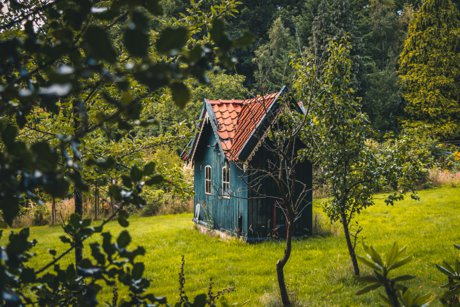
Why Downsizing to a Tiny House Can Boost Your Happiness

Introduction to Tiny Houses

Tiny Houses

When most people think of downsizing, they think of getting rid of their stuff. And while decluttering can be therapeutic, the true key to happiness when downsizing lies in choosing the right dwelling. For an increasing number of people, that means choosing a tiny house.

Living in a tiny house comes with a unique set of benefits that can lead to a happier, more fulfilling life. For starters, tiny houses are more affordable than traditional homes, which frees up money for other pursuits. They're also more eco-friendly since they use less energy and resources. And perhaps most importantly, they force you to live with only the essentials, which can simplify your life and help you focus on what's truly important.

If you're considering downsizing to a tiny house, it's important to do your research and make sure it's the right fit for you. But for many people, trading in their four walls for a smaller space is the best decision they've ever made.

Benefits of Downsizing

When you downsize to a tiny house, you simplify your life and reduce your expenses. This gives you more financial freedom and allows you to pursue your passions. In addition, tiny houses are often more sustainable and environmentally friendly than traditional homes. They use less energy and resources and produce less waste.

Living in a tiny house can also help you connect with nature and slow down the pace of life. You’ll have more time for leisure activities, hobbies, and spending time with loved ones. And because many houses are often located in beautiful settings, you’ll be able to enjoy stunning views and fresh air every day.

Financial Advantages of a Tiny House

When you live in a tiny house, your expenses are often much lower than when you live in a traditional home. This is because you have less space to heat and cool, and you may even be able to do away with furniture that you don't need. In addition, many people who downsize to a tiny house find that they are able to save money on their monthly bills by making changes such as downsizing their cable package or getting rid of their landline phone.

Another financial advantage of living in a tiny house is that it can help you become debt-free sooner. This is because the smaller size of your home means that you can pay off your mortgage faster, and you may also have less credit card debt since you're not spending as much money on unnecessary purchases. In addition, living in a tiny house can give you the opportunity to invest more money in savings or retirement accounts, which can help you build up your financial security over time.

Impact on Your Quality of Life

When you downsize to a tiny house, your quality of life improves in several ways. For one, you have less stuff to take care of and worry about. You also save money on housing, utilities, and other expenses. And because your living space is smaller, you're forced to declutter and live with only the essentials, which can lead to a more peaceful and satisfying life.

Tips for Downsizing

1. Let go of material possessions: One of the best things about downsizing to a tiny house is that it forces you to let go of many material possessions that you no longer need or use. This can be a liberating experience that allows you to focus on what really matters in life.

2. Simplify your life: A tiny house lifestyle can help simplify your life in many ways. For example, you'll likely have less furniture and belongings to take care of, and you may find yourself spending less money overall.

3. Enjoy a more intimate living space: Living in a tiny house gives you the opportunity to enjoy a more intimate living space. This can be great for both couples and families who want to spend more time together.

4. Connect with nature: Many people who downsize to a tiny house do so in order to connect with nature more. If this is something that appeals to you, be sure to choose a location for your tiny house that allows you to do this easily.

5. Save money: Downsizing to a tiny house can also save you a significant amount of money each month, especially if you choose to live off-grid or in an inexpensive location.

How to Design Your Space for Maximum Happiness

When most people think of downsizing, they think of getting rid of clutter and possessions. But there's more to it than that. If you want to achieve maximum happiness in your new tiny home, you need to design your space deliberately for happiness. Here are some tips:

1. Make sure you have plenty of storage. A cluttered space is a stressful space. In a tiny home, every square inch counts, so make sure you have enough storage for all your belongings. This could mean built-in shelves, under-bed storage, or creative solutions like hanging baskets and hooks.

2. Consider your layout carefully. The way your furniture is arranged can have a big impact on how happy you feel in your space. For example, if you have a lot of natural light coming in, arrange your furniture to take advantage of it. If you want to create a cozy reading nook, put a comfy chair in a corner with good lighting.

3. Add some greenery. Plants not only look beautiful, but they also purify the air and boost your mood. Choose low-maintenance plants that will thrive in your space without requiring too much care from you.

4. Incorporate personal touches. Your home should reflect your personality and make you happy just by looking at it. Hang up artwork that you love, display photos of cherished memories, and surround yourself with objects that bring you joy.

What to Do When You Outgrow Your Tiny Home

There are a few things you can do when you outgrow your tiny home. You can either move to a larger home, sell your tiny home, or live in your tiny home and make some changes.

If you decide to move to a larger home, you will need to figure out how to sell your tiny home. This can be done through online listings, through word-of-mouth, or by working with a real estate agent who specializes in selling tiny homes. Once you find a buyer for your tiny home, you will need to pack up all of your belongings and prepare for the move.

If you decide to sell your tiny home, you will need to determine what price to list it for. This can be done by researching comparable sales in your area, speaking with a real estate agent, or using an online pricing tool. Once you have determined the listing price, you will need to promote your tiny home for sale through online listings, yard signs, or open houses.

If you decide to live in your tiny home and make changes, there are a few things you can do to make more space. You can add shelves and storage containers to maximize space, install loft beds or bunk beds, or get rid of unnecessary furniture. You can also consider building an addition to your tiny home if you have the land and zoning approval for it.

Conclusion

Downsizing to a tiny house can be an incredibly rewarding experience that offers many benefits for your life. Not only does it help reduce environmental impact and save you money, but it also provides greater freedom of movement and a simpler lifestyle that often leads to increased happiness. If you're looking for ways to simplify your life, explore the possibilities of downsizing into a tiny home today—it could make all the difference in improving your quality of life.