Explore the Myrtle Beach Real Estate Blog

Find exactly what you need, whether you're buying, selling, or just getting to know the Grand Strand.

01

Buying a Home

First-time buyer guides, financing tips, and how to win in the Myrtle Beach market.

02

Selling a Home

Pricing, staging, and the marketing that actually gets coastal homes sold.

03

Lifestyle and Communities

Coastal living, local communities, and what day-to-day life is really like along the Grand Strand.

04

Market Updates

The latest on prices, inventory, and what it means for you.

05

Moving & Relocation

Relocating to the coast? Tips on the move, schools, and settling into the Grand Strand.

06

Offer to Close

Step-by-step guides to buying and selling on the Grand Strand — from your first offer through closing day.

Oct. 11, 2023

Condo vs. Single-Family Home: Which is right for you?

When it comes to finding the perfect home, one of the first decisions you'll need to make is whether to buy a condo or a single-family home. Both options come with their own set of pros and cons, and it's important to carefully consider your lifestyle, priorities, and financial situation before making a decision.

In this blog post, we will discuss the differences between condos and single-family homes, explore their respective benefits and drawbacks, and ultimately help you determine which type of property is best suited for your needs. But before we dive into those details, let's first take a step back and understand what exactly these terms mean.

  • A condominium (or condo) is a type of housing unit that is part of a larger complex or building. Condos are individually owned but share common areas such as hallways, elevators, parking lots, and amenities like pools or fitness centers. The owner also pays regular fees for the maintenance and upkeep of these shared spaces.
  • A single-family home is an independent residential structure that sits on its own lot with no attached units or shared spaces. These homes offer more privacy and autonomy as they are typically not subject to any homeowner association (HOA) regulations or fees.

So why is it important to understand the difference between condos vs. single-family homes? Well, because this decision can have significant implications on your daily life as well as long-term financial goals.

Comparison of Costs 

When it comes to purchasing a property, one of the biggest factors that buyers consider is the cost. The decision between buying a condo or a single-family home can greatly impact your finances and lifestyle. In this section, we will compare the costs of owning and maintaining both types of properties to help you determine which option is more suitable for you.

1. Purchase Price:

The initial cost of buying a property is often the first consideration for buyers. Condos are usually cheaper than single-family homes due to their smaller size and shared facilities such as common areas, gyms, and pools. On average, condos tend to be 20-30% less expensive than single-family homes in the same area.

2. Homeowners Association (HOA) Fees:

One major difference between owning a condo and a single-family home is the presence of HOA fees. These fees cover maintenance expenses for shared spaces in condos or community amenities such as parks or playgrounds in single-family homes. HOA fees can range from a few hundred dollars to thousands per month, depending on the location and amenities offered. While these fees may seem like an additional expense, they also cover services such as trash collection and landscaping, saving homeowners money in the long run.

3. Property Taxes:

Another significant cost to consider when purchasing a property is property taxes. Generally speaking, condos have lower property tax rates compared to single-family homes because they have smaller lots and fewer square footage that need taxing.

Differences in Ownership Rights and Responsibilities

Let's explore the differences in ownership rights and responsibilities for condos and single-family homes.

Ownership Rights:

Condos: When you purchase a condo, you are essentially buying an individual unit within a larger building or complex. This means that you have ownership rights over your specific unit, but not over the entire building or common areas. These common areas such as hallways, elevators, and amenities (e.g., pool, gym) are owned collectively by all unit owners through a homeowners association (HOA). As a condo owner, you also have the right to use these shared spaces.

Single-Family Homes: On the other hand, when you purchase a single-family home, you own both the house itself and the land it sits on. This gives you complete control over your property and its usage. You can make any changes or renovations to your home without needing approval from anyone else.

Responsibilities:

Condos: With condo ownership comes shared responsibility for maintaining common areas. This means paying monthly HOA fees to cover maintenance costs such as landscaping, repairs for shared facilities like elevators or pools, and insurance for common spaces.

Lifestyle Factors to Consider

One important aspect that can greatly impact your lifestyle is the level of privacy, amenities, and community offered by each option. 

Privacy:

One of the main differences between condos and single-family homes is the level of privacy each offers. Condos typically have shared walls with neighboring units, which can result in less privacy compared to a standalone single-family home. In a condo building, you may hear noise from your neighbors or experience limited outdoor space due to shared balconies or patios. On the other hand, a single-family home allows for more seclusion as it is not attached to any other unit.

Amenities:

Condos often come with a variety of amenities such as swimming pools, fitness centers, concierge services, and more. These amenities can provide convenience and luxury living without having to leave the building. This can be especially beneficial for those with busy lifestyles who want easy access to recreational activities without having to travel far from home.

In comparison, while single-family homes may not offer on-site amenities like condos do, they often have larger yards or outdoor spaces where homeowners can create their own personal oasis. This allows for more freedom in terms of design and use of outdoor spaces such as gardens or BBQ areas.

Pros and Cons of Condo Living vs. Single Family Homes

Pros:

1. Lower Maintenance: One of the biggest perks of living in a condo is that you don't have to worry about exterior maintenance. The Homeowners Association (HOA) takes care of tasks like lawn care, snow removal, and even some repairs.

2. Amenities: Many condos come with desirable amenities such as swimming pools, fitness centers, and community spaces that may not be accessible or affordable in a single-family home.

3. Affordability: Condos are often more affordable than single-family homes due to their smaller size and shared expenses with other unit owners.

4. Security: Most condos have secure entry points and sometimes even security guards on-site, providing peace of mind for residents.

5. Location: Condos are typically located in central areas close to shopping, dining, public transportation, and entertainment options.

Cons:

1. Monthly Fees: With the convenience of having maintenance taken care of by the HOA comes monthly fees that can add up over time.

2. Limited Privacy: Living in close proximity to other units means less privacy compared to owning a single-family home with its own private yard or backyard.

Things to Consider 

Each of these elements plays a crucial role in determining which type of property is the best fit for your lifestyle and needs.

Location:

The location of your potential new home is one of the most important things to consider when making a decision between a condo and a single-family home. Condos are typically found in urban areas or high-density neighborhoods, while single-family homes tend to be located in more suburban or rural areas. 

If you prefer living in the heart of the city with easy access to restaurants, shops, and public transportation, then a condo may be the right choice for you. On the other hand, if you value privacy and space but still want access to nearby amenities, then a single-family home may better suit your needs.

Additionally, it's essential to research the safety and crime rates of each potential location before making your decision. Condos often have security measures in place such as gated entrances or 24-hour surveillance cameras, while single-family homes may not have these added layers of protection.

Future Plans:

Another vital factor to consider when choosing between a condo and a single-family home is your future plans. Are you looking for a long-term investment or just seeking temporary housing? If you plan on staying in one place for an extended period, then purchasing a house may be more suitable as it offers stability and potential equity.


Conclusion with final thoughts and recommendations based on individual needs:

Choosing between a condo and a single-family home can be a tough decision, as both options have their own unique benefits. Ultimately, the right choice for you will depend on your personal preferences and lifestyle.

If you value convenience, low maintenance, and access to amenities, then a condo may be the perfect fit for you. Start your Myrtle Beach Condo search here.

Condos are a great option for individuals or couples who lead busy lives and don't have the time or desire to take care of yard work or home repairs. They also offer access to shared amenities such as pools, fitness centers, and community spaces.

On the other hand, if you prioritize privacy, space, and a sense of ownership over your living space, then a single-family home might be more suitable for you. Single-family homes offer more room for customization and personalization since they are not part of a larger community. They also provide more outdoor space for activities like gardening or entertaining guests. Start your Myrtle Beach Home search here.

When making your decision between these two options, it's important to consider your long-term plans as well. If you see yourself settling down in one place for many years to come and potentially starting a family, then investing in a single-family home may be the better choice. However, if you prefer flexibility and the ability to easily move in the future without having to worry about selling property or finding tenants, then opting for a condo may make more sense.


Oct. 9, 2023

The Hidden Costs of Buying a Home: Beyond the Listing Price.

Buying a home is often considered one of the biggest investments in a person's life. It involves careful planning and budgeting to ensure that the chosen house meets their needs and fits within their financial capabilities. However, many homebuyers tend to overlook the hidden costs associated with purchasing a home, which can have a significant impact on their overall budget. 

Understanding Hidden Costs:

When calculating the cost of buying a home, most people only consider the sale price listed by the seller. However, there are numerous other expenses involved in the process that are not always evident at first glance. These additional expenses are known as hidden costs and can add up quickly, significantly increasing the total amount you will need to pay for your new home.

Types of Hidden Costs:

1. Closing Costs:

Closing costs are fees paid at the time of closing or finalizing the purchase of a property. They typically range from 2% to 5% of the total purchase price and include various charges such as appraisal fees, title search fees, attorney fees, and property taxes.

2. Home Inspection Fees:

Before purchasing a house, it is crucial to get it inspected for any potential issues or repairs that may be needed. A professional home inspector will thoroughly examine all aspects of your future home and provide you with a detailed report outlining any necessary repairs or maintenance required.

Beyond the Listing Price

Homeownership is a dream for many, and with the current real estate market, it may seem like a great time to buy a new home. However, before taking the leap into homeownership, it is important to understand the true cost of owning a home. It goes beyond just the listing price and includes various hidden costs that are often overlooked.

1. Down Payment:

The first major cost of buying a home is the down payment. This is typically 20% of the purchase price and can amount to thousands of dollars. Many buyers often overlook this cost and assume they can put down a lower amount or even no down payment at all. However, insufficient money can result in higher interest rates and mortgage insurance payments.

2. Closing Costs:

In addition to the down payment, there are other fees associated with closing on a house that are known as closing costs. These include a real estate attorney, loan origination fees, title search fees, appraisal fees, and more. On average, these costs can range from 2-5% of the purchase price.

3. Property Taxes:

As a homeowner, you are responsible for paying property taxes which go towards funding local services such as schools and public works projects. These taxes vary depending on where you live but can add up to thousands of dollars each year.

4. Homeowners Insurance:

Insurance is an essential part of protecting your investment in case of any unforeseen circumstances such as natural disasters or accidents on your property. The cost of homeowners' insurance varies.

Ongoing Expenses

When buying a home, the focus is often on the listing price and the down payment. However, there are many ongoing expenses that come with homeownership that can add up quickly and catch new homeowners off guard. In this section, we will discuss 3 common ongoing expenses: mortgage payments, insurance and property taxes.

1. Mortgage Payments:

One of the most significant ongoing expenses for homeowners is their monthly mortgage payments. This is the amount of money you pay each month to your lender for borrowing money to purchase your home. The size of your mortgage payment will depend on several factors such as the interest rate, length of the loan, and down payment amount. It's crucial to consider not only what you can afford in terms of a down payment but also what monthly mortgage payment fits within your budget.

2. Insurance:

Homeowners insurance is another essential expense that comes with owning a home. This type of insurance protects you financially in case of damage or loss to your property due to natural disasters or accidents like fire or theft. The cost of homeowners' insurance varies depending on location, type of coverage selected, and other factors like crime rates in the area.

3. Property Taxes:

Property taxes are another ongoing expense that homeowners must be prepared for when purchasing a home. These taxes are paid annually based on the assessed value of your property by local government agencies such as counties or cities. The amount you pay in property taxes can vary significantly based on where you live and the value of your home.

Unexpected Costs: Repairs and Renovations

When you think of buying a home, the first thing that comes to mind is probably the listing price. However, it's important to remember that there are many other costs associated with purchasing a home. One of the biggest surprises for new homeowners can be unexpected costs for maintenance repairs and renovations.

When looking at homes to buy, it's easy to fall in love with all the beautiful features like hardwood floors, granite countertops, and a spacious backyard. But what often goes unnoticed are potential issues or necessary updates that may not be included in the initial listing price.

Repairs and renovations can range from minor fixes such as replacing a leaky faucet or repainting a room, to major overhauls like replacing a roof or updating outdated plumbing systems. These costs can add up quickly and significantly impact your budget.

One of the main reasons these unexpected costs arise is due to wear and tear on older homes. While they may have charm and character, older homes also come with their own set of challenges. The age of certain appliances, HVAC systems, and structural elements can lead to frequent repairs or replacements.

Even newer homes are not immune to surprise repairs. Oftentimes, builders use cheaper materials in order to cut costs during construction which can result in needing upgrades sooner than expected.

Real Estate Agent Commissions and Appraisal Fees

Hidden fees in the home-buying process can often come as a surprise to first-time home buyers. While it is common knowledge that purchasing a home involves costs beyond the listing price, many people are not aware of all the additional fees and expenses that can add up quickly. 

Real estate agent commissions are one of the most significant hidden fees in the home-buying process. When you hire a real estate agent to help you buy a house, they typically receive a commission from the seller's side at closing. This commission is usually around 5-6% of the final sale price and is split between the buyer's agent and the seller's agent. So, if you purchase a house for $400,000, your real estate agent could potentially earn around $20,000-$24,000 in commission.

While having an experienced real estate agent by your side can be beneficial during the home-buying process, their commission can significantly impact your overall budget. It is essential to keep this cost in mind when determining how much you can afford to spend on a new house. You may want to consider negotiating with your agent for lower commissions.

Ways to Save Money 

To avoid any surprises down the road, it's important to be aware of these hidden costs and have a plan in place to save money on them. Here are some ways to save money on hidden costs when buying a home:

1. Consider all financing options: Most buyers rely on traditional mortgage loans to finance their home purchase, but there are other options available that may offer lower interest rates or better terms. It's worth researching alternatives such as FHA loans or down payment assistance programs that can help you save money on upfront costs.

2. Shop around for homeowners insurance: Insurance is an essential cost when buying a home, but it doesn't have to break the bank. Instead of settling for the first quote you receive from your real estate agent, take some time to compare rates from different insurance companies. You may find significant savings by doing so.

3. Negotiate closing costs: Closing costs can add 2-5% to your total home purchase price, so don't be afraid to negotiate these fees with your lender or seller. Some may be willing to cover certain expenses or reduce fees if you ask.

4. Get multiple quotes from service providers: When it comes time for inspections and appraisals.

The Importance of Budget

Having a realistic and well-thought-out budget can make all the difference in your home-buying journey.

Firstly, having a budget will help you determine how much you can afford to spend on your new home. This includes not only the listing price but also all the additional expenses such as closing costs, property taxes, insurance, and maintenance fees. By setting a budget and sticking to it, you can avoid overspending and getting into financial trouble.

Secondly, creating a budget allows you to prioritize your needs and wants when it comes to purchasing a home. It's essential to have a clear understanding of what features are necessities for you and which ones are nice to have. This will prevent you from falling in love with a property that is outside of your budget simply because it has some luxurious amenities.

Moreover, having a budget gives you more negotiation power when making an offer on a house. When sellers know that you have done your research and have set limits for yourself, they may be more willing to negotiate on the price or cover some of the closing costs. This can save you thousands of dollars in the long run.

Final Thought

Purchasing a home is an exciting and rewarding experience, but it's important to be aware of all the costs associated with buying a home. The listing price may seem like the only cost you need to consider, but there are several other initial costs that you must factor in before making your final decision.

Posted in For Buyers
Oct. 6, 2023

Understanding Mortgages: From types of mortgages to the approval process.

A mortgage is a loan that is used for the purpose of purchasing a property, typically a house. It is an important financial tool that allows individuals to become homeowners without having to pay the full price of the property upfront.

Types of Mortgages: Fixed vs. Adjustable, Conventional vs. Government-backed

When it comes to obtaining a mortgage, there are various options available to potential homebuyers. Two of the main types of mortgages are fixed-rate and adjustable-rate mortgages, while another important distinction is between conventional loans and government-backed loans.

Fixed-rate mortgages (FRMs) have a set interest rate that remains the same throughout the entire term of the loan. This means that your monthly mortgage payments will also remain constant, providing predictability and stability in your budget. Fixed-rate mortgages are typically offered in terms ranging from 15 to 30 years. The longer the term, the lower your monthly payments but the more you'll end up paying in interest over time.

On the other hand, adjustable-rate mortgages (ARMs) have an interest rate that can change periodically based on market fluctuations. Initially, ARMs usually offer a lower interest rate than FRMs, making them attractive to borrowers who want to take advantage of low rates and plan on selling or refinancing before any potential increases occur. However, once the fixed period ends (typically after 5-7 years), ARM rates can adjust annually or even monthly according to preset indexes and margins outlined in their loan agreement.

One key factor when deciding between an FRM and an ARM is considering how long you plan on staying in your home. If you're planning on living there for only a few years before moving again, then an ARM may be favorable due to its initial lower rates. 

Pros and Cons of a Fixed-Rate Mortgage

When it comes to purchasing a home, most people will need to take out a mortgage in order to finance the purchase. There are various types of mortgages available, each with its own set of pros and cons. It's important for potential homebuyers to understand these differences so they can make an informed decision about which type of mortgage is best for them.

A fixed-rate mortgage is the most common type of mortgage. As the name suggests, the interest rate on this type of loan remains fixed throughout the entire term, typically 15 or 30 years. This means that your monthly payments will stay the same, providing stability and predictability for homeowners.

Pros:

- Predictable payments: With a fixed-rate mortgage, you know exactly how much you'll be paying each month for the entire term.

- Protection against rising interest rates: If interest rates rise in the future, your fixed-rate mortgage won't be affected.

- Easier budgeting: Since your monthly payments remain the same, it's easier to plan and budget for other expenses.

Cons:

- Higher initial cost: Fixed-rate mortgages typically have higher interest rates compared to adjustable-rate mortgages (ARMs) at first.

- Limited flexibility: Once locked into a fixed rate, you cannot take advantage of lower interest rates unless you refinance your loan.

Understanding Interest Rates and How They Affect Your Mortgage

Interest rates play a significant role in the mortgage process and can greatly impact your financial obligations. As a borrower, it is important to understand how interest rates work and how they can affect your mortgage.

Firstly, let's define what interest rate means in the context of mortgages. Interest rate refers to the percentage of the loan amount that you will pay on top of the principal amount borrowed. This is essentially the cost of borrowing money from a lender. The interest rate is determined by various factors such as economic conditions, inflation, credit score, and loan term.

One of the main reasons why understanding interest rates is crucial for borrowers is because it directly affects their monthly mortgage payments. A lower interest rate would mean lower monthly payments while a higher interest rate would result in higher monthly payments. For example, if you have a $200,000 mortgage with an interest rate of 4%, your monthly payment would be around $955 for a 30-year fixed-rate mortgage. However, if the interest rate increases to 5%, your monthly payment would increase to $1,073.

This mortgage calculator can help:

Mortgage Calculator

Amount of Loan
Annual Interest Rate
%
Term of Loan
Years

Does not include any taxes or fees.
Please consult a financial professional.

Additionally, understanding interest rates can also give you an idea of how much you will end up paying over the life of your loan. With a lower interest rate, you will pay less in total compared to having a higher interest rate on your mortgage.

The Approval Process: What Lenders Look For and How to Improve Your Chances

The approval process is a crucial step in obtaining a mortgage. It is the stage where lenders carefully review your financial history, credit score, and other factors to determine if you are eligible for a mortgage loan. As a potential borrower, it is important to understand what lenders look for during this process and how you can improve your chances of getting approved.

What Lenders Look For:

1. Credit Score: Your credit score is one of the key factors that lenders consider when assessing your eligibility for a mortgage. This number reflects your creditworthiness and shows how responsible you are with managing debt. A higher credit score indicates that you have a good track record of paying off debts on time, making lenders more confident in approving your mortgage application.

2. Income and Employment History: Lenders need assurance that you have a stable source of income to make timely mortgage payments. They will look into your employment history to see if you have been consistently employed for at least two years or more. If you are self-employed, they may require additional documentation such as tax returns and bank statements to verify your income.

3. Debt-to-Income Ratio: This ratio compares your total monthly debt payments (including the potential mortgage payment) with your gross monthly income. Lenders prefer borrowers with a lower debt-to-income ratio as it indicates that you have enough income to cover all your debts comfortably.

4. Down Payment: The amount of down payment you can provide also plays an important role in the approval process. 

Preparing for the Down Payment: Saving Strategies and Assistance Programs

A down payment is a significant upfront cost that is required when purchasing a home. Generally, it is recommended to have a down payment of at least 20% of the total home price. This shows the lender that you are financially responsible and reduces the risk for them, resulting in more favorable mortgage terms and lower monthly payments.

However, saving up for a down payment can be challenging, especially for first-time homebuyers. In this section, we will discuss some effective strategies to help you save for your down payment and also explore some assistance programs that can make homeownership more attainable.

1. Create a budget:

The first step towards saving for a down payment is creating a budget. By tracking your expenses and income, you can identify areas where you can cut back on unnecessary spending and redirect those funds towards your savings goal. Be realistic with your budget and set aside a certain amount each month specifically for your down payment fund.

2. Set up automatic transfers:

Once you have established how much money you need to save each month, consider setting up an automatic transfer from your checking account to a separate savings account dedicated solely to your down payment fund. This way, the money will be automatically deposited into your savings without requiring any effort on your part.

3. Reduce debt:

Carrying high levels of debt can hinder your ability to save for a down payment as it eats into your disposable income.

Tips for Choosing the Right Mortgage for You

1. Understand Your Financial Situation: The first step in choosing the right mortgage is to understand your current financial situation. This includes factors such as your income, credit score, and debt-to-income ratio. Knowing these numbers will give you an idea of how much you can afford to borrow and what interest rates you may qualify for.

2. Research Different Types of Mortgages: There are several types of mortgages available, each with its own pros and cons. Some common ones include fixed-rate mortgages, adjustable-rate mortgages, FHA loans, VA loans, and jumbo loans. Take the time to research each type thoroughly and consider which one aligns with your financial goals and needs.

3. Determine Your Down Payment: Deciding on how much money you can put down on your new home will also play a significant role in choosing the right mortgage for you. Typically, lenders require at least 20% of the purchase price as a down payment; however, there are options available for lower down payments such as FHA loans or VA loans.

4. Compare Interest Rates: Interest rates are a crucial factor when selecting a mortgage because they directly affect your monthly payment. 

Common Misconceptions About Mortgages

There are many misconceptions surrounding mortgages, and it's important to separate fact from fiction when navigating the home buying process. 

1. Mortgages are only for people with perfect credit scores: This is a common misconception that prevents many potential homeowners from even considering applying for a mortgage. While having a good credit score can certainly improve your chances of getting approved for a mortgage, it is not the only factor that lenders consider. Other factors such as income, debt-to-income ratio, and employment history also play a significant role in the approval process.

2. You need to have at least 20% down payment to get a mortgage: This belief stems from the traditional requirement of most lenders to have a 20% down payment in order to avoid private mortgage insurance (PMI). However, there are now options available for low or no down payment mortgages such as FHA loans and VA loans. It's always recommended to save up for a larger down payment if possible, but it's not always necessary.

3. The interest rate is the most important factor when choosing a mortgage: While interest rates do play a crucial role in determining your monthly payments, they should not be the sole deciding factor when choosing a mortgage. It's important to consider all aspects of the loan including fees, closing costs, and terms before making a decision.

In Conclusion

When it comes to purchasing a home, choosing the right mortgage is a crucial decision that can greatly impact your financial well-being. With so many different types of mortgages available, it can be overwhelming and confusing to determine which one is the best fit for you. We hope these tips allow you to make an informed decision when selecting a mortgage.

Oct. 4, 2023

Real Estate Branding

Introduction to Real Estate Branding

Real estate branding is the process of creating a unique identity for a real estate business or agent. This identity encompasses all aspects of the business, including its logo, color scheme, website design, marketing materials, and overall brand messaging. The goal of real estate branding is to establish a strong and recognizable presence in the market that sets a business apart from its competitors.

Why is Real Estate Branding Important?

In today's competitive real estate market, having a strong brand is essential for success. With an increasing number of agents and brokerages vying for clients' attention, it has become more challenging to stand out from the crowd. This is where branding comes into play – by creating an authentic and compelling brand image, businesses can differentiate themselves and attract potential clients.

Effective branding also helps build trust with potential clients. A well-branded real estate business conveys professionalism and credibility, which are crucial factors for clients when choosing an agent or brokerage to work with. By establishing a strong brand image, businesses can develop long-term relationships with clients who will return for future transactions and refer their services to others.

Understanding Your Target Market and Audience

When it comes to real estate branding, understanding your target market and audience is key. This involves identifying the specific group of people you want to reach with your brand message and tailoring your marketing efforts towards them. By doing so, you can effectively connect with potential clients and build a strong brand that resonates with your target market.

So, how do you go about understanding your target market and audience in the real estate industry? Here are some essential steps to follow:

1. Conduct Market Research: The first step in understanding your target market is conducting thorough research on the current state of the real estate market in your area. Look at trends, demographics, housing prices, and any other relevant data that can help you gain insights into the needs and preferences of potential clients. This will also give you a better understanding of what sets your local market apart from others.

2. Identify Your Ideal Client: Once you have a general understanding of the local real estate market, it’s time to identify who your ideal client is. Consider factors such as age range, income level, occupation, lifestyle preferences, and any other characteristics that align with the type of properties or services you offer.

3. Analyze Your Competition: It’s important to know who else is targeting your ideal client in the area. Take a look at their branding strategies and see what seems to be working for them. This will help you differentiate yourself from competitors.

Defining Your Unique Selling Proposition (USP):

Your unique selling proposition, or USP, is what sets you apart from other real estate brands in the market. It is the key element that defines your brand and makes it stand out to potential clients. A well-defined USP can be a powerful tool in establishing a strong and memorable brand image.

But before we dive into how to define your USP, let's first understand what exactly it means. Simply put, a USP is a statement that summarizes the unique benefit or value that your brand offers to clients. It should answer the question of why someone should choose you over your competitors.

So how do you go about defining your USP? Here are some key steps to help you:

1. Identify Your Target Audience:

The first step in defining your USP is understanding who your target audience is. Who are the people who are most likely to use your services? What are their needs, preferences, and pain points? This will give you insight into what they value and what would appeal to them.

2. Analyze Your Competitors:

Take a look at what other real estate brands in your market are offering. What differentiates them from each other? Are there any gaps or unmet needs that you can identify? This will help you position yourself uniquely and avoid duplicating someone else's USP.

3. Determine Your Core Values:

Your core values represent the beliefs and principles that guide your business decisions and actions. 

Building Your Brand Identity: Logo, Colors, and Visuals

Your brand identity is the visual representation of your real estate business. It is what makes you stand out from your competitors and leaves a lasting impression on potential clients. A strong brand identity can help establish trust, credibility, and recognition in the market.

The key elements of your brand identity are your logo, colors, and visuals. These components work together to create a cohesive and memorable image for your business. Let's take a deeper look at each one and how they contribute to building your brand.

Logo:

Your logo is the face of your brand. It is the first thing people see when they come across your business. Therefore, it's essential to have a well-designed logo that accurately represents your company's values, mission, and personality.

When designing a logo for your real estate business, keep in mind that simplicity is key. You want something that is easy to recognize and remember. It should also be versatile enough to be used across various marketing materials such as business cards, social media profiles, signs, etc.

Colors:

Colors play a significant role in branding as they evoke emotions and convey meanings without using words. When choosing colors for your real estate brand, consider what message you want to convey. For example, blue exudes trustworthiness and stability while green represents growth and prosperity.

Crafting a Compelling Brand Message and Story

Branding is an essential aspect of any successful real estate business. It is the unique voice and personality that differentiates a company from its competitors and resonates with potential clients. Crafting a compelling brand message and story is crucial in establishing a strong presence in the market, building trust with customers, and ultimately driving sales.

A brand message is the core idea or value that a company wants to communicate to its target audience. It should be concise, meaningful, and easily understandable. To create an effective brand message, it is important to identify what makes your business stand out from others in the industry. This could be your mission, values, unique selling points, or even your company culture.

Once you have determined your brand's key differentiators, you can begin crafting a compelling brand story that encapsulates those elements. A brand story is not just about selling properties; it should evoke emotions and connect with potential clients on a personal level. This can be achieved by creating a narrative around your brand's history, and vision for the future, or even highlighting the success stories of satisfied customers.

When developing your brand story, it is crucial to keep in mind who your target audience is and what they are looking for in a real estate company. For example, if you are targeting young professionals looking for their first home, your messaging should focus on affordability, convenience, and modern living spaces.

Implementing Your Brand Strategy: Online and Offline Presence

Your brand strategy is the foundation of your real estate business. It is what sets you apart from your competitors and defines how you want to be perceived by potential clients. However, having a solid brand strategy is not enough – it also needs to be implemented effectively in both your online and offline presence.

Measuring the Success of Your Branding Efforts

Measuring the success of your branding efforts is a crucial step in building a strong and recognizable real estate brand. Without proper measurement, it can be difficult to determine whether your branding strategies are effective or not. In this section, we will discuss some key metrics and methods for measuring the success of your branding efforts.

1. Brand Awareness:

The first step in measuring the success of your branding efforts is to gauge the level of brand awareness among your target audience. This can be done through surveys, focus groups, or social media listening tools that track mentions and conversations about your brand. By understanding how many people are aware of your brand, you can determine if your messaging and visibility are resonating with your intended audience.

2. Website Traffic:

Your website serves as a central hub for all things related to your real estate brand. Monitoring website traffic is an essential way to measure the effectiveness of your branding efforts. If you see an increase in website traffic over time, it could mean that more people are becoming interested in what you have to offer. Additionally, tracking which pages on your website receive the most visits can give insight into which aspects of your branding are most appealing to potential clients.

3. Social Media Engagement:

Social media platforms provide an excellent opportunity for real estate brands to connect with their audience and showcase their personality and values. Measuring social media engagement through likes, comments, shares, and followers can indicate how well-received and engaging your content is among followers.

Final Thought

Real estate branding is an essential aspect of building a successful real estate business. It involves creating a unique identity and establishing a strong reputation in the market. 

Oct. 3, 2023

Top 10 New Listings

Top 10 TodayThe real estate market in Myrtle Beach and the surrounding areas is very popular. This has added some great buying opportunities for the buyers in the market today.  

TOP 10 TODAY

Our site allows you to view the most recent, up-to-date real estate available for sale in Myrtle Beach, SC and the surrounding areas. Use the advanced search at the top of the page to narrow down your search.  With our easy to use website, you can select Condos, Residential Homes and/or Land for sale.  


We hope to provide you with one of the most detailed reference sites for buying a home in the Myrtle Beach, South Carolina area. Call or contact us today for information or guidance on buying or selling real estate along the Grand Strand.


Below is the list of the newly listed properties for sale.  Let us know when you'd like to schedule a showing or virtual tour to view any of them.

Posted in
Oct. 2, 2023

Pros and Cons of Renting vs. Buying in Today's Market

The housing market is constantly changing and can be a source of confusion for many individuals looking to find their next home. With the rise in housing prices and an increase in demand, many people are faced with the dilemma of whether to continue renting or take the plunge into buying a property.

Current State of the Housing Market

Before diving into the renting vs. buying debate, it is important to understand the current state of the housing market. In recent years, there has been a steady increase in home prices due to factors such as low inventory levels, high demand from buyers, and low-interest rates. This has made it challenging for first-time homebuyers to enter the market as they struggle to compete with cash offers and bidding wars.

On the other hand, rental rates have also been on the rise in many cities across the country, especially in popular areas such as Myrtle Beach, SC. This is partly due to an increase in demand for rentals as more people opt for flexibility and mobility over owning a home. Additionally, landlords are taking advantage of rising prices by increasing rental rates.

Pros & Cons of Renting

Renting offers several advantages that make it an attractive option for many individuals. First and foremost, renting provides flexibility – tenants have the freedom to move at any time without being tied down by a mortgage or property ownership responsibilities. This can be beneficial for those who need to relocate frequently for work or personal reasons.

One of the biggest financial decisions that many individuals face is whether to rent or buy a home. While there are benefits and drawbacks to both options, it ultimately comes down to personal preferences and individual circumstances. In this section, we will explore the pros and cons of renting in today's market.

Pros:

1. Flexibility: One of the major advantages of renting is the flexibility it offers. Renters have the freedom to move out at any time without worrying about selling their property first. This can be beneficial for those who are uncertain about their future plans or have job opportunities in different locations.

2. Lower upfront costs: Compared to buying a home, renting requires significantly lower upfront costs. Tenants usually only need to pay a security deposit and the first month's rent before moving in, whereas homeowners have to cover down payments, closing costs, and other fees associated with purchasing a property.

3. Low maintenance responsibilities: When you rent a property, you are not responsible for major maintenance or repairs. If something breaks or needs fixing, it is typically the landlord's responsibility to take care of it. This can save renters a significant amount of time and money compared to homeowners who are responsible for all upkeep and repairs.

4. Access to amenities: Many rental properties come with access to various amenities such as gyms, pools, laundry facilities, etc., which may not be affordable for homeownership due to extra costs associated with maintaining these features.

Cons:

1. Lack of control over living space: As a  renter, you have limited control over the property. You cannot make significant changes or renovations without the landlord's permission, and you may be restricted in terms of decorating or personalizing your living space.

2. No equity building: When you buy a home, every mortgage payment goes towards building equity in the property. However, as a renter, you do not build any equity and are essentially paying for someone else's investment.

3. Rent can increase: Unlike homeowners who have a fixed mortgage payment (if they have a fixed-rate mortgage), renters are subject to rent increases at the end of their lease term. This can make it difficult to budget and plan for long-term expenses.

4. Limited long-term stability: Renting provides less stability compared to owning a home. Landlords can choose not to renew leases or sell the property, which could result in having to move frequently.

Flexibility and Mobility for Renters

Flexibility and mobility are two important factors to consider when deciding between renting and buying in today's market. Depending on your current lifestyle and future plans, one option may be more beneficial than the other. 

Flexibility is a key advantage of renting. Renting allows you to have more control over your living situation because you are not tied down to a long-term commitment or financial obligation. This means that if you need to relocate for work or personal reasons, you can easily end your lease without any major financial consequences. Renting also offers the flexibility to upgrade or downgrade your living space as needed, depending on changes in your family size or budget.

On the other hand, buying a home often requires a significant investment of time and money. It is a long-term commitment that involves finding the right property, securing financing, going through the closing process, and maintaining the property. Once you own a home, it can be challenging to sell quickly if you need to move for any reason. This lack of flexibility may limit job opportunities or cause financial strain if there is an unexpected change in circumstances.

Mobility is another crucial aspect to consider when weighing the pros and cons of renting vs. buying. If you enjoy traveling frequently or have a job requiring frequent relocation, renting may be the better option. Renting provides the freedom to pick up and go without worrying about selling or maintaining a property.

Lower Upfront Costs When Renting

One of the most appealing benefits of renting a home or apartment is lower upfront costs. In today's market, where housing prices continue to rise, many people are struggling to afford the down payment and closing costs associated with buying a home. This has led more individuals and families to turn towards renting as a more financially feasible option.

The upfront costs of buying a home can be significant. A typical down payment is around 20% of the total sale price, which for an average-priced house in the United States can easily add up to tens of thousands of dollars. On top of that, there are also closing costs, which include fees for inspections, appraisals, title insurance, and more. These additional expenses can range from 2-5% of the purchase price.

On the other hand, renting requires significantly less money upfront. Most landlords require tenants to pay a security deposit equal to one month's rent before moving in. This amount is much lower than a down payment on a house and is usually refundable at the end of your lease term if there is no damage to the property.

Besides the security deposit, renters do not have any other major upfront expenses like homeowners do. There are no closing costs or appraisal fees when signing a rental agreement. Additionally, utilities such as water and electricity may be included in your monthly rent payments or only require minimal deposits compared to purchasing these services for a new home.

No Maintenance Responsibilities when Renting

One of the biggest advantages of renting a property is that you are not responsible for any maintenance or repairs. This means that if a major appliance breaks down or there is a leak in the roof, it is the landlord's responsibility to fix it. As a renter, you do not have to worry about setting aside money for unexpected home repairs, which can be quite costly.

Additionally, rental properties often come with included amenities such as lawn care and snow removal services. This saves renters time and effort in maintaining their outdoor spaces, especially during harsh weather conditions. Landlords also take care of routine maintenance tasks such as changing air filters or fixing minor plumbing issues.

Not having to deal with maintenance responsibilities can provide peace of mind for those who lead busy lifestyles or do not have the skills or tools to handle repairs themselves. It also allows renters to focus on other important aspects of their lives without the added stress of homeownership.

Another benefit is that rental properties are typically newer and in better condition compared to older homes on the market. Landlords often invest in regular upkeep and renovations to maintain the value of their property, making it more appealing and comfortable for tenants.

Moreover, when renting an apartment or condo unit, many buildings have dedicated maintenance staff who are available 24/7 to address any urgent issues that may arise. This eliminates the need for tenants to search for reliable contractors or handymen at odd hours and potentially pay high emergency fees.

Limited Control Over Living Space when Renting

One of the biggest drawbacks of renting a property is the limited control over your living space. Unlike owning a home, where you have the freedom to make changes and renovations as you please, renting often comes with certain restrictions on what you can do with your living space.

Firstly, most rental agreements come with strict rules regarding any alterations to the property. This means that you may not be able to paint the walls or hang shelves without getting permission from the landlord first. This lack of control over personalizing your living space can be frustrating for many renters who want to make their house feel like a home.

Additionally, as a renter, you are also limited in terms of making structural changes or repairs to the property. Any major renovations such as knocking down walls or adding extra rooms will need approval from the landlord and may even result in an increase in rent.

Another aspect of limited control over living space when renting is dealing with shared spaces and facilities. In apartment complexes or shared houses, there may be common areas such as laundry rooms or outdoor spaces that are shared among tenants. This means that you cannot fully customize these spaces according to your preferences and often have to compromise with other tenants on how they are used.

No Long-Term Investment or Potential for Equity Growth when Renting

When it comes to the decision of renting versus buying, one of the biggest factors to consider is long-term investment and potential for equity growth. This refers to the ability to make a profit on your property over time, either through appreciation in value or by building equity through mortgage payments.

For many people, owning a home is seen as a way to build wealth and secure their financial future. However, in today's market, there are some significant challenges when it comes to long-term investment and the potential for equity growth for homeowners.

Firstly, let's address the issue of appreciation in value. In recent years, housing prices have been on the rise in many areas due to high demand and low inventory. While this may seem promising for homeowners looking to make a profit, it also means that buying a home has become more expensive. This can be especially difficult for first-time buyers who may not have enough savings or income to afford a property with significant potential for appreciation.

Furthermore, there are no guarantees when it comes to property values. The housing market is subject to fluctuations and can be affected by various economic factors such as interest rates and job markets. So even if you purchase a property with a high potential for appreciation at the time, there is always the possibility that its value could decrease in the future.

Pros and Cons of Buying

When it comes to the age-old debate of renting vs. buying, there are valid arguments for both sides. In today's market, with fluctuating interest rates and rising housing prices, it can be difficult to know which option is the best fit for you. To help you make an informed decision, let's take a closer look at the pros and cons of buying a home.

Pros:

1. Building Equity: One of the biggest advantages of buying a home is building equity. This means that as you pay off your mortgage, you are increasing your ownership stake in your property. Over time, this can result in significant financial gains when it comes time to sell your home.

2. Stable Housing Costs: When you own a home, you have more control over your housing costs compared to renting where rent increases are common. With a fixed-rate mortgage, you have predictable monthly payments for the life of the loan.

3. Freedom to Make Changes: As a homeowner, you have complete control over how you want to design and decorate your space without having to consult with a landlord first. You can also make improvements or renovations that could increase the value of your property.

4. Tax Benefits: Homeowners may be eligible for certain tax deductions such as mortgage interest and property taxes which can lower their taxable income.

5. Pride of Ownership: Owning a home provides a sense of pride and accomplishment that cannot be matched by renting. 

Long-Term Investment and Potential for Equity Growth when Buying

Long-term investment and the potential for equity growth are important factors to consider when deciding between renting and buying a home. In this section, we will explore the benefits of investing in a property for the long term and how it can lead to equity growth.

One of the main advantages of owning a home is that it can serve as a long-term investment. Unlike renting, where you are essentially paying someone else's mortgage, homeownership allows you to build equity over time. Equity is the difference between the value of your home and the amount you owe on your mortgage. As you pay off your mortgage, your equity increases, making homeownership a smart long-term financial decision.

Furthermore, real estate has historically been one of the most stable and profitable long-term investments. While stock markets may experience volatility, housing markets tend to be more resilient. Over time, real estate values have typically appreciated, providing homeowners with an opportunity for significant returns on their initial investment.

In addition to building equity through regular mortgage payments and market appreciation, there are other ways that owning a home can lead to long-term financial gains. For example, if you make improvements or renovations to your property, you can increase its value significantly. This means that not only are you enjoying living in your own space but also potentially adding value to it for future resale.

Stability and Sense of Ownership when Buying

Stability and sense of ownership are crucial factors to consider when deciding between renting and buying a home in today's market. While both options have their own advantages and disadvantages, it is important to carefully weigh the impact stability and ownership will have on your lifestyle and financial situation.

Stability refers to the long-term security and predictability of one's living situation. When renting, tenants typically sign a lease for a fixed period of time (usually 1-2 years) with the possibility of renewal at the end of the term. This provides a certain level of stability as renters can plan their finances and future living arrangements accordingly. However, there is always the risk of rent increases or non-renewal of lease by the landlord, which can disrupt this stability.

On the other hand, owning a home offers a greater sense of stability as homeowners have control over their living space without having to worry about any changes imposed by landlords. Once you purchase a home, it is yours for as long as you want it (or until you decide to sell). This allows homeowners to establish roots in a community and build relationships with neighbors, providing a stronger sense of belonging.

In terms of financial stability, owning a home also offers some benefits. Monthly mortgage payments may be higher than rent payments initially but they remain constant throughout the loan term whereas rent payments can increase each year depending on market conditions.

Control Over Living Space and Ability to Customize when you Buy

When it comes to deciding between renting and buying a home, one of the major factors to consider is the level of control you have over your living space and the ability to customize it according to your needs and preferences.

Renting a property typically means that you are limited in terms of what changes or renovations you can make. Landlords may have strict rules about painting walls, hanging shelves or artwork, or even having pets. This lack of control over your living space can be frustrating for those who want to make their house feel like a home.

On the other hand, owning a home gives you complete control over how you use and customize your living space. You have the freedom to paint walls, renovate rooms, and make any changes that suit your personal taste. This allows for more flexibility in creating a space that truly reflects your style and meets your specific needs.

Another advantage of owning a home is that you can choose its location based on factors such as proximity to work, schools, or family. This gives you more control over where you live and allows for greater customization in terms of finding a neighborhood that suits your lifestyle.

However, with this level of control also comes responsibility. Homeownership requires time and money for maintenance tasks such as repairs, upkeep, landscaping, and general upkeep. These expenses can add up quickly and may not be feasible for everyone's budget.

Final Thoughts

Thinking about renting?  Not sure if you want to dive into homeownership? 

If you’re questioning if it still makes sense to buy a home today, remember the incredible long-term benefits of homeownership and we can help.  If you’re ready to start the conversation, let’s connect today.


Sept. 29, 2023

Post-COVID Real Estate: How the pandemic reshaped housing trends and demands.

Setting the Stage for Post-Covid Real Estate

Post-Covid Real Estate

The Covid-19 pandemic has undoubtedly had a significant impact on the real estate market, both in terms of trends and demands. As countries around the world continue to navigate through various stages of lockdowns and restrictions, the way people view and utilize their homes has drastically changed.

In this blog post, we will delve into the post-Covid real estate landscape, discussing how the pandemic has reshaped housing trends and demands. Before we dive into specific changes and developments in the market, it is essential to set the stage by understanding the context in which these changes have occurred.

The Pandemic's Impact on Daily Life

One cannot talk about post-Covid real estate without acknowledging how drastically our daily lives have been affected by the pandemic. With work-from-home policies becoming commonplace and social distancing measures limiting outdoor activities, people are spending significantly more time at home than ever before.

This shift has resulted in individuals prioritizing their living spaces' functionality and comfort over factors like location or square footage. As a result, there has been a surge in demand for larger homes with dedicated office spaces, outdoor areas for leisure activities, and ample storage space for supplies.

Furthermore, with many people facing job losses or financial uncertainties due to economic downturns caused by the pandemic, affordability has become a top concern when searching for properties.

Another factor that is setting the stage for post-Covid real estate is the rise of remote work as an acceptable alternative to traditional office setups. 

Impact of the Pandemic on Housing Trends and Demands

The COVID-19 pandemic has caused significant changes in various aspects of our lives, including the real estate market. With lockdowns, travel restrictions, and economic uncertainties, housing trends and demands have been greatly impacted. In this section, we will delve into how the pandemic has reshaped these factors and what it means for the future of post-COVID real estate.

1. Shift towards Remote Work:

One of the most noticeable impacts of the pandemic on housing trends is the shift towards remote work. With many companies implementing work-from-home policies to ensure safety and social distancing measures, people are now looking for homes with dedicated office spaces or extra rooms that can be converted into a home office. This trend has led to increased demand for larger homes with more square footage, as well as properties in suburban or rural areas that offer more space and privacy.

2. Demand for Outdoor Spaces:

Being confined to their homes during lockdowns has made people appreciate the value of outdoor spaces even more. As a result, there has been a surge in demand for properties with balconies, patios, gardens or access to communal parks and green spaces. These outdoor areas provide residents with an opportunity to relax, exercise or spend quality time with their families without leaving their homes.

3. Emphasis on Health and Safety:

The pandemic has made health and safety concerns a top priority for homebuyers when considering potential properties. 

Shift in Work from Home Culture and its Effects on Housing Needs

The COVID-19 pandemic has brought about unprecedented changes in various aspects of our lives, and the way we work is no exception. With lockdowns and social distancing measures in place, remote work has become the new norm for many industries. This shift towards a work-from-home culture has had a significant impact on housing needs and preferences, both for individuals and businesses.

One of the most notable effects of this trend is the increased demand for larger living spaces. As people spend more time at home due to remote work arrangements, there is a growing need for designated areas that can serve as home offices or study spaces. This has led to a surge in demand for properties with extra rooms or flexible layouts that can accommodate these new needs.

Another key factor influenced by the shift to remote work is location preference. With no need to commute to traditional office spaces, many people are now looking for homes in suburban or rural areas rather than densely populated cities. This trend is driven by factors such as lower cost of living, larger properties with outdoor space, and a desire for a quieter lifestyle away from the hustle and bustle of city life.

Furthermore, the pandemic has also highlighted the importance of amenities within residential communities. As people spend more time at home, access to green spaces, walking trails, gyms, and other recreational facilities have become highly sought-after features when searching for a property. Developers have taken note of this trend and are incorporating these amenities into their projects to meet the evolving demands of buyers.

Changes in Location Preferences and Urban vs. Suburban Living

The COVID-19 pandemic has brought about significant changes in the way people view and prioritize their living preferences. With the rise of remote work and a newfound emphasis on health and safety, individuals and families are rethinking their location preferences and considering urban versus suburban living in a whole new light.

One of the most notable shifts in housing trends is the increased demand for suburban areas. In pre-pandemic times, urban living was often seen as more desirable due to its proximity to bustling city centers, cultural attractions, and diverse job opportunities. However, with many companies adopting remote work policies indefinitely, there has been a mass exodus from cities as people seek larger homes with outdoor spaces for recreation and relaxation.

The desire for more space is particularly evident in major cities such as New York City, San Francisco, and Los Angeles – all of which have seen an increase in residents moving to neighboring suburbs or even smaller towns. This shift has caused real estate prices to spike in these suburban areas as demand outweighs supply.

In addition to larger homes with outdoor spaces, another key factor driving the preference for suburban living is safety. With dense populations and high levels of foot traffic in urban areas, concerns over exposure to COVID-19 have led many individuals and families to seek out less populated areas where they can minimize contact with others.

Increase in Demand for Outdoor Spaces and Home Office Areas

The COVID-19 pandemic has undoubtedly reshaped the way we live and work, with many people spending more time at home than ever before. This shift in lifestyle has led to a significant increase in demand for outdoor spaces and home office areas in the real estate market.

One of the main reasons for this surge in demand is the need for a designated workspace within the home. With remote work becoming the new norm, people are looking for ways to create a functional and comfortable home office space. This trend is not limited to just those who were working from an office before the pandemic; even those who were previously self-employed or freelancing are now seeking out dedicated workspaces within their homes.

Outdoor spaces have also seen a spike in demand as people look for ways to safely socialize and entertain while still adhering to social distancing guidelines. The pandemic has highlighted the importance of having access to outdoor spaces where one can relax, exercise, or spend quality time with loved ones without fear of potential exposure to the virus.

Homebuyers are now actively seeking properties that offer ample outdoor space such as fenced-in backyards, balconies, patios, and rooftop terraces. These spaces have become valuable assets that add both functional and aesthetic value to a property. In response to this demand, many real estate developers are incorporating more outdoor amenities into their projects such as rooftop gardens, community parks, and private balconies.

Rise in Multi-generational Living Arrangements

The COVID-19 pandemic has greatly impacted housing trends and demands across the world. One of the major changes that have been observed is the rise in multi-generational living arrangements. This refers to households where multiple generations, such as parents, children, and grandparents, live together under one roof.

Before the pandemic, multi-generational living was already a growing trend, with an estimated 64 million Americans living in this type of arrangement in 2016. However, the pandemic has accelerated this trend as people re-evaluate their housing options and priorities.

One of the main drivers of this trend is the financial strain caused by the pandemic. Many families have faced job losses or reduced income due to economic instability during these times. This has led to a need for more affordable housing options, and combining households can be a practical solution for many families.

Additionally, with remote work becoming more prevalent during the pandemic, many people are seeking larger homes with dedicated office spaces. Multi-generational living allows for shared expenses and potentially larger homes that can accommodate everyone's needs.

The pandemic has also highlighted the importance of family support and caregiving. With elderly relatives being at higher risk for complications from COVID-19, many families have opted to bring them into their homes rather than having them live alone or in assisted living facilities. This not only ensures their safety but also provides emotional support during these challenging times.

Adaptations Made by the Real Estate Industry

The COVID-19 pandemic has brought about significant changes in various industries, and the real estate sector is no exception. As people's lifestyles and needs continue to evolve, the real estate industry has had to adapt and make adjustments to meet the demands of a post-pandemic world. In this section, we will delve into the specific adaptations made by the real estate industry in response to the pandemic.

1. Virtual tours and digital marketing

One of the most significant adaptations made by the real estate industry is shifting towards virtual tours and digital marketing strategies. With strict lockdowns and social distancing guidelines in place, traditional open houses and physical property viewings have become challenging. As a result, many real estate companies have turned to technology to showcase properties virtually through 3D tours, video walkthroughs, and high-quality images.

Not only does this allow potential buyers to view properties from the comfort of their own homes, but it also saves time for both buyers and sellers. It also reduces unnecessary foot traffic in properties, which is crucial for maintaining safety during these times.

2. Remote work consideration

The shift towards remote work has been one of the most significant changes brought about by the pandemic. As more individuals have opted for remote work or flexible working arrangements, there has been an increased demand for home offices or dedicated workspace within residential properties.

Real estate developers are now incorporating designs that cater to this need for a designated workspace within homes. This could include adding a spare room or converting existing spaces into functional home offices.

Virtual Tours and Open Houses

Virtual Tours and Open Houses have become essential tools in the post-COVID real estate market. As a result of the pandemic, traditional methods of showcasing properties have been limited due to safety concerns and restrictions on gatherings. In response, the industry has turned to virtual tours and open houses as a means of adapting to the changing landscape.

Virtual tours are online simulations that allow potential buyers to view a property remotely. These virtual experiences offer an immersive and interactive way for buyers to explore a property without physically being present. They provide 360-degree views of every room, allowing buyers to get a sense of the layout, size, and features of the property. Some virtual tours even include floor plans and detailed descriptions of each room.

One major advantage of virtual tours is their convenience. Buyers can view multiple properties from the comfort of their own homes at any time they choose. This eliminates the need for scheduling appointments and traveling between different locations. It also allows out-of-town or international buyers to participate in home shopping without having to physically be there.

Another benefit is safety. Virtual tours reduce physical contact between buyers, sellers, and agents – an important consideration during the ongoing pandemic. By minimizing face-to-face interactions, everyone involved in the buying process can stay safe while still making informed decisions about potential properties.

In addition to virtual tours, many real estate agents now offer live open houses conducted through video conferencing platforms like Zoom or FaceTime. This gives buyers an opportunity to ask questions in real time while virtually touring a property.


Sept. 27, 2023

Dealing with Difficult Sales: How to handle foreclosures, short sales, and other challenges.

Introduction to Difficult Sales Situations

In the world of sales, it is not uncommon to encounter difficult situations that can make even the most experienced salesperson feel overwhelmed. These situations can range from dealing with foreclosures and short sales to facing challenging customer objections or experiencing a slow market. It is important for sales professionals to be prepared for such scenarios and develop effective strategies to navigate through them.

Understanding the Nature of Difficult Sales Situations:

Difficult sales situations are often characterized by high levels of stress, uncertainty, and complex decision-making processes. These may arise due to various external factors such as economic downturns, changes in market trends, or individual circumstances like financial hardships faced by buyers. As a result, customers may have different expectations and demands than usual, making it challenging for sales professionals to close deals successfully.

The Impact of Difficult Sales Situations on Sales Professionals:

Dealing with difficult sales situations can take a toll on the mental and emotional well-being of sales professionals. The constant pressure to meet targets while navigating through obstacles can lead to burnout and demotivation. Additionally, the fear of losing a potential sale or damaging relationships with clients can also create a sense of anxiety and stress for salespeople.

Tips for Handling Difficult Sales Situations:

1) Stay Informed: Understanding the current market conditions and keeping up-to-date with industry trends can help you anticipate potential challenges in advance. This will allow you to prepare yourself mentally and develop strategies accordingly.

2) Maintain Empathy: Difficult sales situations can also affect customers, and it is crucial to understand their perspective. Maintaining empathy and actively listening to their concerns can help you build trust and find solutions that meet their needs.

3) Be Proactive: In challenging times, sales professionals need to be proactive in finding new opportunities. This may involve reaching out to existing clients or exploring alternative markets that may not have been considered before.

4) Seek Support: It is essential for salespeople to have a strong support system, whether it is through colleagues, mentors, or friends. Talking about your challenges and seeking advice from others who have faced similar situations can help you gain new perspectives and develop effective strategies.

5) Adapt and Evolve: In difficult sales situations, it is crucial to be open-minded and adaptable. Being flexible in your approach can help you navigate through unpredictable circumstances and find creative solutions that lead to successful outcomes.

Understanding Foreclosures and Short Sales

Foreclosures and short sales are two terms that are often used interchangeably in the real estate industry, but they actually refer to two different types of sales. While both involve properties being sold at a lower price than their market value, there are significant differences between the two that can impact buyers and sellers.

Understanding what foreclosures and short sales are is crucial for anyone looking to navigate these challenging situations in the real estate market. In this section, we will dive deeper into these concepts and provide you with the information you need to handle them effectively.

What is a Foreclosure?

A foreclosure occurs when a homeowner is unable to make their mortgage payments, leading the lender (usually a bank) to repossess the property. This process typically happens after several missed payments and can result in the homeowner losing their home.

Once a property has been foreclosed on by the lender, it will be listed for sale as a foreclosure. These properties are often priced below market value because lenders want to recoup their losses quickly. However, purchasing a foreclosed property comes with its own set of challenges and risks.

One major risk associated with buying a foreclosed property is that it is usually sold "as-is." This means that any repairs or issues with the property will be the responsibility of the buyer. Additionally, there may be liens or back taxes on the property that must also be dealt with by the buyer.

Explanation of foreclosure and short sale processes

Foreclosure and short sale are two terms that often come up in the world of real estate, but many people may not fully understand what they mean and how they differ. In this section, we will dive into the explanation of foreclosure and short sale processes to help you gain a better understanding.

Foreclosure is a legal process initiated by a lender when a borrower fails to make mortgage payments on their home. This can happen due to various reasons such as job loss, medical emergencies, or other financial hardships. When a homeowner falls behind on their mortgage payments, the lender has the right to take possession of the property in order to recover their investment.

The foreclosure process typically begins with the lender sending a notice of default to the homeowner, informing them that they are in breach of their loan agreement. If the homeowner does not take any action to resolve the issue, then a foreclosure lawsuit is filed by the lender. Once this happens, it becomes a public record and can negatively impact the homeowner's credit score.

During this time, homeowners have options such as reinstating their loan by paying off all missed payments plus fees or entering into a payment plan with the lender. However, if none of these resolutions are possible, then the property will go through an auction where it will be sold to recoup some amount of money for the lender.

Common challenges faced in these situations

In the world of sales, there are certain situations that can be labeled as "difficult." These are scenarios that require a different approach and strategy compared to a regular sale. In this section, we will discuss some common challenges that are faced in these situations and how to effectively handle them.

1. Foreclosures: One of the most challenging situations in sales is dealing with foreclosed properties. This usually happens when homeowners are unable to pay their mortgage and the lender takes possession of the property. As a salesperson, you may encounter difficulties such as dealing with emotional distress from the homeowner, complicated legal procedures, or competing with other buyers who may offer lower prices.

To handle foreclosures effectively, it is important to have empathy for the homeowner's situation. They may feel embarrassed or overwhelmed by their financial struggles, so it is crucial to approach them with sensitivity and understanding. Additionally, understanding the legalities involved in foreclosures is essential to ensure a smooth process. It would also be beneficial to work closely with a lawyer who specializes in real estate transactions.

2. Short Sales: A short sale occurs when a homeowner sells their property for less than what they owe on their mortgage. This can happen when they are facing financial hardships but do not want to go through foreclosure. Short sales can be tricky because multiple parties must agree upon the terms before the sale can proceed - including the lender, buyer, and seller.

Strategies for handling difficult sales

When it comes to sales, challenges are inevitable. Whether you're a seasoned salesperson or just starting out, handling difficult sales can be a daunting task. From foreclosures and short sales to other tough situations, it's important to have strategies in place to effectively handle these types of transactions. In this section, we'll discuss some key strategies for dealing with difficult sales.

1. Understand the situation: The first step in handling any difficult sale is to fully understand the situation at hand. This means gathering all relevant information and asking the right questions. For example, if you're dealing with a foreclosure property, make sure you know the reasons for foreclosure and the current state of the property. Understanding the background and context of the sale will help you come up with effective strategies.

2. Be empathetic: Dealing with someone who is going through a difficult time can be emotionally challenging for both parties involved. It's important to approach these situations with empathy and understanding. Put yourself in your client's shoes and try to see things from their perspective. This will not only help build trust but also allow you to find solutions that work best for everyone involved.

3. Communicate clearly: Effective communication is crucial in handling difficult sales situations. Be transparent about what you can offer and what you expect from your client. Keep them updated on any developments or changes throughout the process and address any concerns they may have promptly.

Communication tips for working with distressed sellers

When working with distressed sellers, it is important to approach the situation with empathy and understanding. These homeowners are likely going through a difficult time and may be feeling overwhelmed, scared, or frustrated. As a real estate agent, it is your job to guide them through the process and provide support during this challenging time.

Here are some communication tips for working with distressed sellers:

1. Listen actively: The first step in effectively communicating with distressed sellers is to listen actively. Allow them to express their concerns and feelings without judgment. This will help you understand their situation better and build trust with them.

2. Be transparent: It is essential to be transparent about the process of selling a distressed property from the beginning. Explain the steps involved, potential challenges they may face, and any possible outcomes they should be aware of.

3. Educate them on their options: Many homeowners facing financial difficulties may not be aware of all the options available to them besides foreclosure or short sale. Take the time to educate them on alternatives such as loan modifications, refinancing, or government assistance programs.

4. Stay in regular communication: Distressed sellers can often feel like they have no control over their situation, which can lead to anxiety and stress. To alleviate these feelings, make sure to stay in regular communication with updates on any progress or changes in the market that could affect their sale.

5. Offer support: Apart from being a real estate agent, you can also offer emotional support during this difficult time for your clients. 

Negotiation techniques for navigating tricky deals

Negotiation is a crucial skill in any sales situation, but it becomes even more important when dealing with tricky deals such as foreclosures and short sales. These types of transactions often involve emotional sellers, complicated financial situations, and strict deadlines. Navigating these challenges requires a strategic approach and effective negotiation techniques to ensure a successful outcome.

Here are some key techniques to keep in mind when negotiating tricky deals:

1. Research and Preparation

Before entering into any negotiation, it is essential to do your research and be well-prepared. This includes understanding the market value of the property, the seller’s motivations, their financial situation, and any potential barriers or challenges that may arise during the negotiation process. By having this information beforehand, you can enter the negotiation with confidence and make informed decisions.

2. Establish Rapport

Building rapport with the seller is crucial in any negotiation but can be especially helpful in tricky deals where emotions may be running high. Take the time to listen actively and understand their perspective before making your pitch. Show empathy towards their situation and try to find common ground to build trust.

3. Focus on Interests, Not Positions

In difficult negotiations, it is easy for both parties to become entrenched in their positions without considering each other's interests. Instead of trying to convince the other party that your position is right, try focusing on finding mutually beneficial solutions that meet both parties' interests.

4. Use Active Listening 

Active listening involves paying close attention to what the other party is saying.

Creative solutions for overcoming obstacles in the sales process

In the world of sales, there are many obstacles that can arise in the process. From foreclosures to short sales, these challenges can be difficult to navigate and may seem impossible to overcome. However, with a creative approach and some effective strategies, you can successfully handle these obstacles and close deals even in the face of adversity.

Here are some creative solutions for overcoming obstacles in the sales process:

1. Build strong relationships: In any type of sales, building strong relationships with clients is crucial. This becomes even more important when dealing with difficult situations such as foreclosures or short sales. Take the time to understand your client's needs and concerns, and build trust by offering personalized solutions.

2. Stay informed on market trends: When dealing with foreclosures or short sales, it's essential to stay updated on current market trends and conditions. This will help you anticipate potential roadblocks and come up with creative solutions ahead of time.

3. Offer alternative financing options: In a foreclosure situation, buyers may struggle to secure traditional financing due to their credit history or financial standing. As a seller or real estate agent, consider offering alternative financing options such as lease-to-own agreements or owner financing. These options can make it easier for buyers to purchase the property despite facing challenges.

4. Be flexible with negotiations: Flexibility is key when dealing with difficult sales situations. Understand that buyers may have limited resources or specific requirements when purchasing a property facing foreclosure or short sale.

Real-life examples and case studies

Real-life examples and case studies are powerful tools for understanding how to handle difficult sales situations, such as foreclosures, short sales, and other challenges. By looking at real-world scenarios and learning from them, you can gain valuable insights on how to approach these types of sales with confidence.

One common challenge that many real estate agents face is dealing with foreclosures. These properties are often distressed and may come with a host of legal and financial complexities. To successfully navigate through a foreclosure sale, it is important to have a clear understanding of the process and potential roadblocks that may arise.

A helpful example of a successful foreclosure sale is the case study of John, an experienced real estate agent who was approached by a client looking to sell their property under foreclosure. John quickly identified that time was of the essence in this situation due to the looming auction date set by the bank. He worked closely with his client to gather all necessary documents and disclosures, while also conducting thorough market research to determine an appropriate listing price.

In addition, John leveraged his network and connections in the industry to reach out to potential buyers who were interested in purchasing properties under foreclosure. Through proactive marketing efforts and targeted outreach, he was able to generate multiple offers within a short timeframe.

However, despite receiving several offers on the property, there were still some hurdles that needed to be overcome before closing the deal. The property had liens against it which needed to be cleared before any sale could take place.

Success stories of dealing with difficult sales situations

Difficult sales situations are a common occurrence in the world of real estate. From foreclosures to short sales, these challenging transactions require a unique approach and specific strategies to successfully navigate them. However, despite their complexity, many real estate professionals have found success in dealing with difficult sales situations. In this section, we will discuss some inspiring success stories of how these individuals overcame challenges and closed deals that others thought impossible.

1. Overcoming Foreclosure: One of the most challenging difficulties faced by real estate agents is dealing with foreclosed properties. These properties come with their own set of challenges such as legal complexities, distressed conditions, and emotional distress for the homeowners. However, seasoned agent John Smith was able to close a deal on a foreclosed property by building trust with the homeowner and understanding their needs. He patiently explained the process and provided guidance on how to minimize any potential damage to their credit score. By going above and beyond for his client, John managed to secure the sale while also helping the homeowner through this difficult time.

2. Turning Short Sales into Successes: Another challenging situation that can test an agent's skills is handling short sales - when a property is sold for less than what is owed on it. Real estate agent Sarah Johnson faced this challenge when working with a seller who was struggling to keep up with mortgage payments due to job loss. 

Lessons learned from challenging

Lessons Learned from Challenging Sales: 

Facing challenging sales situations, such as foreclosures and short sales, can be daunting for any real estate agent. These types of transactions require a different approach and mindset compared to your typical home sale. However, with the right attitude and strategies in place, you can navigate these challenging situations successfully. In this section, we will discuss some of the essential lessons learned from dealing with difficult sales.

1. Patience is key:

One of the most significant lessons learned from challenging sales is that patience is crucial. These types of transactions often involve multiple parties and may take longer than a traditional sale. From negotiating with banks to working with distressed homeowners, there are many moving parts that require time and effort to come together. Having patience during this process is essential for maintaining your sanity and ensuring a successful outcome.

2. Communication is vital:

Effective communication plays a pivotal role in handling difficult sales situations. You must establish open lines of communication with all parties involved, including the homeowner, bank representatives, listing agents, and potential buyers. Keeping everyone informed about updates or changes in the transaction will help build trust and reduce misunderstandings or delays.

3. Stay organized:

Managing complex real estate transactions requires excellent organizational skills. Make sure to keep detailed records of all discussions, paperwork, deadlines, and milestones throughout the process. You should also create a checklist to help you stay on track with tasks that need completion.

4. Be empathetic:

Dealing with foreclosures and short sales can be emotionally taxing for homeowners. They may be facing financial hardship or the loss of their home, which can lead to a range of emotions. As a real estate agent, it's essential to be empathetic and understanding towards the homeowner's situation. Showing compassion and being a supportive presence can help build rapport and make the process less stressful for everyone involved.

5. Have a strong network:

Having a reliable network of professionals is crucial when facing challenging sales situations. You may need to work with attorneys, mortgage brokers, appraisers, or contractors during these transactions. Building relationships with these individuals beforehand will make it easier to bring them in as needed during the transaction.

6. Seek out education and training:

Dealing with challenging sales requires specialized knowledge and skills. It's essential to seek out education and training opportunities that will help you better understand these types of transactions and how to navigate them successfully. This could include attending workshops, seminars, or online courses specific to foreclosures and short sales.

7. Remain positive:

Finally, one of the most important lessons learned from challenging sales is to maintain a positive attitude throughout the process. These types of transactions can be draining, but staying optimistic and focused on finding solutions will ultimately lead to success.
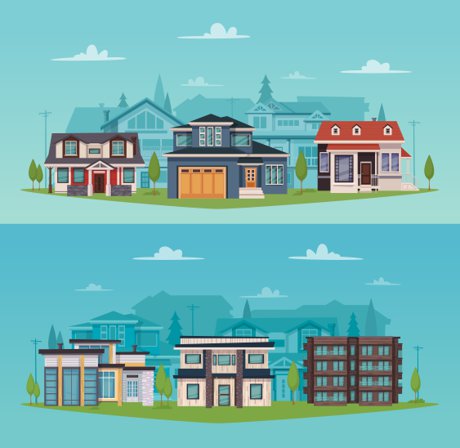

 

Sept. 25, 2023

The Role of a Real Estate Agent in the Digital Age

Introduction to the Digital Age and Its Impact on the Real Estate Industry

Digital Real Estate

The real estate industry has undergone significant changes in the past few decades, with technology playing a major role in its evolution. The emergence of the digital age has transformed how we buy and sell properties, making it easier, faster, and more convenient for both buyers and sellers. In this section, we will explore how the digital age has impacted the real estate industry and how it has changed the role of a real estate agent.

Rise of Online Platforms

One of the most significant impacts of the digital age on the real estate industry is the rise of online platforms such as our website. These platforms provide a virtual marketplace where buyers can easily search for properties based on their preferences, budget, and location. On these platforms, sellers can list their properties with detailed information such as photos, videos, 3D tours, and property descriptions.

These online platforms have made it possible for buyers to view multiple properties without leaving their homes. This shift from traditional home viewings to virtual ones has greatly increased efficiency for both buyers and agents. It also allows international buyers to purchase properties without ever setting foot in the country they are buying from.

Access to Information

Another significant impact of the digital age is that it has democratized access to information about properties. Before this era, only agents had access to listings through Multiple Listing Services (MLS). However, with online platforms like Zillow or Realtor.com, anyone can access property listings with just a few clicks.

The traditional role of a real estate agent and how it has evolved in the digital age

The traditional role of a real estate agent has always been crucial in the buying and selling of properties. They were seen as the key players in connecting buyers and sellers, facilitating negotiations, and handling paperwork. However, with the rise of technology and the digital age, their roles have evolved significantly.

In the past, real estate agents had to rely on physical listings and newspaper advertisements to market properties. They would also arrange for open houses to allow potential buyers to view the property in person. This process was time-consuming and limited their reach to a local or regional level.

With the advent of digital platforms such as websites, social media, and online listing portals, real estate agents now have a wider audience to showcase properties. They can create virtual tours, high-quality images, and videos that give potential buyers a realistic sense of the property without physically being there. This has not only expanded their client base but also made property hunting more convenient for both buyers and sellers.

Another significant change in the traditional role of a real estate agent is how they communicate with clients. In the past, face-to-face interactions were necessary for all aspects of buying or selling a property. Now, with video conferencing tools like Zoom or Skype, agents can conduct meetings remotely with clients from different parts of the world. This allows them to cater to international clientele easily.

Furthermore, technology has made it easier for agents to access relevant information about properties quickly. Real estate databases provide detailed information about properties such as location data, and historical sales prices.

How technology has changed the way buyers search for properties

The emergence of technology has greatly impacted the real estate industry, especially in the way buyers search for properties. Gone are the days when potential buyers would rely solely on newspaper listings or driving around neighborhoods to find their dream homes. With the rise of digital tools and platforms, the process of searching for properties has become more convenient and efficient.

Firstly, technology has made it easier for buyers to access a vast array of property listings online. Real estate websites, such as Zillow and Realtor.com, have revolutionized the way buyers search for homes. These platforms offer users detailed information about properties such as photos, videos, virtual tours, floor plans, and neighborhood data. This allows buyers to quickly narrow down their search to properties that meet their specific criteria without having to physically visit each one.

Moreover, with the use of mobile devices and apps, buyers can now search for properties anytime and anywhere. This level of accessibility has made it possible for busy individuals to browse listings during their commute or while waiting in line at the grocery store. Mobile apps also make it easier for buyers to save their preferred properties and receive notifications when there are updates or new listings that match their criteria.

In addition to making property listings easily accessible, technology has also improved the search experience by providing advanced search filters. Buyers can now refine their search based on various criteria such as location, price range, number of bedrooms/bathrooms, amenities, and more. This saves them time by only showing them relevant results that fit their needs.

The importance of online presence for real estate agents

The digital age has revolutionized the way we do business in every industry, and real estate is no exception. Gone are the days of relying solely on traditional marketing methods to attract clients and close deals. With the majority of buyers now turning to online resources for their property search, it has become increasingly important for real estate agents to establish a strong online presence.

In today's fast-paced world, potential homebuyers have access to an abundance of information at their fingertips. From property listings and market trends to neighborhood data and agent reviews, everything can be found with just a few clicks. As such, having a well-maintained online presence is crucial for real estate agents looking to stay competitive in the market.

One of the main reasons why online presence is essential for real estate agents is its ability to reach a wider audience. With the rise of social media platforms and search engines like Google, people from all over the world can easily find and connect with agents who have a strong online presence. This gives agents an opportunity to expand their client base beyond their local area and tap into new markets.

Moreover, establishing an active online presence also allows real estate agents to showcase their expertise and credibility in the industry. By creating informative content such as blogs or videos about market trends, buying/selling tips, and neighborhood guides, agents can position themselves as knowledgeable professionals that potential clients can trust. This not only helps in attracting more leads but also increases the chances of converting them into actual clients.

Utilizing social media and other digital tools to market properties

In today's digital age, social media and other online tools have become essential for real estate agents looking to market their properties effectively. With the rise of platforms like Facebook, Instagram, and LinkedIn, reaching potential buyers has never been easier. In this section, we will discuss the various ways in which real estate agents can use social media and other digital tools to market properties.

1. Create a Strong Online Presence

The first step in utilizing social media and digital tools for property marketing is to establish a strong online presence. This means creating profiles on popular social media platforms and keeping them up-to-date with relevant information about your listings and expertise as a real estate agent. Make sure to include high-quality images of your properties and engage with followers by responding to comments and messages promptly.

2. Use Visual Content

The best way to capture people's attention on social media is through visual content such as photos, videos, virtual tours, or 3D floor plans. These visuals provide potential buyers with a better understanding of the property's layout and features without having to physically visit it. Additionally, posting visually appealing content can increase engagement on your posts, leading to more exposure for your listings.

3. Utilize Social Media Advertising

While having an organic presence on social media is crucial, utilizing paid advertising can significantly expand your reach. Platforms like Facebook allow you to target specific demographics based on location, interests, income levels, and more.

How virtual tours and video walkthroughs have changed the buying process

In the digital age, technology has revolutionized the way we buy and sell real estate. One of the most significant changes is the use of virtual tours and video walkthroughs in the buying process. These tools have become invaluable for both home buyers and real estate agents, providing a more efficient and immersive experience.

Virtual tours and video walkthroughs allow potential buyers to view a property remotely without having to physically visit it. This is especially beneficial in today's fast-paced society where time is limited and convenience is highly valued. With just a few clicks, buyers can virtually step inside a property, allowing them to get a feel for its layout, size, and overall ambiance.

The use of virtual tours and video walkthroughs has also significantly expanded the reach of real estate listings. In the past, interested buyers would have to rely on photos or descriptions provided by an agent. However, with virtual tours and videos readily available online, anyone from anywhere in the world can now view a property at any time. This opens up opportunities for sellers to attract international buyers or those who are unable to physically visit due to distance or other constraints.

For real estate agents, virtual tours and video walkthroughs have become essential marketing tools. They not only save time by eliminating unnecessary property showings but also help agents stand out from competitors who may still be using traditional methods. By incorporating these technologies into their business strategy, agents can showcase properties more interactively and engagingly.

The role of data and analytics in helping real estate agents make informed decisions

In today's digital age, data and analytics play a crucial role in helping real estate agents make informed decisions. With the rise of technology and the internet, the amount of data available to real estate agents has increased exponentially. This data provides valuable insights into market trends, buyer preferences, and property values, enabling agents to make more strategic and efficient decisions.

One of the main ways in which data can assist real estate agents is by providing them with accurate market information. Real-time access to data on housing prices, inventory levels, and sales activity allows agents to keep up with changing market conditions and adjust their strategies accordingly. This ensures that they are always offering their clients the most up-to-date and competitive pricing for their properties.

Moreover, data also helps real estate agents understand consumer behavior better. With the help of analytics tools, they can track online search patterns and identify what buyers are looking for in a property. By analyzing this information, agents can tailor their marketing efforts towards specific segments of potential buyers and increase their chances of making a successful sale.

Data also assists real estate agents in identifying emerging market trends. By analyzing historical sales data and current market conditions, they can accurately forecast future trends. This enables them to advise their clients on the best time to buy or sell a property for maximum profit.

Another significant role that data plays in helping real estate agents make informed decisions is by providing detailed insights into individual properties.


Sept. 22, 2023

Emerging Real Estate Markets: Regions and Cities on The Rise

Introduction to Emerging Real Estate Markets

As the world continues to evolve, so does the real estate market. While traditional real estate hotspots like New York City and London still hold their appeal, many investors are turning their attention toward emerging markets that have seen rapid growth and development in recent years such as Greenville, SC and Myrtle Beach, SC in the United States.

But what exactly are emerging real estate markets? These are regions or cities that have shown significant economic growth, urbanization, and a rise in demand for property investment. They often offer attractive opportunities for investors looking for high returns on their investments.

Factors Driving the Growth of Emerging Real Estate Markets 

There are several factors contributing to the rise of emerging real estate markets. One of the main drivers is globalization which has led to increased cross-border investment and trade. This has resulted in an influx of foreign investment into these regions, driving up demand for property.

Rapid urbanization is also a key factor. As more people move from rural areas to cities in search of better job opportunities and a higher standard of living, there is an increasing need for housing in these urban centers. This creates a growing demand for residential properties that drives up prices and attracts investors.

Moreover, governments in many emerging economies have implemented policies aimed at attracting foreign investment by creating favorable business environments. This has led to improved infrastructure, better regulatory frameworks, and tax incentives.

What are Emerging Real Estate Markets?

Emerging real estate markets are areas that are experiencing rapid growth and development, making them attractive for investors looking to capitalize on potential opportunities. These markets are often characterized by a combination of demographic changes, economic growth, and increasing demand for properties.

One of the primary indicators of an emerging real estate market is population growth. As cities and regions experience an influx of new residents, there is a corresponding increase in demand for housing. This can lead to rising property prices and a surge in construction activity as developers rush to meet the demand.

Another factor that contributes to the emergence of real estate markets is economic growth. As economies thrive, they attract businesses and create job opportunities, leading to an increase in disposable income among local residents. This allows people to invest in homeownership or upgrade their current living situation, driving up demand for properties.

In addition to population and economic factors, government policies also play a significant role in the emergence of real estate markets. Policies such as tax incentives or relaxed zoning regulations can attract developers and stimulate construction activity in certain areas. This can lead to the revitalization of previously neglected neighborhoods or the creation of entirely new communities.

It's worth noting that emerging real estate markets are not limited to major cities but can also include smaller towns or suburban areas that are experiencing significant growth. In fact, many investors often prefer these smaller emerging markets because they offer lower barriers to entry compared to larger cities where property prices may be out of reach.

Benefits of Investing in Emerging Real Estate Markets

When it comes to investing in real estate, many people tend to focus on well-established and popular markets. However, there are several emerging real estate markets that offer great potential for investors. These regions and cities may not be as well-known, but they have been experiencing rapid growth and development, making them attractive options for investment. 

Benefits:

1. Lower property prices: One of the main advantages of investing in emerging real estate markets is the relatively low cost of properties compared to established markets. This means that investors can purchase properties at a lower price point, allowing for higher potential returns on their investments.

2. Potential for high returns: As these markets are still developing, there is a high potential for property values to appreciate rapidly over time. This means that investors can reap significant profits if they choose the right location and make smart investments.

3. Diversification: Investing in an emerging real estate market allows investors to diversify their portfolio beyond traditional and saturated markets. This can help reduce overall risk and provide a new avenue for generating income.

4. Government incentives: Many governments offer incentives such as tax breaks or subsidies to attract foreign investment into their emerging real estate markets. These incentives can significantly benefit investors by reducing costs and increasing profitability.

5. Growing demand: Emerging real estate markets often have growing populations and economies, leading to an increased demand for housing and commercial spaces. 

Top Regions to Watch: Asia & Latin America

Asia, Latin America, and Africa are three of the most promising regions to watch in the emerging real estate market. These regions have shown significant growth in recent years and are expected to continue their upward trajectory in the coming years. Here is a detailed look at each region and some of its top cities that are worth keeping an eye on.

1. Asia

Asia has emerged as a powerhouse in the global economy, and its real estate market is no exception. With a booming population and rapid urbanization, this region offers lucrative opportunities for real estate investors. China, India, Japan, and South Korea are some of the top countries driving growth in the Asian real estate market.

In particular, China's major cities such as Shanghai, Beijing, and Shenzhen have seen a surge in demand for commercial properties due to their thriving business environments. On the other hand, India's major cities like Mumbai and Bangalore offer great potential for residential real estate with their growing middle-class population.

2. Latin America

Latin America may not be as well-known as Asia or Europe when it comes to real estate investment opportunities; however, this region has been steadily growing over the past decade. Brazil leads the pack with its strong economy and stable political environment making it an attractive destination for foreign investors.

Mexico is another country that shows great potential for real estate investments with its rapidly expanding tourism industry boosting demand for vacation homes and rental properties. Additionally, Colombia's capital city Bogota has also been recognized as one of the top emerging markets.

Overview of Real Estate Markets in Each Region

The real estate market is a constantly evolving and dynamic sector, with different regions and cities experiencing varying levels of growth and development. In recent years, there has been a surge in emerging real estate markets, attracting investors and homebuyers alike. In this section, we will provide an overview of the top emerging real estate markets in each region.

1. Asia Pacific:

The Asia Pacific region has been witnessing rapid economic growth and urbanization, making it one of the most attractive markets for real estate investment. China, India, and Indonesia are some of the fastest-growing economies in this region, driving demand for commercial and residential properties. The rise of middle-class populations in these countries has also led to an increase in disposable income, resulting in a surge in housing demand.

2. Africa:

Africa's real estate market has been steadily growing due to its young population and improving infrastructure developments. Countries like Nigeria, Kenya, Ghana, and Ethiopia have emerged as promising investment destinations with significant potential for high returns. The rising urbanization rates in these countries are creating a demand for affordable housing solutions.

3. Middle East:

The Middle East is another region that has seen significant growth in its real estate market over the years. This can be attributed to factors such as government initiatives promoting foreign investments, increasing tourism activities, and major events like Expo 2020 Dubai that have boosted the demand for properties in cities like Dubai and Abu Dhabi.

Key Factors Driving Growth in These Regions

The global real estate market has seen significant growth and development in recent years, with emerging markets playing a crucial role in this expansion. These regions and cities have become increasingly attractive to investors, developers, and homebuyers alike due to various key factors driving their growth.

1. Urbanization: One of the primary drivers of growth in emerging real estate markets is urbanization. As more people move from rural areas to cities in search of better job opportunities and improved living standards, the demand for housing in these regions increases significantly. This influx of population not only boosts the demand for residential properties but also creates a need for commercial spaces such as offices, retail outlets, and industrial units.

2. Economic Development: Emerging markets are often characterized by rapid economic growth driven by industries such as manufacturing, technology, and services. This economic development leads to an increase in job opportunities and disposable income, which ultimately translates into a higher demand for real estate properties. Moreover, favorable government policies and investment incentives further fuel the growth of these regions.

3. Infrastructure Development: Another crucial factor driving the growth of emerging real estate markets is infrastructure development. Governments in these regions are investing heavily in improving transportation networks, building new airports and ports, developing modern healthcare facilities, etc., making them more attractive to businesses and residents alike. The availability of quality infrastructure plays a critical role in attracting both domestic and foreign investments.

4. Demographic Trends: Demographics also play a significant role in shaping the growth trajectory of emerging real estate markets.

Potential Investment Opportunities

The global real estate market is constantly evolving, with new emerging markets gaining attention from investors and homebuyers alike. While some regions are known for their established real estate markets, there are also hidden gems within specific cities that offer great potential for investment. In this section, we will explore some of the top emerging real estate markets in different regions and the specific cities within them that present attractive investment opportunities.

1. Asia-Pacific

The Asia-Pacific region has been experiencing steady growth in its real estate market over the past decade, making it an attractive destination for investors looking to diversify their portfolios. Within this region, there are several cities that stand out as hotspots for real estate investment.

One such city is Tokyo, Japan – the world's largest metropolitan area by population. With a strong economy and a growing trend towards urbanization, Tokyo offers a diverse range of investment opportunities in both residential and commercial properties. The city has seen a surge in demand for luxury condominiums as well as office spaces due to the influx of multinational companies setting up their headquarters here.

Another promising city in the Asia-Pacific region is Manila, Philippines – one of the fastest-growing economies in Southeast Asia. The increasing number of foreign investments and a booming business process outsourcing (BPO) industry have contributed to a rise in property prices and rental yields in Manila. The city also boasts a large pool of young professionals who are driving the demand for affordable yet high-quality housing options.

2. Europe

Europe has always been considered one of the most stable and mature real estate markets in the world. However, within this region, some cities have been gaining attention as emerging real estate hotspots.

One such city is Berlin, Germany – known for its vibrant culture and booming tech scene. The city has seen a significant increase in demand for rental properties from young professionals and students, which has led to a rise in rental yields. Berlin also offers comparatively lower property prices compared to other major European cities, making it an attractive destination for both local and international investors.

Another promising city in Europe is Budapest, Hungary – often referred to as the "Paris of the East." Similar to Berlin, Budapest has a thriving startup scene and a growing number of young professionals seeking affordable housing options. The city's historical charm and low property prices make it an appealing choice for real estate investors looking for high returns.

3. North America

North America has long been considered one of the most stable and developed real estate markets in the world. However, there are still opportunities for investment in emerging cities within this region.

One such city is Austin, Texas – home to a rapidly growing tech industry and a strong job market. The city's population has been consistently increasing due to its affordability and high quality of life.

Up-and-Coming Cities to Keep an Eye On in North America:

Up-and-coming cities are becoming a hot topic in the real estate market, with more and more investors looking toward these rising stars for potential opportunities. These cities may not be as well-known or established as major urban centers, but they are quickly gaining attention and attracting both residents and businesses.

Here are some up-and-coming cities that should be on your radar:

1) Austin, Texas - Known for its vibrant music scene, delicious food, and booming tech industry, Austin has been consistently ranked as one of the fastest-growing cities in the US. Its affordable housing market and strong job growth make it an attractive destination for young professionals and families alike.

2) Nashville, Tennessee - This southern city is not just all about country music anymore. With a diverse economy that includes healthcare, finance, and technology industries, Nashville has seen an influx of new residents seeking job opportunities and a lower cost of living compared to other major US cities.

3) Boise, Idaho - Despite being one of the smallest states in the US, Idaho's capital city has been making big waves in recent years. Its scenic location near mountains and lakes makes it a desirable place to live for outdoor enthusiasts. Additionally, its growing economy and low unemployment rate have contributed to an increase in home values.

4) Raleigh-Durham-Chapel Hill (The Research Triangle), North Carolina - Consisting of three major cities known for their thriving research institutions and universities, this region is experiencing rapid growth due to its highly educated workforce. 

Criteria for Identifying Emerging Real Estate Markets 

When it comes to identifying emerging real estate markets, there are several important criteria to consider. These criteria can help investors and developers determine which regions and cities are on the rise and have the potential for growth in the real estate market.

1. Economic Growth: One of the most important factors to consider when identifying an emerging real estate market is economic growth. This includes factors such as job creation, population growth, and overall economic stability. A region or city with a strong economy is likely to have a growing demand for housing, making it an attractive market for real estate investment.

2. Infrastructure Development: The level of infrastructure development in a region or city can also be a key indicator of its potential as an emerging real estate market. Areas with new or improved transportation systems, utilities, and public amenities are typically more attractive to investors and homebuyers.

3. Demographics: The demographics of a particular area can also play a significant role in determining its potential as an emerging real estate market. Factors such as age demographics, income levels, and education levels can provide insight into the demand for different types of properties in that location.

4. Affordability: Another important criterion for identifying an emerging real estate market is affordability. As housing prices continue to rise in popular metropolitan areas, many people are looking for more affordable options outside of these major cities. This has led to increased demand in smaller cities and suburban areas that offer lower housing costs.

5. Real Estate Market Data: It's essential to analyze data on the current real estate market in a particular region or city to determine its growth potential. This includes information on housing prices, inventory levels, and rental rates.

6. Development and Investment Activity: The level of development and investment activity in an area can also indicate its potential as an emerging real estate market. If there are multiple new developments and investments in the works, it could be a sign that the area is becoming more desirable to businesses and residents.

7. Quality of Life: The overall quality of life in a particular location can also influence its potential as an emerging real estate market. Factors such as crime rates, schools, and cultural amenities can attract people to an area, making it a more desirable place to live and invest in.

8. Government Policies: Government policies, such as tax incentives for businesses or initiatives to revitalize certain areas, can have a significant impact on the growth of a real estate market. It's important to research any policies that may be in place or planned for an area to gauge their potential impact on the real estate market.


By considering these criteria when analyzing different regions and cities, investors and developers can identify emerging real estate markets with strong potential for growth and make informed decisions about where to invest their resources.