Explore the Myrtle Beach Real Estate Blog

Find exactly what you need, whether you're buying, selling, or just getting to know the Grand Strand.

01

Buying a Home

First-time buyer guides, financing tips, and how to win in the Myrtle Beach market.

02

Selling a Home

Pricing, staging, and the marketing that actually gets coastal homes sold.

03

Lifestyle and Communities

Coastal living, local communities, and what day-to-day life is really like along the Grand Strand.

04

Market Updates

The latest on prices, inventory, and what it means for you.

05

Moving & Relocation

Relocating to the coast? Tips on the move, schools, and settling into the Grand Strand.

06

Offer to Close

Step-by-step guides to buying and selling on the Grand Strand — from your first offer through closing day.

Sept. 20, 2023

Demystifying the Mortgage Process: Tips for first-time homebuyers

Introduction to the Mortgage Process
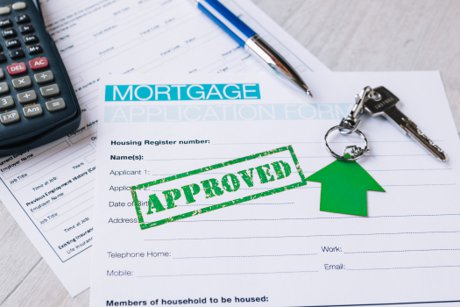
Mortgage Process

Purchasing a home is one of the biggest financial decisions you will make in your lifetime. It can also be a daunting and complex process, especially for first-time home buyers. One significant aspect of buying a home is securing a mortgage. A mortgage is a loan that helps you finance your new home, and it comes with specific terms and conditions that must be understood before committing to one.

In this section, we will provide you with an introduction to the mortgage process and guide you through its fundamental steps.

Step 1: Determine Your Budget

Before diving into the world of mortgages, it's essential to determine how much house you can afford. This means taking into consideration your income, expenses, debts, credit score, and down payment amount. Lenders typically use a debt-to-income ratio (DTI) to determine if you are eligible for a mortgage. The general rule is that your total monthly housing costs should not exceed 28% of your gross monthly income.

It's crucial to have a clear understanding of your budget as it will help narrow down your options when it comes to choosing a mortgage type.

Step 2: Understand Different Types of Mortgages

There are various types of mortgages available in the market today. Each has its pros and cons, so it's essential to understand them thoroughly before making any decisions. Some common types include fixed-rate mortgages, adjustable-rate mortgages (ARMs), and government-insured loans (such as FHA or VA loans).

Understanding Your Credit Score and Its Impact on Mortgage Approval

Your credit score plays a crucial role in the mortgage approval process. It is a numerical representation of your creditworthiness, based on your credit history and financial behavior. Lenders use your credit score to assess the risk of lending you money for a mortgage.

In simple terms, your credit score is like a report card that shows how responsible you are with managing debt. The higher your credit score, the more likely it is that you will be approved for a mortgage at favorable interest rates.

How is Your Credit Score Calculated?

There are three major credit reporting agencies - Experian, Equifax, and TransUnion - that collect information about your borrowing habits from various sources such as banks, credit card companies, and other lenders. They use this information to calculate your credit score using different scoring models.

The most commonly used model is the FICO (Fair Isaac Corporation) scoring system, which ranges from 300 to 850. This system takes into account five main factors when calculating your score:

1. Payment History: This factor makes up 35% of your FICO score and looks at whether you have made timely payments on past debts. Late payments or missed payments can significantly lower your credit score.

2. Amounts Owed: This accounts for 30% of your FICO score and considers how much debt you currently have compared to how much available credit you have. A high amount of debt can negatively impact your score.

Types of Mortgages Available for First-time Home Buyers

When it comes to purchasing a home, most first-time buyers rely on obtaining a mortgage to finance their purchase. A mortgage is a type of loan that is specifically designed for buying real estate, and it typically has a longer repayment period than other types of loans. However, not all mortgages are created equal. In fact, there are several different types of mortgages available to first-time home buyers. Understanding the differences between these options can help you make an informed decision when it comes to choosing the right mortgage for your needs.

1. Fixed-Rate Mortgages

Fixed-rate mortgages are one of the most common types of mortgages used by first-time home buyers. With this type of mortgage, the interest rate remains fixed throughout the entire duration of the loan, meaning your monthly payments will stay the same as well. This provides stability and predictability in terms of budgeting for homeownership expenses.

2. Adjustable-Rate Mortgages (ARM)

Unlike fixed-rate mortgages, adjustable-rate mortgages have an interest rate that can fluctuate over time based on market conditions. These changes can result in either lower or higher monthly payments for homeowners. ARMs often start with a lower interest rate compared to fixed-rate mortgages but can increase after a certain period of time, making them more suitable for those who plan on selling or refinancing their home within a few years.

3. Federal Housing Administration (FHA) Loans

FHA loans are backed by the Federal Housing Administration and are designed for first-time home buyers with lower credit scores or a smaller down payment. With an FHA loan, the borrower can put as little as 3.5% down on the home purchase, making it a popular choice for those who may not have a large amount of savings for a down payment.

4. Department of Veterans Affairs (VA) Loans

VA loans are exclusive to military service members, veterans, and their families. They offer competitive interest rates and require no down payment or mortgage insurance, making them an attractive option for those who qualify.

5. United States Department of Agriculture (USDA) Loans

USDA loans are intended for low-to-moderate-income homebuyers in rural areas who meet certain income requirements. These loans offer 100% financing with no down payment required and typically have lower interest rates compared to other types of mortgages.

6. Conventional Loans

Conventional loans are not insured by the government like FHA, VA or USDA loans. Instead, they are backed by private lenders and follow the guidelines set by Fannie Mae and Freddie Mac. Conventional loans typically require a larger down payment compared to other types of mortgages but may have lower interest rates for borrowers with excellent credit scores.

How Much House Can You Afford? Calculating Your Budget

Calculating your budget is a crucial step in the home-buying process. It helps you determine how much house you can afford and ensures that you are not overextending yourself financially. Before starting your search for the perfect home, it is important to know exactly what you can afford and how much you should spend on a mortgage.

Here are some factors to consider when calculating your budget:

1. Determine Your Income and Expenses: The first step in calculating your budget is to determine your monthly income and expenses. This includes all sources of income such as salary, bonuses, investments, rental properties, etc. Make sure to include any potential changes in income or expenses in the near future.

2. Calculate Your Debt-to-Income Ratio: Lenders use the debt-to-income ratio (DTI) to evaluate an individual's ability to manage their monthly payments and repay their debts. A lower DTI will make it easier for you to qualify for a mortgage with a favorable interest rate. Ideally, your DTI should be below 36%, but some lenders may consider up to 43%.

3. Consider Your Down Payment: The down payment is the initial amount of money that you pay towards the purchase of your home. While it may be tempting to put down a smaller down payment, keep in mind that a larger down payment will result in lower monthly mortgage payments.

4. Factor In Closing Costs: In addition to the down payment, there are also closing costs associated with purchasing a home such as appraisal fees.

Important Documents and Information Needed for the Mortgage Application Process

The mortgage application process can seem overwhelming, especially for first-time home buyers. There are many steps involved and a lot of information to gather and provide. One crucial aspect of the process is making sure you have all the necessary documents and information ready to submit with your application. In this section, we will outline the important documents and information needed for the mortgage application process.

1. Personal identification:

The first set of documents you will need to provide are those that prove your identity. This includes a government-issued ID such as a driver's license or passport. You may also be asked to provide proof of your social security number.

2. Income verification:

One of the most important factors in determining your eligibility for a mortgage is your income level. Lenders want to ensure that you have enough stable income to make timely payments on your loan. To verify your income, you will need to provide recent pay stubs from your current job as well as two years' worth of tax returns.

3. Employment history:

In addition to providing current pay stubs, lenders will also want to see a history of steady employment. They may ask for W-2 forms from past employers or contact them directly for verification purposes.

4. Bank statements:

Lenders will ask for several months' worth of bank statements to assess how much money you have saved and how responsibly you manage your finances.

5. Audit reports: 

If you are self-employed or own a business, the lender may require audit reports or financial statements.

The Role of a Mortgage Broker or Loan Officer in the Process

When it comes to purchasing a home, most people will need to secure a mortgage in order to afford the cost. This is where a mortgage broker or loan officer comes into play. These professionals play an important role in the process of obtaining a mortgage and can be valuable resources for first-time home buyers.

A mortgage broker or loan officer acts as an intermediary between the borrower and the lender. They work with multiple lenders and have access to a variety of loan products, which allows them to shop around for the best mortgage options for their clients. This can save time and potentially result in better terms and rates for the borrower.

One of the main responsibilities of a mortgage broker or loan officer is to help borrowers navigate through the often complex and overwhelming process of securing a mortgage. They are knowledgeable about different types of loans and can guide borrowers toward options that best suit their financial situation, goals, and needs.

Before beginning the application process, brokers or loan officers will typically sit down with borrowers to review their financial information such as income, credit score, savings, debt-to-income ratio, and employment history. Based on this information, they can determine how much house a borrower can afford and what type of loan would be most suitable for them.

Once these details are established, brokers or loan officers will assist with completing all necessary paperwork for submission to potential lenders. They will also explain any fees associated with obtaining a mortgage such as origination fees, appraisal fees, title insurance fees, etc.

Tips for Choosing the Right Lender for Your Needs

Choosing the right lender is a crucial step in the mortgage process, especially for first-time home buyers. With so many options available, it can be overwhelming and confusing to determine which lender is right for your needs. Here are some helpful tips to guide you in finding the best lender for your specific situation:

1. Compare interest rates and fees: The interest rate and fees offered by a lender can significantly impact your overall cost of borrowing. It's essential to compare rates from multiple lenders to ensure you're getting the best deal. Keep in mind that a lower interest rate may come with higher closing costs, so make sure to consider both factors when comparing lenders.

2. Check their reputation: Before committing to a lender, take the time to research their reputation. Look for reviews from previous clients or ask friends and family for recommendations. You want to work with a reputable lender who has a track record of providing excellent customer service and efficiently handling the mortgage process.

3. Consider their loan options: Different lenders offer various loan programs with different terms and conditions. For example, some may specialize in government-backed loans such as FHA or VA loans, while others focus on conventional loans. It's crucial to understand what type of loan each lender offers and whether it aligns with your financial goals and needs.

4. Ask about their turnaround time: When buying a home, timing is critical, so it's vital to choose a lender who can close on time without any delays or complications. Ask prospective lenders about their average turnaround.

Common Mistakes to Avoid During the Mortgage Process

Purchasing a home is an exciting milestone in one's life, but it can also be overwhelming and stressful. The mortgage process, in particular, can seem complex and confusing for first-time home buyers. However, with the right knowledge and guidance, you can navigate through this process successfully. One of the key things to keep in mind is to avoid common mistakes that many first-time buyers make during the mortgage process.

In this section, we will discuss some of the most common mistakes that you should avoid during the mortgage process to ensure a smooth and successful home-buying experience.

1. Not checking your credit score beforehand

One of the biggest factors that lenders consider when approving a mortgage is your credit score. A good credit score not only increases your chances of getting approved for a loan but also helps you secure favorable interest rates. Before starting the home-buying process, it is crucial to check your credit score and address any issues or errors that may negatively impact it.

2. Not shopping around for different lenders

Many first-time home buyers make the mistake of accepting the first mortgage offer they receive without exploring other options. It is essential to shop around and compare different lenders' rates and terms to find the best deal for your financial situation. Even a slight difference in interest rates can save you thousands of dollars over the course of your loan.

3. Ignoring pre-approval 

Getting pre-approved for a mortgage before house hunting has many benefits. It gives you a clear idea of how much you can afford.

Negotiating and Closing

As a first-time home buyer, the thought of negotiating and closing on a mortgage can be daunting. But with the right knowledge and preparation, you can navigate this process with confidence. In this section, we will break down the steps involved in negotiating and closing on a mortgage to help demystify this crucial aspect of the home-buying journey.

Negotiating:

The negotiation process begins after you have found your dream home and have made an offer. Before starting negotiations, it is important to do thorough research on similar properties in the area to ensure that your offer is competitive. This will also give you leverage during negotiations.

One key factor to keep in mind when negotiating for a mortgage is your credit score. The higher your credit score, the more bargaining power you have as it shows lenders that you are a responsible borrower. Additionally, having a pre-approval letter from your lender can also strengthen your position during negotiations.

During negotiations, it is important to communicate clearly and effectively with both the seller and your real estate agent. Make sure to clearly state what terms and conditions are important to you such as the closing date or repairs needed before finalizing the deal. Keep in mind that compromise may be necessary for both parties to reach an agreement.

Closing:

Once both parties have agreed upon all terms, it’s time for closing – the final step before officially becoming a homeowner! Closing usually takes place at an attorney's office or title company where all legal documents are signed and money changes hands.




Sept. 18, 2023

How to Overcome Your Fear of Prospecting

Introduction

Fear of Prospecting

When it comes to sales, the word “prospecting” can strike fear into the heart of even the most experienced salesperson. The thought of reaching out to cold leads, making small talk, and trying to sell them on your product can be daunting. But it doesn’t have to be! With a little bit of preparation and practice, you can overcome your fear of prospecting and start generating new leads in no time.

Here are a few tips to help you get started:

1. Do your research

Before you start reaching out to potential customers, take some time to do your research. Learn as much as you can about their company, their pain points, and what they’re looking for in a solution. The more you know about them, the easier it will be to start a conversation and build rapport.

2. Start with a script

When you’re first starting out, it can be helpful to have a script or template to follow. This will give you something to fall back on if you get tongue-tied or lost in the conversation. Just make sure not to sound like you’re reading from a script – that will only make things worse!

3. Make it all about them

Your goal when prospecting should be to start a conversation and learn more about the other person. So focus on asking questions and listening more than talking. If you can show them that you’re genuinely interested in their needs, they’ll be more open to hearing about your product.

4. Practice, practice, practice

The best way to get over your fear of prospecting is to just do it! Start making those calls and sending those emails – even if it’s uncomfortable at first. The more you practice, the easier it will become, and the better results you’ll see.

By following these tips, you can overcome your fear of prospecting and start generating leads and closing deals in no time. So take a deep breath and get ready to start conversing with new prospects – you can do this!

Identify Your Fear

Sales prospecting can be a daunting task, especially if you don't have much experience. It's natural to feel some fear when you're putting yourself out there, but there are ways to overcome it. The first step is to identify your fear. Are you worried about rejection? afraid of making a fool of yourself? Once you know what's holding you back, you can start to work on overcoming it. 

There are a few different techniques that can help when it comes to overcoming your fear of prospecting. If you're worried about being rejected, try focusing on the positive outcomes. What's the best-case scenario? How likely is it that you'll get a yes? Reminding yourself of the potential rewards can help ease your anxiety. If you're afraid of making a fool of yourself, practice what you're going to say ahead of time. Write out a script or make some notes so you'll know what to say when you're on the call. The more prepared you are, the less likely you are to stumble over your words. 

Remember, everyone feels some degree of fear when they're prospecting. The key is to not let it hold you back from reaching your goals. Identify your fear, come up with a plan to overcome it, and then take action!

Understand the Impact of Your Fear

When it comes to prospecting, your fear can have a big impact on your success. If you're afraid of rejection, you may avoid making the necessary contact with potential customers. If you're afraid of failure, you may not put forth the effort required to succeed.

To overcome your fear of prospecting, it's important to understand the impact that it has on your business. By understanding the potential consequences of your fear, you can be more motivated to face it head-on.

If you're afraid of rejection, think about the opportunities that you're missing out on by not making contact with potential customers. What could have been if you had just made that one phone call or sent that one email?

If you're afraid of failure, think about all of the times in your life when you've faced a challenge and come out successful on the other side. You have the ability to overcome any obstacle, no matter how daunting it may seem.

Remember that fear is nothing more than an emotion. It doesn't have to control your actions or dictate your success. When you understand the impact of your fear, you can start to take steps to overcome it.

Develop Strategies to Overcome Your Fear

When it comes to prospecting, fear can be a significant barrier to success. If you're afraid of making cold calls, meeting new people, or asking for referrals, it's time to develop strategies to overcome your fear.

Here are a few tips:

1. Make a list of your fears. This will help you identify which ones are holding you back from prospecting effectively.

2. Identify the root cause of your fear. Is it the rejection? The unknown? Once you know what's causing your fear, you can start to address it.

3. Develop a positive mindset. Believe in yourself and your ability to succeed at prospecting. This positive mindset will help you push through the tough times.

4. Take baby steps. If the thought of making 100 cold calls is too much for you, start with 10. Then 20. Keep pushing yourself until you're comfortable with the process.

5. Visualize success. See yourself making great connections and landing new clients through prospecting. This visualization will help keep you motivated when things get tough.

Take Action and Implement Strategies

When it comes to sales, the only way to get over your fear of prospecting is to take action and implement strategies. The best way to start is by creating a list of your target market, and then reaching out to them through various channels such as email, phone calls, or social media.

Once you have made contact with potential customers, it's important to build rapport and establish trust. This can be done by providing valuable information or resources, being transparent about your intentions, and following up regularly.

The most important thing is to keep taking action, even if you don't get immediate results. Remember that every no brings you closer to a yes, and eventually you will overcome your fear of prospecting!

Monitor Progress and Adjust as Necessary

It's important to monitor your progress when prospecting and making adjustments as necessary. This will help you stay on track and avoid getting discouraged.

One way to monitor your progress is to keep a prospecting journal. This is where you can track your daily activities, how many people you contact, and how many appointments you set. This will help you see what's working and what's not so that you can adjust your strategy accordingly.

Another way to monitor your progress is to set goals. Make sure these goals are realistic and attainable, but also challenging enough to push you outside of your comfort zone. For example, you might set a goal to make 50 contacts per day or to set 10 appointments per week. As you reach these goals, you'll be able to see your progress and feel more confident in your abilities.

Making adjustments along the way is also important. If something isn't working, don't be afraid to change it up. Trying new things is how you'll find what works best for you. And as your confidence grows, you can take on even bigger challenges.

Conclusion

We hope that this article has been useful in helping you to overcome your fear of prospecting. The most important thing to remember is that everyone is scared at some point and the only way to get better is by facing those fears head-on. As long as you keep a positive mindset, stay organized, and practice regularly, you'll be able to master the art of prospecting in no time! 

Sept. 15, 2023

Steps to get a home mortgage

Overview of Home Mortgages

home mortgage

Assuming you have good credit and stable income, there are four key steps to getting a home mortgage:

1. Know How Much House You Can Afford

2. Get Pre-Approved by a Lender

3. Find the Right Mortgage Program

4. Apply for Your Mortgage Loan

Step 1: Know How Much House You Can Afford

The first step in getting a home mortgage is knowing how much house you can afford. This will determine the maximum amount you can borrow from a lender. There are several online calculators that can help you determine an affordable monthly payment. Be sure to include all associated costs of homeownership, such as property taxes, insurance, and repairs/maintenance in your calculation.

 Step 2: Get Pre-Approved by a Lender

Once you know how much house you can afford, the next step is to get pre-approved by a lender. This means the lender will review your financial information and give you a letter stating how much they are willing to lend you. Getting pre-approved helps streamline the home-buying process and gives you an upper hand when negotiating with sellers.

 Step 3: Find the Right Mortgage Program

There are many different types of mortgage programs available, so it’s important to find the one that best suits your needs and budget. Some common programs include fixed-rate mortgages, adjustable-rate mortgages, FHA loans, VA loans, and jumbo loans

Qualifying for a Mortgage

There are a few things you'll need to do in order to qualify for a mortgage. For starters, you'll need to have a good credit score. Lenders will also look at your debt-to-income ratio to make sure you can afford the mortgage payments. You'll also need to have a down payment saved up, as well as any other savings or assets that can be used as collateral. You'll need to find a lender who is willing to work with you.

Types of Mortgages

There are many different types of mortgages available to homebuyers. Each type of mortgage has its own set of terms and conditions, which can vary greatly from one lender to another. The most common types of mortgages are:

Fixed-rate mortgages: A fixed-rate mortgage offers a set interest rate for the life of the loan. This type of mortgage is ideal for borrowers who want the stability of knowing their monthly payments will never change.

Adjustable-rate mortgages (ARMs): An adjustable-rate mortgage has an interest rate that can change over time. These loans typically start with a lower interest rate than fixed-rate loans, but the rate can increase (or decrease) over time, depending on market conditions. ARMs are often used by borrowers who expect to move or refinance before the end of the loan term.

FHA loans: A Federal Housing Administration (FHA) loan is a government-backed mortgage insurance program that allows borrowers with low credit scores to qualify for loans with low down payments and favorable terms.

VA loans: Veterans Affairs (VA) loans are government-backed mortgages available to active duty military members, veterans, and their surviving spouses. These loans offer competitive rates and flexible terms, making them a great option for eligible borrowers.

Applying for a Mortgage

Applying for a mortgage can be a confusing and time-consuming process, but it doesn't have to be. Here are a few tips to make the process as smooth as possible:

1. Get your financial paperwork in order. Before you even start looking at homes, you'll need to get your financial ducks in a row. This means getting a copy of your credit report, organizing your tax returns, and so on. Your lender will need all of this information when you apply for a loan.

2. Shop around for the best deal. Don't just go with the first lender you talk to - shop around and compare rates, terms, and conditions from multiple lenders before making a decision.

3. Know what you can afford. It's easy to get caught up in the excitement of buying a new home, but don't forget that you'll need to make monthly mortgage payments for years to come. Be realistic about what you can afford before submitting an offer on a home.

4. Get pre-approved for a loan. Once you've found the right lender, get pre-approved for a loan before starting your home search in earnest. This will give you a better idea of how much money you can borrow and will make the whole process go more smoothly.

5. Be prepared to negotiate. Remember that the asking price is not always set in stone - be prepared to negotiate with the seller on price, repairs, closing costs, and more

Understanding the Process

Before beginning the process of applying for a home mortgage, it's important to understand how the process works. This will help you know what to expect and can avoid potential surprises or setbacks.

The first step is to get pre-qualified for a loan. This means contacting a lender and providing some basic information about your financial situation. The lender will then give you an estimate of how much they are willing to lend you. It's important to remember that this is not a guarantee of a loan, but it does give you an idea of what you can afford.

The next step is to find a property that you are interested in purchasing. Once you have found a few properties that meet your criteria, it's time to start the application process. This involves providing the lender with more detailed information about your finances and employment history.

Once your application has been approved, the lender will send you a loan estimate. This document outlines the terms of the loan, including the interest rate, monthly payments, and other conditions. Be sure to review this carefully before signing anything.

The final step is to close on the loan and officially become a homeowner! 

Understanding the Terms & Conditions of Your Mortgage

When you're ready to start shopping for a home, you'll need to understand the terms and conditions of your mortgage. Here are some key things to keep in mind:

-Principal: This is the amount of money you borrow from the lender.

-Interest: This is the fee charged by the lender for borrowing the money. It's usually a percentage of the principal.

-Term: This is the length of time you have to repay the loan. Mortgage terms typically range from 5 to 30 years.

-Amortization: This is how your payments are applied to the principal and interest, and how much of each payment goes towards each. 

-Prepayment penalties: Some lenders charge a fee if you pay off your loan early. 

-Origination fees: These are fees charged by the lender for processing your loan application. 

-Points: You may be able to buy down your interest rate by paying points upfront. Each point typically costs 1% of the loan amount. 

Make sure you understand all of these terms before you sign on the dotted line!

Preparing for Closing on Your Mortgage Loan

Closing on your mortgage loan is a big step in the home-buying process. Here are some tips to help you prepare for closing:

- Get your financial documents in order. You'll need to provide proof of income, assets, and debts.

- Shop around for a good mortgage rate. Be sure to compare interest rates, fees, and other terms.

- Get pre-approved for a mortgage loan. This will give you an idea of how much house you can afford.

- Find a good real estate agent. A knowledgeable agent can help you navigate the home-buying process and negotiate the best price for your new home.

Resources to Help with Financing Your Home Purchase

There are a number of resources available to help with financing your home purchase. Here are a few:

The Department of Housing and Urban Development (HUD) provides a number of resources and programs to help with financing your home purchase.

The Federal Housing Administration (FHA) offers loans and other programs to help make it easier for you to qualify for a mortgage and finance your home purchase.

The Veterans Administration (VA) provides loans and other assistance programs specifically for veterans and active-duty military personnel.

Your local bank or credit union may offer special programs or products to help with financing your home purchase. Be sure to shop around and compare rates and terms before you choose a lender.

Conclusion

Getting a home mortgage can be an exhausting process, but it doesn’t have to be overwhelming. By following the steps outlined in this article, you will be well on your way to securing the financing you need for your dream home. From researching lenders and loan options to finding a real estate agent you trust, all of these steps are essential for finding the best mortgage and making sure that everything goes smoothly when it comes time to close on your house. With some patience and preparation, getting a home mortgage can be a relatively stress-free endeavor!


Sept. 14, 2023

5120 Double Eagle Way Unit 42, North Myrtle Beach, SC 29582


Don't miss out on the opportunity to explore these fantastic 4-bedroom, 3.5-bathroom newly constructed townhouses, spanning three spacious floors. Nestled in the picturesque city of North Myrtle Beach, if you're in search of a home with abundant space and ample storage, this is the perfect choice for you.Situated just a short drive from the beach and all the attractions North Myrtle Beach has to offer, this property serves as a versatile investment, whether you're looking for a secondary residence, your primary home, or a potential investment property. What's more, you'll enjoy the added convenience of a golf driving range within walking distance from this prime location. Schedule your showing today and seize this opportunity!


Browse more property for sale on our easy to use website: www.c21theharrelsongroup.com

Posted in
Sept. 14, 2023

802 Forest Dr., Myrtle Beach, SC 29577


Welcome to your desperately desired coastal DREAM HOME in Myrtle Beach! Location is prime here. You have the privilege of living EAST OF HIGHWAY 17 off of 48th avenue, in this 4-bedroom, 3 FULL bathroom home, supporting bo th comfort and adventure. Your new roof was installed in 2020. Initially, notice the single carcarport and multiple parking in the driveway, allowing for plenty of guests. The kitchen, a major highlight of the home, boasts sleek granite countertops, updated cabinetry, a stainless steel fridge and dishwasher, and a surplus of storage and space for all those family gatherings. Notice the extremely convenient layout, flowing smoothly between your separate dining room and living room for easy communication. As you step into your new oversized Master Bedroom, you’ll see easy access to your gorgeous deck/patio space for every morning coffee. In your very private backyard, filled with trees and nearly every flower, take a glance at the fully fenced yard with walking stones and more, offering a very private space for gatherings. Enjoy year-round climate control with dual HVAC systems, and tons of storage is found with two outdoor sheds. With NO HOA restrictions and a prime location—just 10 minutes to the Atlantic Ocean and Ocean Boulevard, 20 minutes to the airport, and close to shopping—this home perfectly melds comfort and convenience with coastal elegance. Don't miss out on this Myrtle Beach gem; schedule your private viewing today!


Browse more property for sale on our easy to use website: www.c21theharrelsongroup.com

Posted in
Sept. 13, 2023

Home Buying Tips

The Basics of Home Buying

Home Buying

Assuming you have the necessary down payment saved up, there are a few basics you should know before buying a home. The first is to get pre-approved for a mortgage. This will give you an idea of how much you can afford to spend on a home, and it will also put you in a stronger negotiating position with sellers. Secondly, make sure you're working with a real estate agent who has your best interests at heart. They can help you find the right home and also steer you away from properties that may have hidden problems. And finally, don't rush into anything. Take your time looking at different homes and be sure to have all your questions answered before making an offer on a property.

Types of Mortgages

There are many types of mortgages available to home buyers. Each type has its own benefits and drawbacks, so it's important to choose the right one for your needs.

The most common type of mortgage is the 30-year fixed-rate loan. This loan offers a fixed interest rate for the life of the loan, so your monthly payments will never change. The downside is that you'll pay more interest over the life of the loan than you would with a shorter-term loan.

If you're looking for a lower monthly payment, you might consider an adjustable-rate mortgage (ARM). With an ARM, your interest rate will fluctuate over time, but it will always be lower than the interest rate on a 30-year fixed-rate loan. The downside is that if interest rates go up, your monthly payments will also increase.

Another option is a 15-year fixed-rate mortgage. This type of loan has a higher monthly payment than a 30-year loan, but you'll pay less interest over the life of the loan. And because the loan term is shorter, you'll build equity in your home faster.

There are also government-backed loans available, such as FHA loans and VA loans. These loans typically have more relaxed eligibility requirements than conventional loans, making them a good option for first-time home buyers or borrowers with less-than-perfect credit.

Understanding Your Credit Score

Your credit score is one of the most important factors in determining whether you will be approved for a mortgage. Lenders use credit scores to determine whether you are a good risk for lending money. The higher your credit score, the more likely you are to be approved for a loan with good terms.

Most people have a general idea of what a credit score is but don’t really understand how it works or what goes into calculating it. Here’s a quick overview:

A credit score is a three-digit number that represents your creditworthiness. It is based on your credit history, which is a record of your borrowing and repayment activity. The higher your score, the better your credit history looks to lenders and the easier it is to get approved for loans.

There are two main types of credit scores: FICO® scores and VantageScores®. FICO® scores are the most commonly used type of credit score and are used by 90% of lenders. VantageScores® are newer and not as widely used, but they are becoming more popular.

FICO® scores range from 300 to 850, with 300 being the lowest possible score and 850 being the highest possible score. The average FICO® score in the U.S. is 704. Scores below 620 are considered poor, while scores above 720 are considered excellent.

VantageScores® range from 501 to 990, with 501 being the lowest possible score and 990 being the highest possible score. The average VantageScore® in the U.S. is 682. Scores below 600 are considered poor, while scores above 780 are considered excellent.

Your credit score is calculated based on five factors: payment history (35%), credit utilization (30%), length of credit history (15%), types of credit used (10%), and recent searches for new credit (10%). Payment history makes up the largest portion of your score, so it’s important to make sure you always pay your bills on time and in full. Credit utilization looks at how much of your available credit you’re using, so try to keep this number low by only using a small percentage of your total available credit limit.

Understanding your credit score and how it works is essential if you want to get approved for a loan with good terms. Knowing what goes into calculating your score can help you make informed decisions about how you use credit so that you can boost your score over time and improve your chances of getting approved for loans.

Tips for Finding the Right Home

There are a few key things to keep in mind when searching for the right home. First, it is important to have a clear idea of your budget and what you can afford. It is also crucial to be aware of your must-haves and deal breakers in a home before beginning your search. Once you know what you are looking for, start by touring homes online and driving by potential properties. When you find a home that meets your criteria, schedule a showing with the real estate agent. After touring the home, if you are still interested, make an offer!

Home Inspections and Appraisals

Home inspections and appraisals are two important steps in the home-buying process. A home inspection is an examination of the property to identify any potential problems. An appraisal is an estimate of the value of the property.

It is important to have a home inspection before you purchase a property. This will help you to identify any potential problems that could cause problems down the road. It is also a good idea to get an appraisal so that you know how much the property is worth.

If you are buying a home, it is important to be prepared for these two steps in the process. Be sure to budget for them and allow yourself plenty of time to complete them.

Negotiating the Price

When you find a home you like, it’s time to start negotiating the price. The first step is to find out what the seller’s bottom line is. You can do this by making a low offer and seeing if the seller counters with a higher price or accepts your offer.

If the seller counters your offer, you can try negotiating back and forth until you reach an agreement on price. If you’re not sure what to offer, you can ask your real estate agent for advice. They will be able to help you come up with a fair and reasonable offer.

Closing on a Home

When you're ready to close on your new home, there are a few things you need to do to prepare. First, you'll need to get a loan. You can do this through a bank, credit union, or mortgage company. Once you have your loan, you'll need to find a closing agent. This person will oversee the closing process and make sure everything goes smoothly.

You'll also need to bring some documents with you to the closing. These include your loan paperwork, ID, and proof of insurance. Your real estate agent will have a list of everything you need. Once everyone has signed the necessary paperwork, the deal is official and you're the new homeowner!

Alternatives to Traditional Home Buying

There are many reasons why someone might choose to buy a home outside of the traditional process. Some people may not have the credit or savings for a down payment, while others may simply prefer not to go through a bank. Here are a few alternatives to traditional home buying:

1. Owner financing: In this case, the home's seller agrees to finance the buyer directly. This can be a great option for buyers who can't get approved for a loan from a bank.

2. Lease-to-own: With this arrangement, the buyer leases the home from the seller for a set period of time, with an option to purchase at the end of the lease. This can be a good way to build up credit and savings for a future purchase.

3. House swapping: This is when two homeowners agree to swap houses for a specified period of time. This can be beneficial if one party wants to live in a different location but isn't ready to sell their home.

4. Cash sale: In some cases, buyers may be able to find sellers who are willing to accept payment in cash. This can be helpful for buyers who don't want to go through the hassle of getting a loan or going through traditional channels.

Conclusion

Home buying is often a complicated and intimidating process, but it doesn't have to be. With the right tips and guidance, you can make sure that your home-buying experience goes as smoothly as possible. We hope that this article has given you insight into some of the key elements of purchasing a house so that you can move through the process with confidence. Don't forget - patience is key, and always remember to do your research before making any major decisions!


Posted in For Buyers
Sept. 13, 2023

4800 S Ocean Blvd. Unit 824, North Myrtle Beach, SC 29582


Opportunity to own this fully furnished oceanfront condo on the 8th floor in Beach Cove. This 1 bedroom/1 bath unit has a beautiful view of the Atlantic Ocean. Recently updated kitchen offers a microwave, a small stovetop and a fridge. This is a true one-bedroom unit with a separate bedroom, kitchen/living room area and a bathroom. The bedroom features two double beds and has an ocean view just by opening the shutters on the small windows connecting to the living room. This unit sleeps up to 6 with a sleeper sofa in the living area. New luxury vinyl plank flooring throughout., This resort offers plenty of amazing amenities: A beautiful landscaped tropical pool deck feature 4 pools, 3 whirlpools, a lazy river and a kiddie pool where the kids can splash beneath the mushroom fountain. Other amenities include a Town Center with a fitness room, arcade and Grab N’ Go Grill & Coffee Bar. Whether you are looking for a beach getaway or an investment property, this is a great choice!


Browse more property for sale on our easy to use website: www.c21theharrelsongroup.com

Posted in
Sept. 12, 2023

2534 Greenbank Dr., Myrtle Beach, SC 29579


Located in the desirable neighborhood of Berkshire Forest this 5 bed 3 bath home offers an open floorplan and sits on a lakefront lot. The kitchen will provide a NEW refrigerator, granite countertops, tile backsplash and a large breakfast nook! The master suite features a tray ceiling, a large walk-in closet, double sinks, a vanity area, and a shower. The remaining bedrooms are generous in size with ample closet space. Enjoy time in the oversized bonus room or Carolina room and go outside on the huge stone patio. Other features of the home include built-in shelving in the garage and a large laundry room with cabinets. Berkshire Forest Resort Like Amenities Include: Two Amenity Centers within the community, a Lake Front Lazy River, Two Outdoor Pools, a Hot Tub, a Splash Pad for Kids, a Playground, a Clubhouse with a Library, a Community Kitchen, Sitting Areas, a Fitness Center, Basket Ball Court, Tennis, Bocce Ball, Pickle Ball, 32-Acre “Silver Lake”, Community Walking Trails and activities coordinator with events/activities calendar monthly.


Browse more property for sale on our easy to use website: www.c21theharrelsongroup.com

Posted in
Sept. 12, 2023

3076 Ellesmere Circle, Myrtle Beach, SC 29579


Here’s your opportunity to reside in the highly coveted Berkshire Forest neighborhood, a luxurious resort-style community just minutes away from all your needs and a mere 15-minute drive from the pristine shores of Myrtle Beach! This 5 bedroom 3 bath home is a great option for those with a lot of family, or those who like to entertain and/or partake in hobbies. Extra bedrooms to be outfitted as you see fit, or plenty of space for guests. This home has the convenience of walking distance to Berkshire's latest Amenity complex, providing access to a range of recreational facilities. Berkshire Forest is an established community located in the Carolina Forest area of Myrtle Beach. This highly sought-after community is within walking distance of River Oaks Elementary and offers 2 amenity centers, a clubhouse, a resort-style pool, a lazy river, a dog park, a lap pool, tennis courts, pickleball courts, a nature walking trail, and a fishing lake. Take a tour and see for yourself how this house in Berkshire Forest can become your dream home TODAY.


Browse more property for sale on our easy to use website: www.c21theharrelsongroup.com

Posted in
Sept. 12, 2023

328 Kiskadee Loop Unit E, Conway, SC 29526


Welcome home to this immaculate 2 bedroom - 2 1/2 bath townhome located in the very desirable Wild Wing area of Carolina Forest. This home needs nothing but new homeowners. New laminate flooring was installed on the entire first floor last September along with new granite countertops through the kitchen. While the flooring and countertops were being replaced, they also had the kitchen and living room painted along with having a new garbage disposal and water purification system installed in the kitchen. There is one half bath located downstairs for convenience off of the living room where a new taller toilet was just installed. Once you arrive on the second floor you will find a LARGE master bedroom equipped with a private bathroom, walk-in closet and a BEAUTIFUL view of the lake. A second oversized bedroom is also located upstairs and is also equipped with its own private bathroom. The laundry room is conveniently located upstairs off the hall, between the master bedroom and the guest bedroom. If you love the views of the water from the bedroom, then you will love them even more from the comfort of the screened in porch located off the back of this gorgeous townhome. A new HVAC system was also just installed August of 2023 that comes with a transferable warranty. This home checks all the boxes inside and outside. If you are searching for a place with amenities than look no further. The amenities center here is equipped with a pool, hot tub, volleyball court, basketball court, tennis court, fitness center and a clubhouse with bathrooms.


Browse more property for sale on our easy to use website: www.c21theharrelsongroup.com

Posted in