Explore the Myrtle Beach Real Estate Blog

Find exactly what you need, whether you're buying, selling, or just getting to know the Grand Strand.

01

Buying a Home

First-time buyer guides, financing tips, and how to win in the Myrtle Beach market.

02

Selling a Home

Pricing, staging, and the marketing that actually gets coastal homes sold.

03

Lifestyle and Communities

Coastal living, local communities, and what day-to-day life is really like along the Grand Strand.

04

Market Updates

The latest on prices, inventory, and what it means for you.

05

Moving & Relocation

Relocating to the coast? Tips on the move, schools, and settling into the Grand Strand.

06

Offer to Close

Step-by-step guides to buying and selling on the Grand Strand — from your first offer through closing day.

May 25, 2026

Investment Property vs Primary Residence: What to Know

One of the most important early decisions any buyer makes is the kind of home they are actually buying. The same physical property can function very differently as a primary residence versus an investment property, and the financial, tax, and lifestyle implications can be significant. In coastal South Carolina, where so many buyers are weighing whether to relocate full-time, buy a vacation place, or build a rental portfolio, understanding the distinction matters more than most people realize.

Why the Designation Matters

How a property is classified affects financing, taxes, insurance, and long-term strategy. Lenders price loans differently for primary residences than for investment properties. Tax authorities apply different assessment ratios. Insurance carriers underwrite the risk differently. These differences add up to real dollars over the life of ownership, so getting clarity early helps avoid surprises later.

Defining the Three Categories

What Counts as a Primary Residence

A primary residence is the home where you live most of the year and consider your legal residence. It is the address on your driver's license, voter registration, and tax returns. In South Carolina, primary residences enjoy a four percent assessment ratio for property taxes, which is one of the most favorable rates in the country. Lenders also offer their best loan terms to owner-occupants, including lower interest rates and lower down payment requirements.

What Counts as an Investment Property

Investment properties are homes you do not live in yourself, typically purchased with the intent to generate rental income or to resell after appreciation. In South Carolina, these properties are assessed at six percent for property taxes. Lenders generally require larger down payments and charge slightly higher interest rates because investment loans carry more risk. Insurance and reserve requirements may also be higher, especially for short-term rentals.

The Second-Home Middle Ground

Many buyers in Myrtle Beach real estate fall into the second-home category, which is its own classification. A second home is one you use personally but is not your primary residence. Lenders treat second homes more favorably than pure investment properties, but tax authorities still apply the six percent assessment ratio. If you also rent the home seasonally, the picture becomes more complicated. Be clear with your lender, your accountant, and your insurance agent about how you actually plan to use the home.
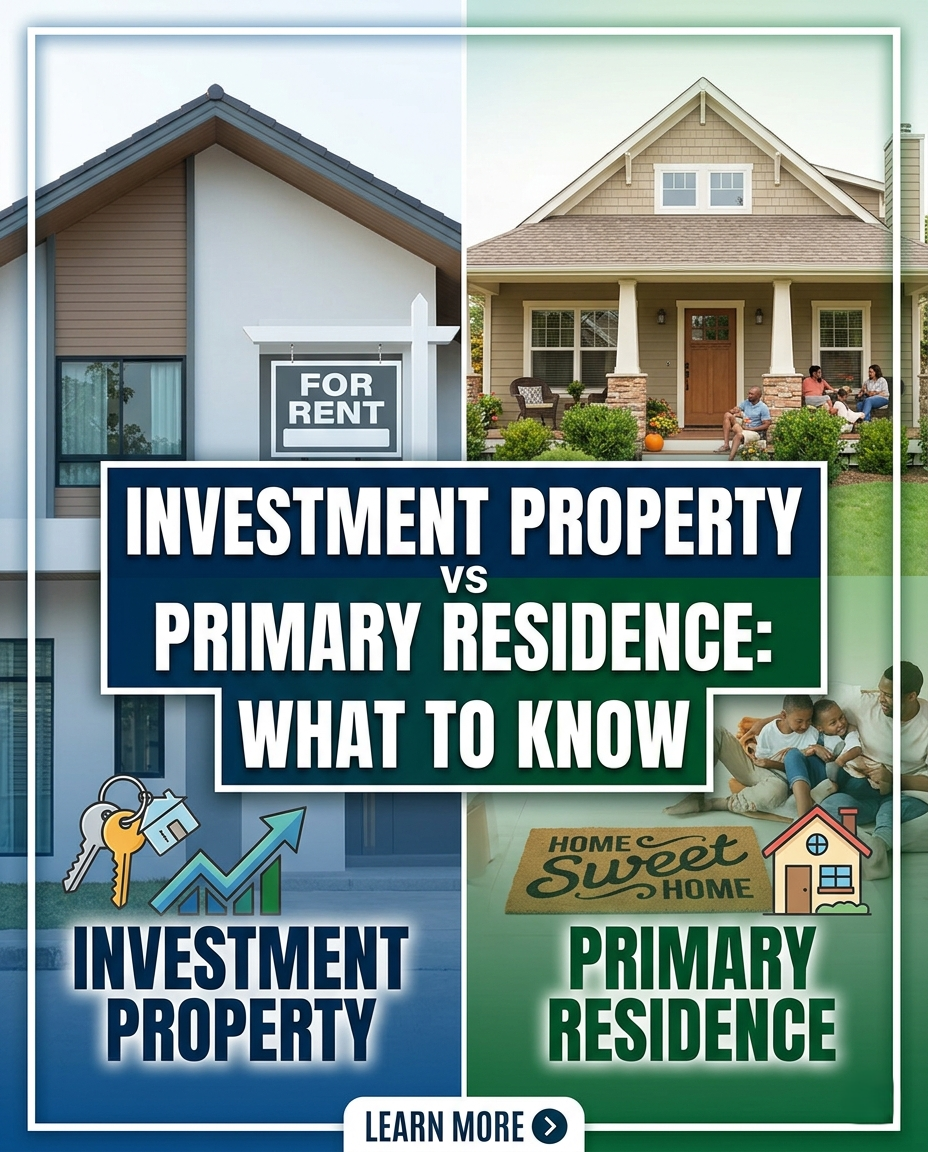
 Investment Property vs Primary Residence What to Know

Financing, Tax, and Insurance Differences

Financing Differences

Loans for primary residences offer the lowest down payments and most flexible terms. FHA, VA, USDA, and conventional loans all have first-time and owner-occupant friendly options. Investment property loans typically require twenty to twenty-five percent down, sometimes more for multi-unit properties, and come with slightly higher interest rates. Cash flow underwriting is sometimes used for investment properties, factoring potential rental income into qualifying.

Tax Considerations

Primary residences and investment properties are taxed very differently. Primary residence owners may exclude up to two hundred fifty thousand dollars of capital gains, or five hundred thousand for married couples filing jointly, when selling their primary home, subject to specific rules. Investment property owners can take advantage of depreciation, deduct expenses, and consider strategies like 1031 exchanges to defer capital gains. Each path has its own complexity, and a CPA familiar with real estate is well worth the conversation.

Insurance Considerations

Insurance differs depending on use. Owner-occupied policies are generally less expensive and more flexible than non-owner occupied or short-term rental policies. Coastal locations add another layer with wind, hail, and flood considerations. If you are turning a home into an investment property, alert your insurance agent so coverage matches the actual use of the home.

Lifestyle and Personal Goals

Beyond the numbers, the right designation depends on your goals. If you want to live the coastal lifestyle full-time, the primary residence path delivers the most favorable financing and taxes along with the day-to-day enjoyment of the home. If you want exposure to the strong Grand Strand rental market without relocating, an investment property structure might be the better fit. Many buyers eventually do both, starting with one path and adding to it over time.

Strategy

Strategy for Buyers

Decide upfront how you will actually use the home, not how you wish you could use it. Talk to a lender about which loan structures match your plans. Consult a CPA about the long-term tax implications of each path. Confirm insurance coverage that fits your actual use. And work with a real estate professional who can show you neighborhoods that perform well for your specific goal, whether that is full-time living, vacation use, or rental income.

Strategy for Investors

Investors should focus on neighborhoods with strong rental demand, manageable HOA structures if applicable, and reasonable insurance costs. The Grand Strand has many areas that perform well for short-term vacation rentals as well as long-term rentals. Investors who buy thoughtfully, manage well, and reinvest gains tend to build durable portfolios in this market.

Final Takeaway

The line between a primary residence, a second home, and an investment property is more than a paperwork distinction. It shapes your financing, your taxes, your insurance, and ultimately your long-term return on the property. Buyers who understand the differences from day one make smarter decisions and avoid the common mistakes that come from blurring the lines. With clear goals and good local guidance, the right path becomes much easier to choose.

Explore More on Our Site

To evaluate the investment angle, explore Airbnb investment opportunities, browse local multi-family homes for sale, or view Myrtle Beach condos for sale.

About Greg Harrelson

Greg Harrelson is a seasoned Realtor® with more than 30 years of experience serving the Myrtle Beach and Grand Strand markets. As the founder of Century 21 The Harrelson Group, Greg has built his career helping buyers, sellers, and investors achieve success in every corner of the coastal Carolina real estate market. His expertise spans residential homes, investment properties, land development, and coastal condos. Known for his deep local knowledge, innovative marketing strategies, and commitment to personal service, Greg consistently helps clients reach their real estate goals while navigating the ever-changing market with confidence and precision.
May 22, 2026

Short-Term Rental Rules in Myrtle Beach

Short-term rentals are one of the biggest reasons people invest in Myrtle Beach real estate. The vacation traffic, the strong rental demand, and the seasonal nature of the market all combine to make short-term rentals an attractive piece of many investment portfolios. Before purchasing a property with rental income in mind, every buyer should understand how short-term rental rules work in the Myrtle Beach area, because the rules vary by location, building, and use case more than most newcomers expect.

Why Short-Term Rentals Matter Here

Myrtle Beach is one of the most visited destinations on the East Coast, drawing millions of tourists every year. That traffic supports a strong vacation rental market, especially in oceanfront condos, ocean-view buildings, and homes within walking distance of the beach. For investors and second-home buyers, the ability to rent the property when not using it themselves is often a critical part of the financial picture.

The Layered Nature of the Rules

One of the most important things to understand is that short-term rental rules in this area come from multiple layers, including the city, the county, and the homeowners association or condo regime. Each layer can add its own requirements. A property might be allowed under city zoning but restricted under HOA rules. A condo building might allow short-term rentals broadly but require minimum stays during certain seasons. Buyers who only check one layer often discover surprises after closing.

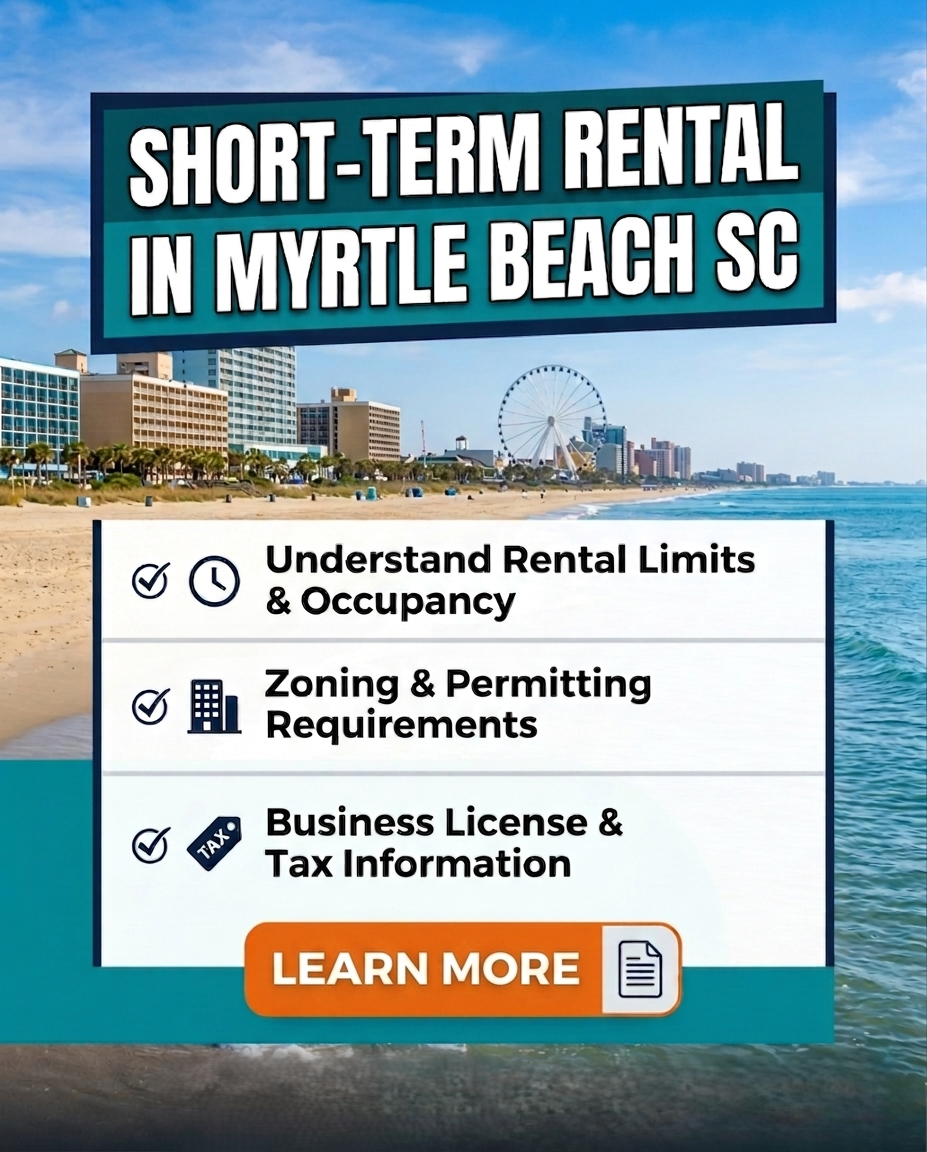
Short-Term Rental Rules in Myrtle Beach SCMunicipal and County Rules

City of Myrtle Beach Rules

The City of Myrtle Beach has zoning rules that designate where short-term rentals are allowed. Many traditional vacation areas, especially along the oceanfront and in mixed-use districts, allow short-term rentals as a matter of zoning. Some single-family residential zoning districts have more restrictive rules. The city has also addressed business licensing, accommodations tax collection, and registration requirements for short-term rental operators. Verifying current zoning for the specific address you are considering is an essential due diligence step.

North Myrtle Beach Rules

North Myrtle Beach is a separate municipality with its own zoning and regulatory framework. Many of the iconic vacation neighborhoods in North Myrtle Beach, including Cherry Grove and Ocean Drive, have a long tradition of short-term rentals. Specific zoning, registration, and tax requirements apply, so confirming the rules for the specific address is just as important here as in Myrtle Beach proper.

Surfside, Garden City, and Pawleys Island

Surfside Beach, Garden City, and Pawleys Island all have their own rules. Some areas embrace short-term rentals enthusiastically, others have implemented additional restrictions in recent years. Buyers focused on these communities should research the latest local ordinances and confirm them with their real estate professional and, when needed, with the relevant municipal office.

Horry County and Georgetown County

Outside the incorporated municipalities, short-term rentals fall under county-level regulation. Horry County and Georgetown County each have their own rules around accommodations tax, registration, and zoning. Buyers exploring properties in unincorporated areas should look at the county requirements specifically rather than assuming city rules apply.

HOA and Condo Building Rules

For condos and properties within HOAs, the building or community rules often matter more than municipal zoning. Some condo buildings on the Myrtle Beach oceanfront actively cater to short-term rentals and have professional on-site rental management. Other buildings limit rentals to a minimum thirty-day stay or longer. A few have eliminated short-term rentals altogether. Reading the bylaws, declarations, and most recent meeting minutes before going under contract is the only way to know for sure.

Taxes, Reporting, and Insurance

Taxes and Reporting

South Carolina collects accommodations tax on short-term rental income. Local jurisdictions also collect their own accommodations tax. As a rental operator, you are responsible for collecting these taxes from guests, remitting them to the appropriate agencies, and reporting income for state and federal tax purposes. Many operators use a property manager who handles tax remittance, while others handle it themselves through state and local online portals. Either way, planning for these taxes from day one prevents headaches later.

Insurance Considerations

A standard homeowners or condo policy is generally not sufficient for a short-term rental. Insurance carriers offer specific short-term rental products that cover liability and contents differently than owner-occupied policies. If a property will be operated as a rental, the insurance policy needs to reflect that use. Some lenders also have requirements about how the property can be used.

How This Shapes Buying Decisions

For buyers focused on rental income, the rules should drive the search. A condo building that does not allow short-term rentals is not the right purchase if your investment thesis depends on short-term income. A property in a single-family neighborhood with strict HOA rentals limits will not deliver the projected returns. Myrtle Beach real estate has plenty of properties that work beautifully as short-term rentals, but matching the right property to your goals requires understanding the rule layers from the start.

Strategy for Buyers

Define how you plan to use the property before touring. If short-term rental income is essential, focus on buildings and neighborhoods with proven track records and supportive rules. Verify city, county, and HOA rules in writing. Talk to current owners or rental managers about real performance data, not pro forma projections. And work with an agent who specializes in rental-friendly properties along the Grand Strand.

Final Takeaway

Short-term rental rules in Myrtle Beach are more nuanced than they appear on the surface. The good news is that the area has many properties and buildings where short-term rentals work well, and investors continue to find strong income opportunities here. By understanding the layered rules from city to county to HOA, buyers position themselves to choose properties that match their goals and avoid the common mistakes that come from assuming the rules without checking. Done correctly, short-term rentals remain one of the most rewarding ways to participate in the coastal South Carolina real estate market.

Explore More on Our Site

If short-term rental investing is on your radar, explore Airbnb investment opportunities, view Myrtle Beach condos for sale, or browse rental-friendly oceanfront condos.

About Greg Harrelson

Greg Harrelson is a seasoned Realtor® with more than 30 years of experience serving the Myrtle Beach and Grand Strand markets. As the founder of Century 21 The Harrelson Group, Greg has built his career helping buyers, sellers, and investors achieve success in every corner of the coastal Carolina real estate market. His expertise spans residential homes, investment properties, land development, and coastal condos. Known for his deep local knowledge, innovative marketing strategies, and commitment to personal service, Greg consistently helps clients reach their real estate goals while navigating the ever-changing market with confidence and precision.

May 21, 2026

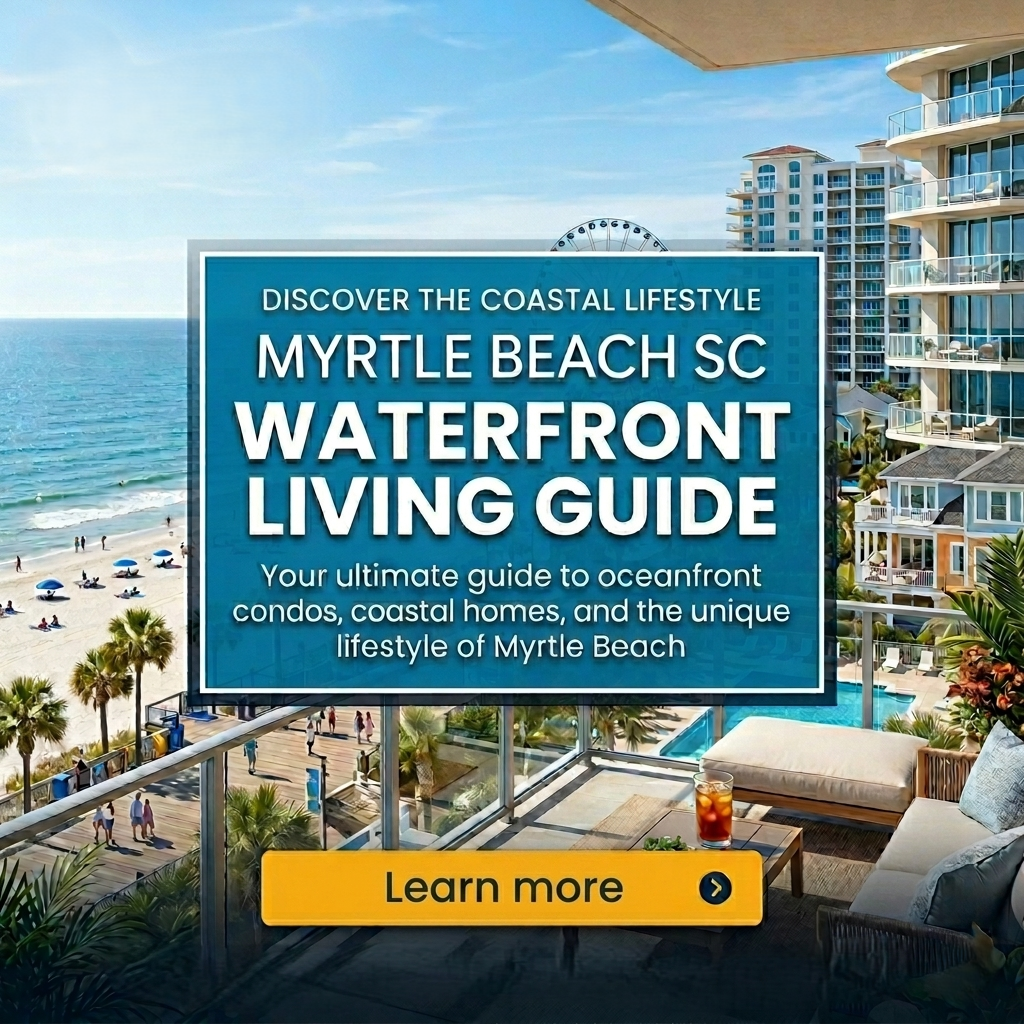
Myrtle Beach Waterfront Living Guide

Waterfront living is one of the most appealing lifestyles in coastal South Carolina, and Myrtle Beach offers an extraordinary range of options for buyers who want water at their doorstep. From oceanfront condos to Intracoastal Waterway estates, from marsh-front homes to lakeside neighborhoods, the Grand Strand delivers waterfront living in nearly every form. Choosing the right type of waterfront for your goals is the most important decision a waterfront buyer can make, because each style of waterfront comes with its own lifestyle, costs, and long-term considerations.

Why Waterfront Appeals to So Many Buyers

Living near the water changes how a day feels. Mornings near the ocean, afternoons on the dock, and evenings watching boats drift along the waterway create a daily rhythm that many people only experience on vacation. Waterfront homes also tend to hold value well because supply is naturally limited. There is only so much waterfront available, which supports prices over time, especially for the most desirable views and locations.

Types of Waterfront in the Grand Strand

Oceanfront Living

Oceanfront homes and condos provide the most direct connection to the beach. Many buyers gravitate to oceanfront condos in Myrtle Beach real estate because they offer the lifestyle and rental potential at price points more accessible than oceanfront single-family homes. Direct ocean access defines the experience, and rental performance for short-term vacation rentals tends to be strong in well-located buildings.

Intracoastal Waterway Living

The Intracoastal Waterway runs through the Grand Strand and offers a different waterfront experience. Boating, calm water views, and access to the open ocean from your dock create a lifestyle especially appealing to buyers who own boats or who want a quieter water experience than the open ocean offers. Communities like Grande Dunes and Plantation Lakes feature Intracoastal access, with custom estates lining the waterway.

Marsh and Inlet Living

Marsh-front and inlet homes deliver a uniquely Lowcountry experience. Murrells Inlet homes for sale and parts of Pawleys Island real estate bring buyers close to natural marshes, tidal creeks, and protected estuaries. Wildlife, birdlife, sunsets, and a peaceful pace are part of daily life here. Marsh living tends to attract buyers who value ecology, fishing, and serenity.

Lakefront and Lagoon Living

Many planned communities along the Grand Strand offer lakefront or lagoon-front homes. These freshwater settings deliver waterfront views and amenities like fishing and kayaking without the saltwater maintenance considerations of oceanfront or Intracoastal homes. Communities like Plantation Lakes and parts of Carolina Forest are known for their lakefront living.

Riverfront Options

The Waccamaw River and surrounding waterways offer riverfront living in places like Conway and parts of Georgetown County. Riverfront homes deliver a calm, natural water experience and are often more affordable than oceanfront or Intracoastal options.Myrtle Beach SC Waterfront Living Guide

Costs of Waterfront Living

Insurance

Waterfront homes generally carry higher insurance costs because of wind, hail, and flood considerations. Oceanfront homes carry the highest, while inland lakes and rivers may not require flood insurance. Always quote insurance early in the buying process so you understand the real annual cost.

HOA and Maintenance

Waterfront condos often have higher HOA fees because of master insurance, exterior maintenance, and amenity upkeep. Saltwater accelerates wear on docks, decks, hardware, and HVAC systems, so maintenance budgets should be set realistically.

Property Taxes

Property taxes in South Carolina are friendly for primary residences at the four percent assessment ratio. Waterfront vacation homes are assessed at six percent. Both are competitive with most other coastal markets.

What to Consider When Touring

Tour at multiple times of day and tide cycles. The look and feel of waterfront properties changes with tides, sunlight, and seasons. Visit during a windy day to see how exposed the property feels. Check the dock condition, seawall, bulkhead, or pier and whether they are private or shared. Confirm what permits or restrictions apply to expanding or rebuilding water access.

Strategy for Waterfront Buyers

Decide what kind of water you actually want. The lifestyle differences between oceanfront, Intracoastal, marsh, and lake are significant. Run the full carrying cost number including insurance, HOA, taxes, and maintenance. Tour broadly to compare. Get inspections from professionals familiar with coastal construction. And work with an agent who specializes in waterfront because the nuances are real and a knowledgeable agent can save you from costly mistakes.

Final Takeaway

Waterfront living in Myrtle Beach offers some of the most rewarding real estate experiences in coastal South Carolina. Whether you are drawn to oceanfront energy, Intracoastal boating, marsh tranquility, or lakefront calm, the Grand Strand has waterfront communities that can match your lifestyle and budget. With careful planning and the right local guidance, life on the water becomes an everyday reality rather than a vacation memory.

Explore More on Our Site

To go deeper on coastal living, browse Myrtle Beach oceanfront condos, explore oceanfront beach houses, or view Intracoastal Waterway condos.

About Greg Harrelson

Greg Harrelson is a seasoned Realtor® with more than 30 years of experience serving the Myrtle Beach and Grand Strand markets. As the founder of Century 21 The Harrelson Group, Greg has built his career helping buyers, sellers, and investors achieve success in every corner of the coastal Carolina real estate market. His expertise spans residential homes, investment properties, land development, and coastal condos. Known for his deep local knowledge, innovative marketing strategies, and commitment to personal service, Greg consistently helps clients reach their real estate goals while navigating the ever-changing market with confidence and precision.

May 20, 2026

Best Neighborhoods in North Myrtle Beach

North Myrtle Beach is one of the most distinctive communities along the Grand Strand, made up of several historic beach neighborhoods that each carry their own character, traditions, and real estate appeal. For buyers exploring this part of coastal South Carolina, knowing the differences between the neighborhoods is the most important step in finding a home that matches your lifestyle. Whether you want a quiet family beach, a vibrant historic district, or a luxury gated community, North Myrtle Beach has a neighborhood to match.

Why Neighborhood Choice Matters Here

North Myrtle Beach was originally formed by the merger of separate beach towns, and that origin still shapes daily life. Each neighborhood has its own pace, architecture, demographic mix, and reputation. That diversity is a feature, not a bug, because it means buyers with different priorities can all find a home that fits perfectly. The neighborhoods within North Myrtle Beach feel quite different from one another, even though they sit just minutes apart.

Best Neighborhoods in North Myrtle Beach SC

Cherry Grove

Cherry Grove sits at the very northern end of North Myrtle Beach and is beloved for its calm tidal channels, family-friendly beach, fishing pier, and laid-back, multi-generational atmosphere. Many of the homes are stilted beach houses, charming cottages, or newer rebuilds. Cherry Grove appeals strongly to families, second-home buyers, and anyone who prefers a quieter beach experience away from the busier tourist corridors.

Ocean Drive

Ocean Drive is the historic heart of North Myrtle Beach and the spiritual home of the Carolina Shag. Main Street comes alive with shag dancing, live music, and beach culture. Real estate ranges from oceanfront cottages to mid-rise condos, with strong rental performance for properties close to the beach. Ocean Drive is ideal for buyers who love community events, walkable energy, and rich beach culture.

Crescent Beach

Crescent Beach offers a more residential feel with single-family homes, condos, and mid-rise buildings. The neighborhood works well for buyers who want easy beach access without the energy of a busier district. Many full-time residents and seasonal owners gravitate to Crescent Beach because of its relaxed pace and community feel.

Windy Hill

Windy Hill is known for oceanfront condos and a strong residential vibe. The mix of rental performance, year-round livability, and slightly quieter streets makes Windy Hill a favorite for both second-home buyers and those who use the property full-time.

Tidewater Plantation

Tidewater Plantation is a gated community known for its championship golf course, Intracoastal Waterway access, and beautifully maintained homes. Tidewater appeals to buyers who want resort-style amenities, country club living, and architectural consistency in a private, peaceful setting.

Tilghman Estates and Tilghman Beach

Tilghman Estates and Tilghman Beach offer a luxury feel close to the ocean. The neighborhoods feature larger custom homes, mature landscaping, and strong curb appeal. Buyers seeking upscale beach living near North Myrtle Beach's main attractions often gravitate to this area.

Barefoot Resort

Barefoot Resort is one of the largest and most amenity-rich communities in the area. With multiple golf courses, an oceanfront cabana, a marina, swimming amenities, and a wide range of housing types, Barefoot is ideal for buyers who want a full lifestyle community. The mix of single-family homes, townhomes, and condos accommodates a wide range of price points.

Seaside Plantation and Seaside

Seaside-area neighborhoods deliver classic North Myrtle Beach charm with easy access to the beach, walking trails, and parks. These communities are popular with both full-time residents and seasonal owners and offer a balance of privacy and proximity.

Heather Glen and Other Inland Communities

Inland communities west of Highway 17 deliver excellent value, larger lots, and more home for the budget. Heather Glen (Little River) and similar neighborhoods are popular with buyers who want a slightly more suburban feel while still being just minutes from the beach. These areas tend to attract families and remote workers who appreciate space and value.

Choosing the Right Neighborhood

Tour broadly. North Myrtle Beach feels different from one neighborhood to the next, and you cannot understand the differences from photos alone. Walk Main Street in Ocean Drive on a Friday evening. Drive Cherry Grove on a quiet weekday morning. Visit Tidewater's clubhouse and Barefoot's amenities. The contrast between neighborhoods often clarifies the decision quickly.

Strategy for Buyers

Define what you want from your day-to-day. If beach culture is everything, focus on Ocean Drive and surrounding oceanfront. If you want resort amenities and golf, Tidewater or Barefoot may be your match. If you want a quieter, family-focused beach, look at Cherry Grove. If value and space matter most, explore the inland communities. Work with an agent who specializes in Myrtle Beach real estate across the Grand Strand and knows the personality of each neighborhood, because that knowledge makes the difference between a good purchase and a great one.

Final Takeaway

North Myrtle Beach is one of the most charming and varied real estate markets on the East Coast. The neighborhoods offer something for almost every kind of buyer, from active beach communities to quiet family enclaves to luxury gated golf neighborhoods. With careful touring and the right local guidance, you can choose a neighborhood that fits how you actually want to live and that keeps surprising you with reasons to love it for years.

Explore More on Our Site

Compare neighborhoods by exploring North Myrtle Beach real estate, the planned-community feel of Charleston Landing, or the active-adult lifestyle at Del Webb North Myrtle Beach.

About Greg Harrelson

Greg Harrelson is a seasoned Realtor® with more than 30 years of experience serving the Myrtle Beach and Grand Strand markets. As the founder of Century 21 The Harrelson Group, Greg has built his career helping buyers, sellers, and investors achieve success in every corner of the coastal Carolina real estate market. His expertise spans residential homes, investment properties, land development, and coastal condos. Known for his deep local knowledge, innovative marketing strategies, and commitment to personal service, Greg consistently helps clients reach their real estate goals while navigating the ever-changing market with confidence and precision.

May 19, 2026

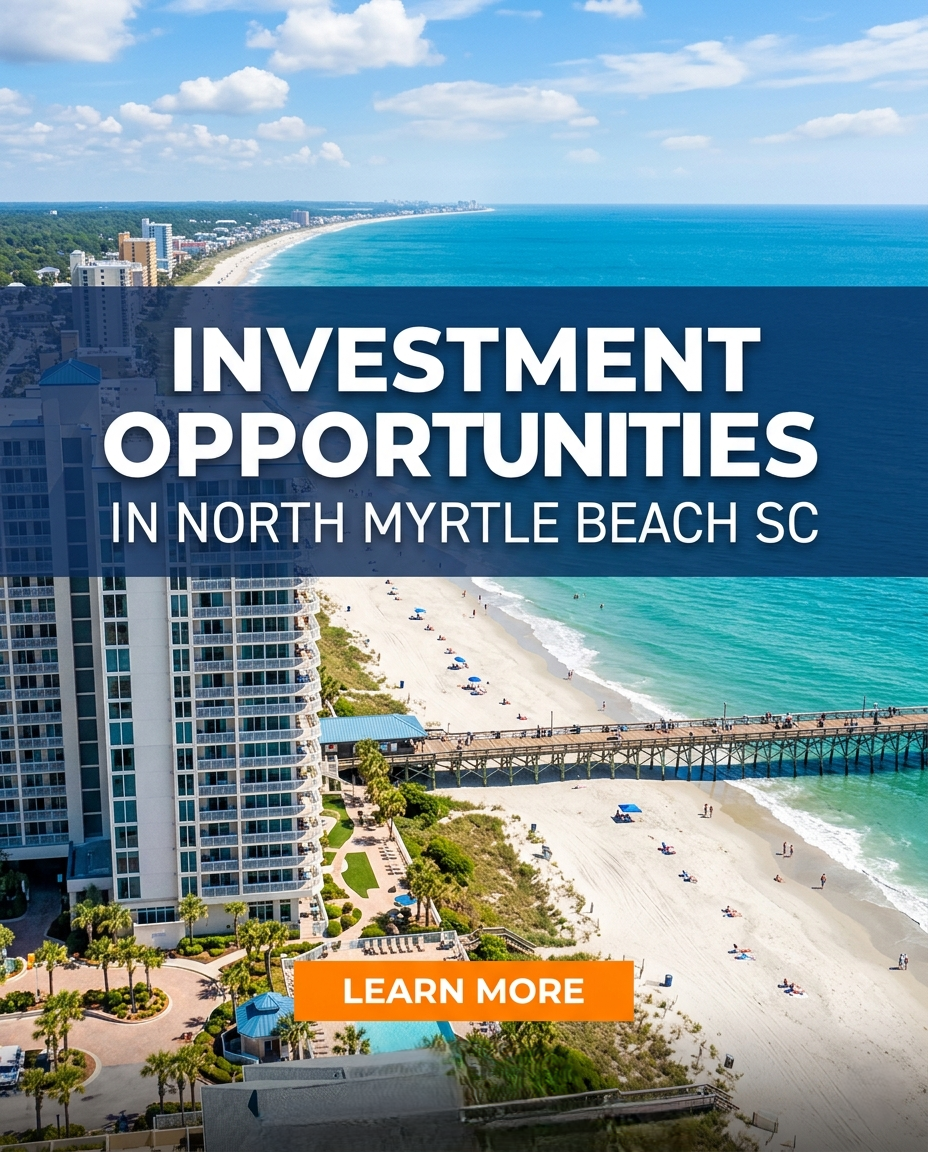
Investment Opportunities in North Myrtle Beach

North Myrtle Beach has long been one of the most attractive real estate investment markets along the Grand Strand. The city's strong vacation rental traffic, historic neighborhoods, growing year-round population, and steady demand from second-home buyers create a layered set of opportunities for investors. Whether you are looking at short-term rentals, long-term rentals, or appreciation-driven plays, North Myrtle Beach rewards investors who match the right property type to the right strategy.

Why North Myrtle Beach Works for Investors

North Myrtle Beach has built its reputation as a family beach destination. That reputation pulls vacation traffic year after year, especially in the summer high season and through the spring shag and golf seasons. The vacation rental ecosystem is mature, with established rental management companies, professional cleaning services, and a strong inventory of beach-friendly rental homes and condos. For investors, that maturity reduces the operating friction that can make short-term rentals difficult elsewhere.

Short-Term Rental Investments

Oceanfront Condos

Oceanfront condos in Cherry Grove, Ocean Drive, Crescent Beach, and Windy Hill consistently perform well as short-term rentals. Vacationers prioritize ocean views and direct beach access, which means well-located oceanfront units can command strong nightly rates. The HOA fees are typically higher in oceanfront buildings, so investors should pay close attention to the all-in carrying cost when evaluating returns.

Single-Family Beach Homes

Single-family beach homes, especially in Cherry Grove and Ocean Drive, often deliver strong vacation rental income because families prefer house rentals when traveling with multiple generations. The setup costs are higher, but the nightly rates and minimum-stay capabilities can produce attractive returns when the property is well-managed.

Mid-Rise and Resort Condos

Mid-rise resort-style condos in places like Barefoot Resort and the Tilghman area offer solid rental performance with lower entry price points than oceanfront units. Many of these buildings have professional rental programs that simplify management.

Long-Term Rental Investments

The North Myrtle Beach population continues to grow, and long-term rentals remain a strong piece of the investment landscape. Long-term tenants include service workers, healthcare professionals, retirees, and remote workers who want to live near the beach without owning. Inland communities and homes outside the most tourist-heavy zones often work well for long-term rentals because they balance tenant demand with manageable acquisition prices.

Buy-and-Hold Appreciation

Beyond rental income, many investors in Myrtle Beach real estate across the Grand Strand approach North Myrtle Beach as a long-term appreciation play. The combination of limited buildable beachfront land, steady migration into the area, and a strong vacation reputation supports value over time. Buy-and-hold investors often pair appreciation with vacation rental income to create a balanced strategy.

Please rewrite this for Facebook post The Numbers Investors Should Run

Acquisition Costs

Investment property loans typically require larger down payments than primary residence loans, often twenty to twenty-five percent. Closing costs, inspections, furnishings for vacation rentals, and any initial repairs all need to be in the budget.

Operating Costs

HOA fees, property taxes at the six percent assessment ratio, wind and hail insurance, flood insurance where applicable, utilities, cleaning, maintenance, and rental management commissions all reduce gross rental income to net. Realistic numbers, not best-case projections, produce sustainable investments.

Rental Performance Data

Talk with rental management companies, current owners, and your real estate agent to gather real performance data on similar properties before committing. Pro forma projections from listing agents are often optimistic. Real numbers from real owners tell you what to expect.

Rules to Verify

Short-term rental rules in North Myrtle Beach are generally supportive in many neighborhoods, but specifics vary. The City of North Myrtle Beach has zoning, registration, and accommodations tax requirements. HOA documents may add their own restrictions. A property that looks great on paper but cannot legally operate as a short-term rental will not deliver the projected returns. Verify rules in writing before going under contract.

Risk Considerations

Coastal markets carry real risks investors should plan for. Storm exposure, insurance volatility, seasonal demand, and the possibility of regulatory shifts all need to be part of the analysis. The strongest investors maintain reserves, work with experienced local property managers, and stay flexible about strategy as conditions change.

Strategy for Investors

Define your strategy first. Short-term rental, long-term rental, and pure appreciation each call for different property types and neighborhoods. Get pre-qualified with a lender experienced in investment loans. Work with an agent who specializes in investment property and can interpret data on the specific buildings and neighborhoods you are evaluating. And build a team that includes a property manager, an insurance agent who understands coastal markets, and a CPA familiar with real estate.

Final Takeaway

North Myrtle Beach continues to be one of the most rewarding investment markets along the East Coast. The vacation traffic, the strong rental ecosystem, the steady population growth, and the limited beach inventory create a layered opportunity set for investors who plan well. With clear strategy, realistic numbers, and the right local team, North Myrtle Beach can play a strong role in a long-term real estate portfolio.

Explore More on Our Site

If you are weighing investment options, browse North Myrtle Beach real estate, learn more about Airbnb investment opportunities, or view local multi-family homes for sale.

About Greg Harrelson

Greg Harrelson is a seasoned Realtor® with more than 30 years of experience serving the Myrtle Beach and Grand Strand markets. As the founder of Century 21 The Harrelson Group, Greg has built his career helping buyers, sellers, and investors achieve success in every corner of the coastal Carolina real estate market. His expertise spans residential homes, investment properties, land development, and coastal condos. Known for his deep local knowledge, innovative marketing strategies, and commitment to personal service, Greg consistently helps clients reach their real estate goals while navigating the ever-changing market with confidence and precision.

May 18, 2026

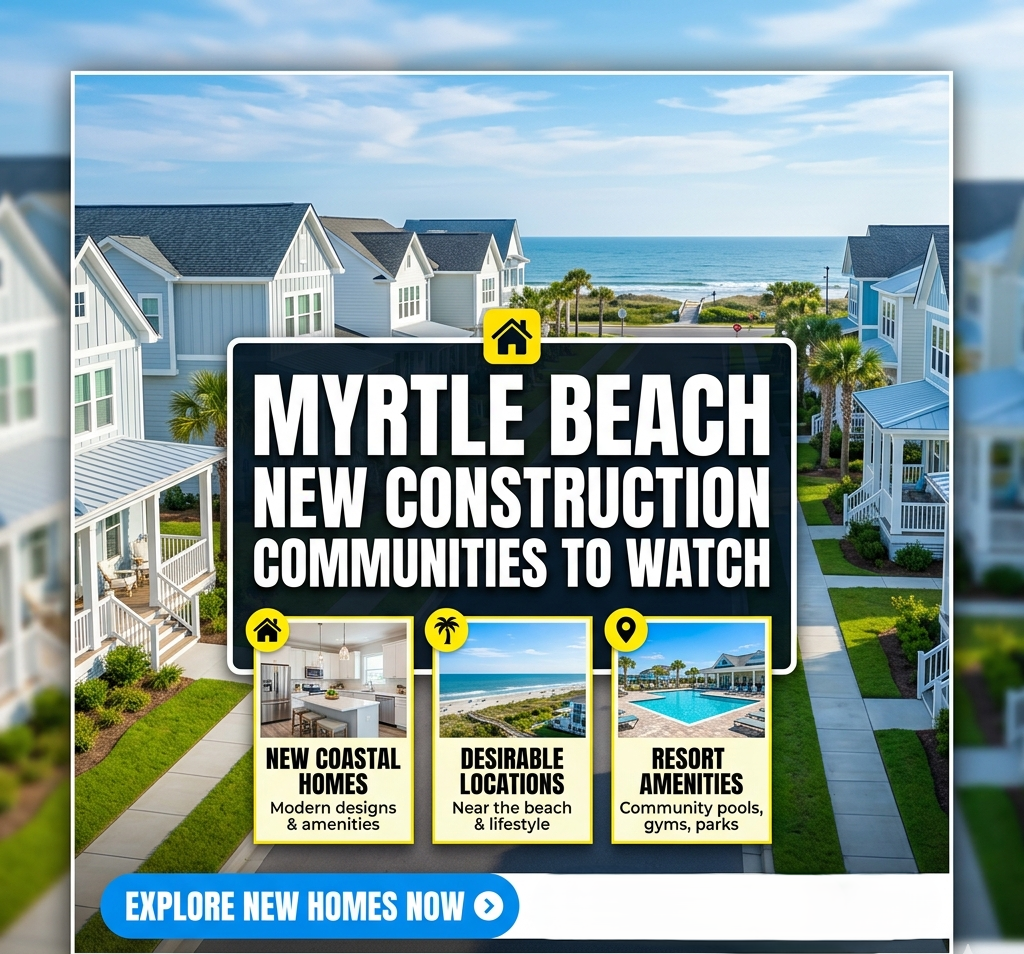
Myrtle Beach New Construction Communities to Watch

New construction is one of the most active and exciting parts of the Myrtle Beach real estate market. Builders continue to introduce communities that match the way buyers actually want to live, with modern open floor plans, energy-efficient features, lifestyle amenities, and locations close to the beach, golf, dining, and the area's growing healthcare network. For buyers exploring a fresh build, knowing which communities are most worth watching helps narrow the search and identify where the best long-term value is being created.

Why New Construction Has Been So Strong Here

The Grand Strand has been one of the fastest-growing areas in the country for several years, and new construction has scaled up to meet the demand. Builders large and small operate across Horry and Georgetown Counties, delivering everything from entry-level townhomes to luxury custom estates. New construction allows buyers to enjoy the latest construction codes, modern layouts, builder warranties, and features that older homes often need to be retrofitted to provide.

Top Areas for New Construction

Carolina Forest Communities

Carolina Forest is one of the largest and most popular master-planned areas in the region, and several active new construction communities continue to deliver homes there. Buyers gravitate to Carolina Forest for its central location, strong schools, and amenity-rich neighborhoods. New phases regularly open with single-family homes, townhomes, and lifestyle communities focused on families, professionals, and remote workers. Carolina Forest is consistently one of the best new construction areas to watch on the Grand Strand.  Traditions at Carolina Forest is a new neighborhood to explore.

Market Common

Market Common continues to deliver new homes within one of the area's most lifestyle-driven destinations. Buyers love being able to walk to dining, shopping, parks, and entertainment from their new home. Townhomes, single-family homes, and condos are part of the ongoing development. For buyers who value walkability and a built-in community feel, Market Common stands out as a top new construction destination.

Grande Dunes

Grande Dunes remains one of the most prestigious areas for luxury new construction. The community continues to expand with custom estates, new communities like Maravilla, golf course homes, and Intracoastal Waterway properties. For buyers seeking high-end finishes, ocean access, and resort-style amenities, Grande Dunes is one of the best new construction areas in Myrtle Beach real estate.

Prince Creek and Murrells Inlet

Prince Creek in Murrells Inlet has been a top new construction destination for years. The community offers a wide variety of price points, from approachable single-family homes to luxury estates within gated enclaves. Builders continue to add new phases that capitalize on the area's golf course views, lake amenities, and proximity to the MarshWalk. Prince Creek is a perennial favorite for buyers who want a quieter coastal lifestyle with strong amenities.

Conway and the West Side of Highway 31

Conway SC real estate and the surrounding inland areas west of Highway 31 are another major new construction hotspot. Builders are delivering accessible single-family homes that appeal to first-time buyers, families, and retirees who appreciate value and slightly more land. The communities here often offer lower price points than oceanfront markets while still providing easy access to the beach and to all the conveniences along the Grand Strand.

Longs and the North End

Longs SC real estate and the surrounding rural-suburban communities have seen significant new construction growth, especially appealing to buyers seeking value and space. Builders are creating well-designed homes at competitive price points, often in communities with their own amenity centers. For buyers willing to be a few miles further from the beach in exchange for strong value, the north end is one of the most exciting areas to watch.

Carolina Bays Parkway and Highway 31 Corridor

The Carolina Bays Parkway corridor has unlocked new construction opportunities across a stretch of the Grand Strand that used to be more difficult to access. Today, buyers can live in newer communities along this corridor and reach Myrtle Beach, North Myrtle Beach, and Conway quickly. Builders have responded with thoughtfully planned communities that combine convenience and amenity-rich living.

Pawleys Island and Litchfield

Although new construction is more limited here than in Horry County, select communities and pocket developments continue to deliver new homes in Pawleys Island and Litchfield. Buyers drawn to the laid-back Lowcountry lifestyle of Georgetown County often find that new construction here moves more slowly but offers the kind of quality and location that justifies the wait.

New construction is one of the most active and exciting parts of the Myrtle Beach real estate market. Builders continue to introduce communities that match the way buyers actually want to live, with modern open floor plans, energy-efficient features, lifestyle amenities, and locations close to the beach, golf, dining, and the area's growing healthcare network. For buyers exploring a fresh build, knowing which communities are most worth watching helps narrow the search and identify where the best long-term value is being created.  Why New Construction Has Been So Strong Here The Grand Strand has been one of the fastest-growing areas in the country for several years, and new construction has scaled up to meet the demand. Builders large and small operate across Horry and Georgetown Counties, delivering everything from entry-level townhomes to luxury custom estates. New construction allows buyers to enjoy the latest construction codes, modern layouts, builder warranties, and features that older homes often need to be retrofitted to provide.  Top Areas for New Construction Carolina Forest Communities Carolina Forest is one of the largest and most popular master-planned areas in the region, and several active new construction communities continue to deliver homes there. Buyers gravitate to Carolina Forest for its central location, strong schools, and amenity-rich neighborhoods. New phases regularly open with single-family homes, townhomes, and lifestyle communities focused on families, professionals, and remote workers. Carolina Forest is consistently one of the best new construction areas to watch on the Grand Strand.  Traditions at Carolina Forest is a new neighborhood to explore.  Market Common Market Common continues to deliver new homes within one of the area's most lifestyle-driven destinations. Buyers love being able to walk to dining, shopping, parks, and entertainment from their new home. Townhomes, single-family homes, and condos are part of the ongoing development. For buyers who value walkability and a built-in community feel, Market Common stands out as a top new construction destination.  Grande Dunes Grande Dunes remains one of the most prestigious areas for luxury new construction. The community continues to expand with custom estates, new communities like Maravilla, golf course homes, and Intracoastal Waterway properties. For buyers seeking high-end finishes, ocean access, and resort-style amenities, Grande Dunes is one of the best new construction areas in Myrtle Beach real estate.  Prince Creek and Murrells Inlet Prince Creek in Murrells Inlet has been a top new construction destination for years. The community offers a wide variety of price points, from approachable single-family homes to luxury estates within gated enclaves. Builders continue to add new phases that capitalize on the area's golf course views, lake amenities, and proximity to the MarshWalk. Prince Creek is a perennial favorite for buyers who want a quieter coastal lifestyle with strong amenities.  Conway and the West Side of Highway 31 Conway SC real estate and the surrounding inland areas west of Highway 31 are another major new construction hotspot. Builders are delivering accessible single-family homes that appeal to first-time buyers, families, and retirees who appreciate value and slightly more land. The communities here often offer lower price points than oceanfront markets while still providing easy access to the beach and to all the conveniences along the Grand Strand.  Longs and the North End Longs SC real estate and the surrounding rural-suburban communities have seen significant new construction growth, especially appealing to buyers seeking value and space. Builders are creating well-designed homes at competitive price points, often in communities with their own amenity centers. For buyers willing to be a few miles further from the beach in exchange for strong value, the north end is one of the most exciting areas to watch.  Carolina Bays Parkway and Highway 31 Corridor The Carolina Bays Parkway corridor has unlocked new construction opportunities across a stretch of the Grand Strand that used to be more difficult to access. Today, buyers can live in newer communities along this corridor and reach Myrtle Beach, North Myrtle Beach, and Conway quickly. Builders have responded with thoughtfully planned communities that combine convenience and amenity-rich living.  Pawleys Island and Litchfield Although new construction is more limited here than in Horry County, select communities and pocket developments continue to deliver new homes in Pawleys Island and Litchfield. Buyers drawn to the laid-back Lowcountry lifestyle of Georgetown County often find that new construction here moves more slowly but offers the kind of quality and location that justifies the wait.  What to Look for When Touring New Construction When evaluating any new construction community, look beyond the model home. Tour the broader community, check the planned amenities, ask about the timeline for phases that have not yet been built, and review the homeowner association documents and budget. Visit at multiple times of day to get a feel for traffic, noise, and the actual neighborhood vibe. A great new home in a community that does not match your lifestyle often becomes a regret over time.  Strategy for New Construction Buyers Work with an agent who represents you, not the builder. Builders use sales representatives who work for the builder. Having an agent on your side during contract review, option selections, inspections, and closing protects your interests. Ask about builder incentives, lender preferred-buyer programs, and warranty details. And get pre-approved before negotiating because builders are far more willing to discuss terms with serious buyers.  Final Takeaway New construction continues to be one of the most exciting parts of Myrtle Beach real estate. The variety of communities, builders, and price points means most buyers can find a fresh build that matches their lifestyle and budget. By focusing on the right communities, working with experienced local representation, and understanding the long-term picture of each neighborhood, buyers can find a brand-new home that delivers years of comfort, value, and enjoyment along the Grand Strand.  Explore More on Our Site For more on building or buying new along the Grand Strand, browse new construction homes in Myrtle Beach, explore Carolina Forest real estate, or take a closer look at Grande Dunes homes.

What to Look for When Touring New Construction

When evaluating any new construction community, look beyond the model home. Tour the broader community, check the planned amenities, ask about the timeline for phases that have not yet been built, and review the homeowner association documents and budget. Visit at multiple times of day to get a feel for traffic, noise, and the actual neighborhood vibe. A great new home in a community that does not match your lifestyle often becomes a regret over time.

Strategy for New Construction Buyers

Work with an agent who represents you, not the builder. Builders use sales representatives who work for the builder. Having an agent on your side during contract review, option selections, inspections, and closing protects your interests. Ask about builder incentives, lender preferred-buyer programs, and warranty details. And get pre-approved before negotiating because builders are far more willing to discuss terms with serious buyers.

Final Takeaway

New construction continues to be one of the most exciting parts of Myrtle Beach real estate. The variety of communities, builders, and price points means most buyers can find a fresh build that matches their lifestyle and budget. By focusing on the right communities, working with experienced local representation, and understanding the long-term picture of each neighborhood, buyers can find a brand-new home that delivers years of comfort, value, and enjoyment along the Grand Strand.

Explore More on Our Site

For more on building or buying new along the Grand Strand, browse new construction homes in Myrtle Beach, explore Carolina Forest real estate, or take a closer look at Grande Dunes homes.

About Greg Harrelson

Greg Harrelson is a seasoned Realtor® with more than 30 years of experience serving the Myrtle Beach and Grand Strand markets. As the founder of Century 21 The Harrelson Group, Greg has built his career helping buyers, sellers, and investors achieve success in every corner of the coastal Carolina real estate market. His expertise spans residential homes, investment properties, land development, and coastal condos. Known for his deep local knowledge, innovative marketing strategies, and commitment to personal service, Greg consistently helps clients reach their real estate goals while navigating the ever-changing market with confidence and precision.

Posted in For Buyers
May 15, 2026

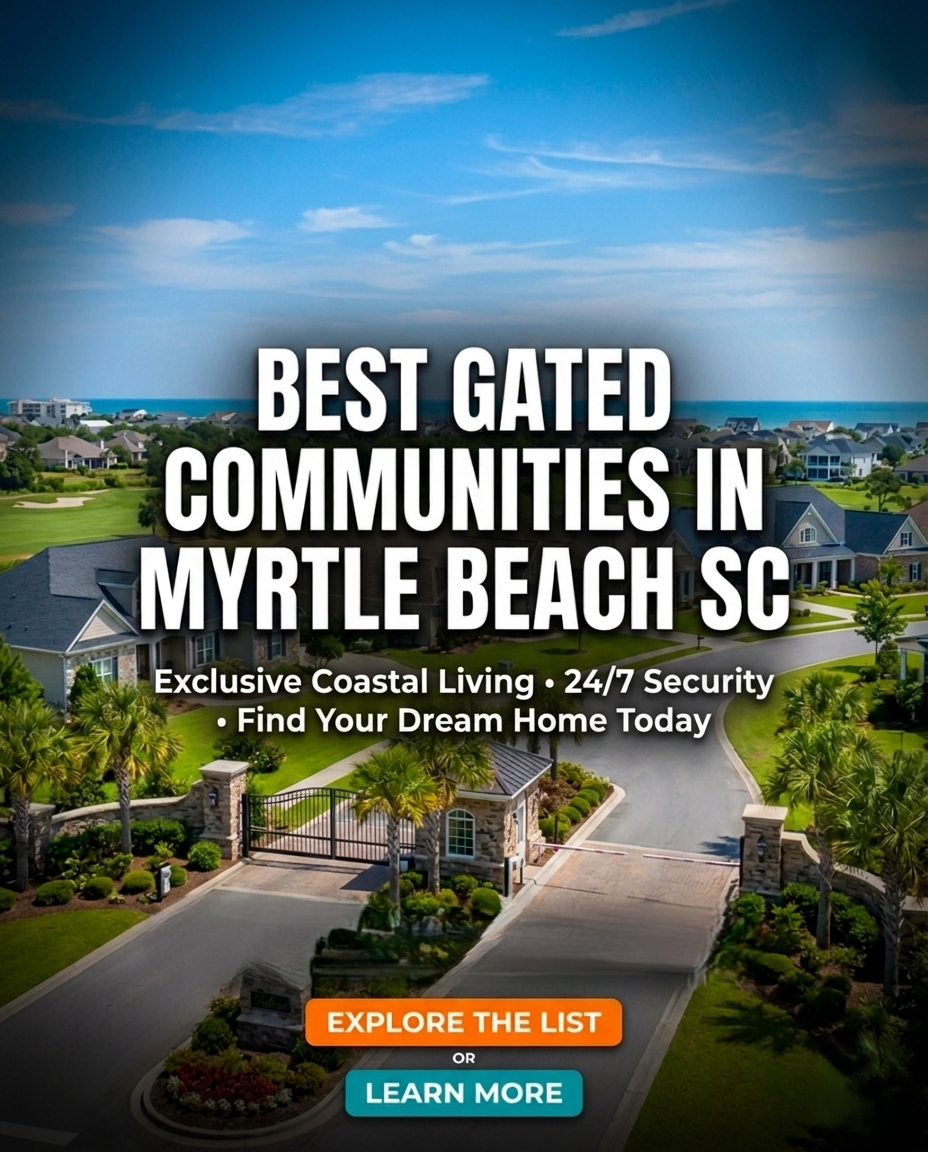
Best Gated Communities in Myrtle Beach

Gated communities have always held a special appeal for buyers who value privacy, security, amenities, and a strong sense of community. Myrtle Beach has a wonderful mix of gated neighborhoods that range from intimate enclaves of luxury homes to large master-planned communities with golf, pools, clubhouses, and miles of walking trails. For retirees, second-home buyers, full-time relocators, and luxury buyers, choosing the right gated community is often the most important decision in the entire home search.

Why Gated Communities Are So Popular Here

The Grand Strand attracts buyers from all over the country, and many of them prioritize the kind of lifestyle that gated communities deliver. Controlled access creates a quieter, more private environment. Shared amenities reduce maintenance and create natural social opportunities. Curb appeal tends to be consistent because of architectural standards and active homeowner associations. For buyers who want everyday living to feel like a resort, gated communities deliver that experience consistently.

Best Gated Communities in Myrtle Beach

Top Gated Communities to Tour

Grande Dunes

Grande Dunes is one of the most prestigious gated communities along the Grand Strand. The community features luxury single-family homes, golf course living, multiple amenity centers, and a stunning location along the Intracoastal Waterway. Residents enjoy access to championship golf, an Ocean Club, marinas, fitness facilities, and beautifully maintained common areas. Grande Dunes is a strong fit for buyers seeking elevated coastal living with deep amenity offerings within Myrtle Beach real estate.

Plantation Lakes

Plantation Lakes is a large gated community in the Carolina Forest area, well-known for its expansive lake system, tree-lined streets, and resort-style amenities. The community features a clubhouse, pool, fitness center, tennis courts, sand volleyball, basketball courts, and a boat ramp. Plantation Lakes is popular with families, retirees, and remote workers who appreciate a quiet but socially active neighborhood.

The Bays at Prince Creek

Prince Creek in Murrells Inlet is a sprawling master-planned community with several distinct gated neighborhoods, including The Bays. Residents enjoy a Linksman Golf Club, a privately accessed amenity center, and a quieter pace just minutes from the MarshWalk. Prince Creek's mix of single-family homes, custom lots, and luxury options makes it a strong choice for buyers exploring upscale coastal living away from the busiest sections of Myrtle Beach proper.

The Reserve at Litchfield Beach

Just south in Pawleys Island and Litchfield, The Reserve at Litchfield Beach is a beautifully gated community offering a marina, golf, beach club access, and a peaceful Lowcountry feel. The mix of homes ranges from coastal cottages to large estate properties. The Reserve is a wonderful match for buyers seeking a more secluded, refined lifestyle with strong amenities and natural beauty.

The Members Club at Grande Dunes

Within Grande Dunes itself, several smaller gated enclaves offer additional privacy and exclusivity. The Members Club at Grande Dunes features luxury homes alongside a Nick Price-designed golf course and a private clubhouse. For buyers seeking the highest levels of privacy and amenity in the area, this kind of community within a community is hard to match.

Other Gated Options Worth Touring

The Grand Strand offers many other gated communities worth exploring. Wachesaw Plantation, Tradition Club, Pawleys Plantation, Long Bay, and several smaller gated enclaves throughout Pawleys Island, Murrells Inlet, and North Myrtle Beach each have their own personality, price points, and amenities. The right fit depends on what you value most in your day-to-day lifestyle.

What to Look for When Touring

When evaluating a gated community, consider the strength of the homeowner association, the quality and condition of amenities, the architectural standards that protect property values, and the active social calendar. A well-run HOA with healthy reserves, clear rules, and engaged residents creates the kind of long-term experience that justifies the fees and reinforces home values.

Drive the streets at multiple times of day. Visit the amenities. Look at the maintenance of common areas. Talk to residents if you can. The feel of a community is impossible to capture in photos alone, and a few hours on site usually tells you whether it is the right fit.

Costs and Considerations

Gated communities typically have higher HOA fees than non-gated neighborhoods because of the gate operations, amenity maintenance, and landscaping standards. The fees should match the experience and amenities the community delivers. Reviewing the budget, reserve study, and recent meeting minutes gives you a clear sense of long-term financial health. Insurance and property tax considerations apply across all communities, but coastal proximity may affect costs more in beachfront gated neighborhoods.

Strategy for Buyers

Be honest about how much amenity you actually want and what stage of life you are in. A young family will likely use pools, playgrounds, and tennis courts heavily. A retiree may prioritize golf, a clubhouse, and walking trails. A second-home buyer might value security and curb appeal more than active amenities. The best gated community for you is the one that matches your real lifestyle, not just an idealized version of it. Tour broadly, including options outside the most prominent communities. Some hidden gems offer wonderful value and lifestyle without the highest fees in the area.

Final Takeaway

The Grand Strand has some of the most appealing gated communities in coastal South Carolina, and the right one can deliver an exceptional everyday experience for years to come. Whether you are drawn to luxury, golf, water access, or a quieter pace, the area offers gated options that match a wide range of priorities and budgets. With careful touring and the right local guidance, you can choose a community that fits your life and supports the long-term value of your investment.

Explore More on Our Site

Tour several of the area's premier gated communities, including Kingston Plantation, Grande Dunes, and Barefoot Resort.

About Greg Harrelson

Greg Harrelson is a seasoned Realtor® with more than 30 years of experience serving the Myrtle Beach and Grand Strand markets. As the founder of Century 21 The Harrelson Group, Greg has built his career helping buyers, sellers, and investors achieve success in every corner of the coastal Carolina real estate market. His expertise spans residential homes, investment properties, land development, and coastal condos. Known for his deep local knowledge, innovative marketing strategies, and commitment to personal service, Greg consistently helps clients reach their real estate goals while navigating the ever-changing market with confidence and precision.

May 14, 2026

Oceanfront vs Inland Homes in Myrtle Beach

One of the most common decisions buyers wrestle with in Myrtle Beach real estate is whether to buy oceanfront or to settle a few miles inland. Both options have real appeal, and both come with tradeoffs that affect cost, lifestyle, maintenance, and long-term value. Understanding what each path actually delivers helps you choose the home that fits how you really want to live, not just the postcard image of coastal life.

Why This Choice Matters More Than It Sounds

Oceanfront and inland homes in the Myrtle Beach area can sit just a few miles apart, but the daily living experience can feel quite different. So can the financial picture. Insurance, taxes, HOA fees, maintenance, and resale dynamics all shift depending on how close you are to the water. Walking through these differences early helps you skip homes that will not actually fit your goals.

Oceanfront vs Inland Homes in Myrtle Beach SC

The Case for Oceanfront Living

Lifestyle and Daily Experience

An oceanfront home delivers something nothing else can replicate. The sound of the surf, the morning sunrise over the water, and direct access to the beach are part of daily life. For many buyers, especially second-home owners and those building generational memories with family, that experience justifies the higher price and ongoing costs.

Rental Performance

Oceanfront properties also tend to perform well as short-term rentals. Vacationers prioritize ocean views and direct beach access, so well-located oceanfront condos and homes often command premium nightly rates and strong occupancy. For buyers who plan to rent the property when not using it themselves, that income potential is a meaningful factor.

The Cost Side of Oceanfront

Oceanfront homes carry the highest price per square foot in Myrtle Beach real estate, especially for direct ocean views. Insurance is more expensive because of wind, hail, and flood considerations. HOA fees in oceanfront condo buildings tend to be higher because the master insurance policy and exterior maintenance costs are larger. Saltwater also accelerates wear on HVAC systems, exterior finishes, hardware, and outdoor furnishings.

The Case for Inland Living

More Home for Your Budget

Inland homes, even those just a few minutes from the beach, offer significant financial advantages. You typically get more square footage, larger lots, more amenities like garages and yards, and lower insurance costs. Many inland communities have excellent neighborhood pools, golf, and clubhouses that deliver a strong lifestyle without the oceanfront premium.

Day-to-Day Living

For full-time residents, inland living often makes more sense day-to-day. You can drive to the beach when you want and live in a quieter, less tourist-dense neighborhood the rest of the time. School-aged families, professionals working remotely, and many retirees gravitate toward inland communities because the value-to-quality ratio is hard to beat.

Lifestyle Differences

Oceanfront living puts you in the middle of beach culture year-round. That can be wonderful in spring and fall and busy in summer when tourist traffic increases. Inland communities sit outside the high-traffic zones and tend to feel more residential and quieter, especially during peak season. Some buyers love the energy of being right at the beach. Others prefer to visit the beach and come back to a calmer neighborhood.

Maintenance and Cost Considerations

Maintenance

Oceanfront homes need more frequent maintenance. Salt and sand work their way into everything. Exterior paint, decks, screens, hardware, and HVAC equipment all wear faster than they do inland. Owners who plan for that maintenance enjoy their homes more. Owners who do not often face larger surprise bills down the road. Inland homes are easier on materials. Many of the same coastal weather considerations exist, but the salt exposure is dramatically lower. Long-term ownership cost is often noticeably lower as a result.

Insurance and HOA

Oceanfront homes typically carry higher wind and hail premiums and may require flood coverage. Condo HOA fees in oceanfront buildings can be significantly higher because the master policy covers more risk and exterior maintenance is more demanding. Inland HOA structures tend to be lighter, especially in single-family communities. Pricing the actual annual cost of ownership before going under contract gives you the real picture.

Resale Dynamics

Oceanfront homes tend to hold value well because supply is limited. They will always have buyers who want direct beach access. Inland homes also hold value well, especially in well-located communities with strong amenities and good schools. The right inland home in a desirable neighborhood often appreciates beautifully and is easier to maintain over the long run.

Strategy for Buyers

Be clear about how you will actually use the home. If beach lifestyle is the entire reason you are buying and you plan to be at the property frequently or rent it heavily, oceanfront may justify the premium. If you want everyday quality of life, more space, and lower carrying costs while still being close to the beach, inland is often the smarter financial choice. Tour both. Walk the beach from the oceanfront property you are considering. Then drive five or ten minutes inland, considering communities such as Market Common, and tour a comparable home. The contrast between what each price point delivers can quickly clarify your decision.

Final Takeaway

Oceanfront and inland homes in Myrtle Beach each have a strong case to make. There is no universal right answer. The right home is the one that matches your lifestyle, your budget, and how you want to live in coastal South Carolina. Working with a local agent who understands the differences in cost, maintenance, and rental potential helps you weigh the tradeoffs honestly and find a property that you will love for years.

About Greg Harrelson

Greg Harrelson is a seasoned Realtor® with more than 30 years of experience serving the Myrtle Beach and Grand Strand markets. As the founder of Century 21 The Harrelson Group, Greg has built his career helping buyers, sellers, and investors achieve success in every corner of the coastal Carolina real estate market. His expertise spans residential homes, investment properties, land development, and coastal condos. Known for his deep local knowledge, innovative marketing strategies, and commitment to personal service, Greg consistently helps clients reach their real estate goals while navigating the ever-changing market with confidence and precision.

Posted in For Buyers
May 13, 2026

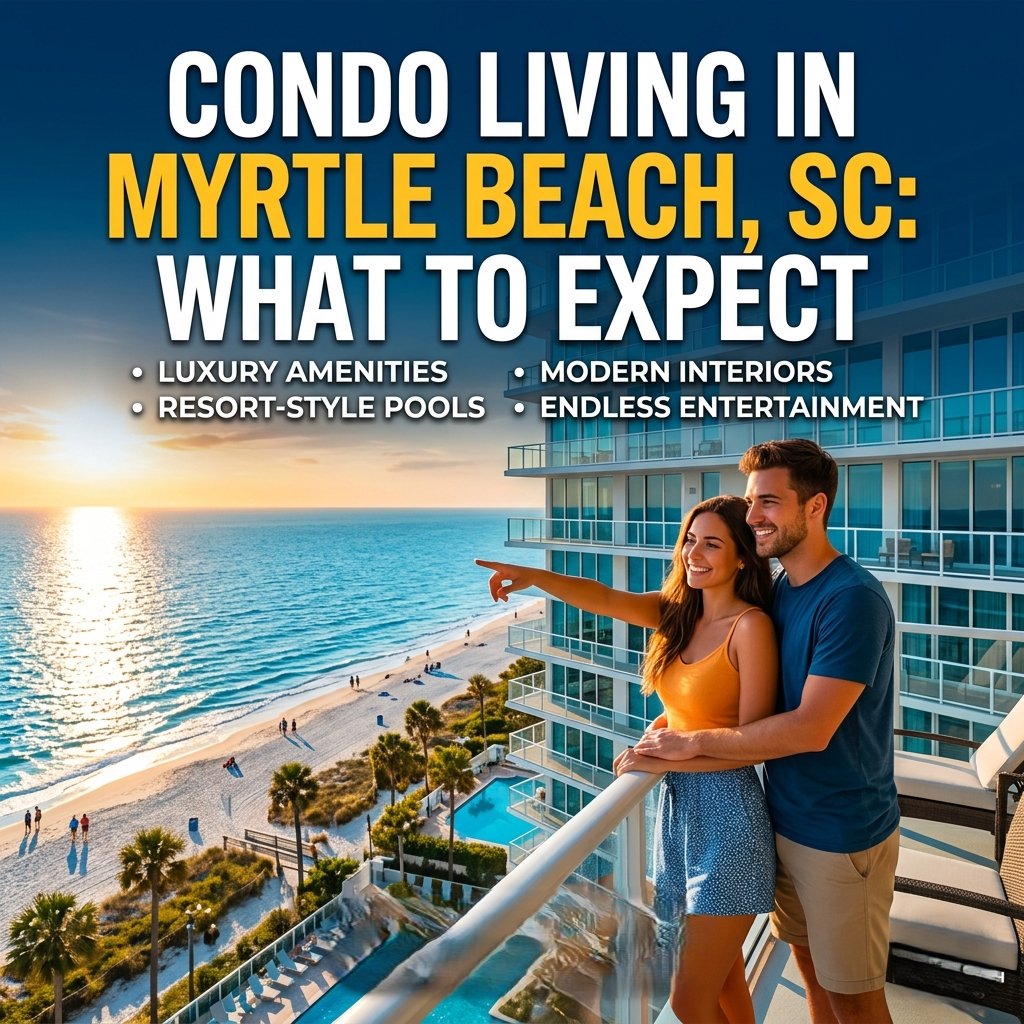
Condo Living in Myrtle Beach: What to Expect

Condo living in Myrtle Beach has long been one of the most popular ways for buyers to enjoy life along the Grand Strand. Whether you are looking for a low-maintenance second home, a full-time residence, or a rental investment, condos offer a flexible and often surprisingly affordable path into coastal South Carolina real estate. Knowing what to expect before you buy makes all the difference in finding a condo that fits your lifestyle and your long-term goals.

Why Condos Are So Popular Here

Myrtle Beach has more condo inventory than almost any other comparable coastal market in the country. The variety is impressive, ranging from oceanfront high-rises to quiet golf course condos to small mid-rise buildings tucked along the Intracoastal Waterway. Buyers gravitate to condos because they offer ocean access, simplified maintenance, and lifestyle amenities at price points that are often more accessible than detached homes in similar locations.

Condo Living in Myrtle Beach What to expect

The Many Types of Condos

Condo buyers in Myrtle Beach real estate have remarkable variety to choose from. Oceanfront condos offer direct beach access and views. Ocean-view buildings sit a block or two off the beach with strong rental and lifestyle appeal at lower price points. Golf course condos in established communities cater to year-round and seasonal residents who prioritize golf and quieter living. Riverfront and Intracoastal Waterway condos appeal to boaters. Each type has its own pricing, fees, and rental potential, so understanding the differences helps you focus your search. 

Costs of Condo Ownership

HOA Fees and What They Cover

Every condo comes with HOA or regime fees, and these vary widely. The fee should match the amenities and maintenance the building actually provides. In a luxury oceanfront tower, fees often cover building insurance, exterior maintenance, water, sewer, trash, common area utilities, pool and amenity upkeep, and reserves for future repairs. In smaller buildings, fees may cover less. Looking at the budget and the recent reserve study tells you whether fees are likely to stay stable or increase soon.

Insurance for Condos

Condo insurance involves two layers. The HOA carries a master policy on the building structure and common areas. Individual owners carry an HO6 policy for the interior, contents, and liability. Coastal condos may also need wind and hail coverage and possibly flood insurance, depending on location. Smart buyers verify what the master policy covers and where their HO6 needs to pick up before closing.

Rental Programs and Income Potential

Many Myrtle Beach condo buyers plan to rent the unit for at least part of the year. Rental performance depends heavily on building location, view, finishes, and how well the unit is marketed. Some buildings have on-site rental programs, while others allow owners to use any management company or self-manage. Vacation rental income can be substantial in oceanfront buildings during peak season but should be evaluated alongside management fees, taxes, insurance, and HOA dues to understand the real net.

Rules and Restrictions

Every building has its own rules. Some allow short-term rentals freely, others have minimum stay requirements or restrict rentals altogether. Pet policies, parking arrangements, decor restrictions, and renovation rules vary widely. Reading the bylaws, declarations, and house rules before going under contract avoids surprises after closing. A buyer who values flexibility for short-term rentals should not buy in a building that requires minimum thirty-day stays.

Building Age and Maintenance

Newer condos generally have updated systems, modern construction, and stronger insurance ratings. Older condos can be excellent values, but they may need more maintenance and may face larger special assessments as systems age. Reviewing the building's history of capital projects, the strength of the reserve fund, and any planned upcoming projects gives you a realistic sense of what the next several years of ownership will look like financially.

Lifestyle Considerations

Condo living means shared walls, shared elevators, and shared amenities. For many buyers, this is a feature, not a drawback. Pools, hot tubs, fitness centers, beachfront access, and on-site management can be wonderful conveniences. Buyers who prefer total privacy or large private outdoor space sometimes find a single-family home a better fit. Visiting buildings in person and walking around at different times of day helps you sense the noise and traffic patterns.

Financing Considerations

Lenders evaluate condos differently than detached homes. Some buildings have rental occupancy ratios, financial health requirements, or insurance details that affect financing. Condotels, which are condos managed like hotels, often require specialized lending. A lender experienced with Myrtle Beach condos can tell you quickly which buildings are likely to qualify for which loan products.

Strategy for Condo Buyers

Decide whether your priority is lifestyle, rental income, or both. Tour multiple buildings and compare HOA fees, amenities, and rental rules. Read the financial documents, including reserve studies and recent meeting minutes. Get an HO6 insurance quote on a specific unit. And work with an agent who knows the local condo market in detail and can identify buildings that match your goals.

Final Takeaway

Condo living in Myrtle Beach can be one of the most enjoyable, low-maintenance ways to own real estate along the Grand Strand. The variety of buildings, price points, and lifestyles makes it possible for almost any buyer to find a fit. Knowing what to expect with HOA fees, insurance, rental rules, and building maintenance positions you to choose well and enjoy the easy coastal lifestyle that draws so many buyers to Myrtle Beach in the first place.

About Greg Harrelson

Greg Harrelson is a seasoned Realtor® with more than 30 years of experience serving the Myrtle Beach and Grand Strand markets. As the founder of Century 21 The Harrelson Group, Greg has built his career helping buyers, sellers, and investors achieve success in every corner of the coastal Carolina real estate market. His expertise spans residential homes, investment properties, land development, and coastal condos. Known for his deep local knowledge, innovative marketing strategies, and commitment to personal service, Greg consistently helps clients reach their real estate goals while navigating the ever-changing market with confidence and precision.

May 13, 2026

Buying a Vacation Home in Myrtle Beach

A vacation home in Myrtle Beach is a goal that pulls buyers from all over the country. The Grand Strand has built a reputation as one of the most welcoming, accessible, and lifestyle-rich coastal markets on the East Coast, which is why second-home buyers from the Northeast, Mid-Atlantic, Midwest, and Canada continue to make this stretch of South Carolina their getaway of choice. Buying a vacation home here can be one of the most rewarding decisions of your life, but it works best when you go in with a clear plan and a strong understanding of the local market.

Why Myrtle Beach Is a Top Vacation Home Market

Myrtle Beach offers a powerful combination of value, lifestyle, and accessibility that few coastal markets can match. The beach itself is family-friendly, the weather is mild for much of the year, and the area's amenities have grown to include world-class golf, dining, shopping, and entertainment. Direct flights into Myrtle Beach International Airport from many major cities make travel to and from the home easy, which matters enormously when you are trying to maximize the time you actually spend at the property. Buyers exploring Myrtle Beach real estate consistently find more home for their money than they would in other major coastal markets, which is one of the reasons demand has stayed steady for so long.

Defining Your Vacation Home Goals

How Often Will You Use It

The first thing to think through is honest usage. Some buyers come down for two weeks each year, others for several months, and some treat the home as a partial retirement base. The right property type depends heavily on usage. A buyer who will visit a few weekends a year may want a low-maintenance condo. A buyer who plans to spend half the year there will likely want a single-family home with more space and storage.

Will You Rent It

Many vacation home buyers offset their costs by renting the property when they are not using it. Whether you rent matters because it changes the property type, the building, the neighborhood, and the financial structure that makes sense. If rental income is a meaningful part of your plan, focus on neighborhoods and buildings that allow short-term rentals and have proven track records.

Buying a Vacation Home in Myrtle Beach

Choosing the Right Location

Myrtle Beach offers a wide range of vacation home neighborhoods, each with its own personality. Oceanfront condos in the heart of Myrtle Beach attract buyers who want to walk to the beach and enjoy a high-energy resort feel. Quieter areas like Surfside Beach and Garden City offer more residential vibes with strong family appeal. North Myrtle Beach blends laid-back charm with strong vacation rental performance. Pawleys Island and Litchfield deliver Lowcountry serenity for buyers who prioritize peace and privacy.

Costs Beyond the Mortgage

Insurance

Coastal insurance, including wind, hail, and flood, is a significant ongoing cost. Get insurance quotes during the offer process, not after, so you know exactly what your annual carrying cost will look like.

HOA and Condo Fees

Most condos and many planned communities have monthly HOA fees that cover maintenance, amenities, and shared insurance. These fees vary widely. Read the budget and reserve study to understand whether fees are likely to remain stable or rise.

Property Taxes

Vacation homes in South Carolina are assessed at six percent rather than the four percent rate for primary residences. Even at the higher rate, taxes are typically lower than what buyers from higher-cost states are used to paying.

Maintenance and Furnishing

Vacation homes are used differently than primary residences. They need to be furnished, set up for guests, and maintained even when no one is there. Budget for cleaning, landscaping, and seasonal maintenance, especially in oceanfront properties where saltwater accelerates wear.

Financing a Second Home

Lenders treat second homes more favorably than pure investment properties but more strictly than primary residences. Down payments are usually a bit higher, and rates may be slightly above primary residence rates. If you are also planning to rent the home, talk with your lender about how that affects qualification and the type of loan you should pursue.

Managing the Property When You Are Away

Vacation homes need someone keeping an eye on them. Some buyers hire local property managers, others use professional rental management companies that handle bookings, cleaning, and maintenance, and others rely on a trusted neighbor. Decide on a management approach early so you can budget for it and choose a property that fits the plan.

Strategy for Buyers

Be honest about how you will actually use the home. Get pre-approved with a lender experienced in second-home loans. Tour multiple neighborhoods so you experience the differences in feel and price point. Get insurance quotes on the specific properties you are considering. Read HOA documents thoroughly. And work with an agent who specializes in vacation home buyers because they understand the layered considerations that matter to second-home owners.

Final Takeaway

Buying a vacation home in Myrtle Beach can deliver years of memories, lifestyle benefits, and financial value. The market offers a wide range of options that can match almost any budget and goal, from low-maintenance condos to luxury homes. Approached with clarity, preparation, and the right local guidance, owning a vacation home along the Grand Strand becomes one of the most enjoyable real estate decisions you will ever make.

About Greg Harrelson

Greg Harrelson is a seasoned Realtor® with more than 30 years of experience serving the Myrtle Beach and Grand Strand markets. As the founder of Century 21 The Harrelson Group, Greg has built his career helping buyers, sellers, and investors achieve success in every corner of the coastal Carolina real estate market. His expertise spans residential homes, investment properties, land development, and coastal condos. Known for his deep local knowledge, innovative marketing strategies, and commitment to personal service, Greg consistently helps clients reach their real estate goals while navigating the ever-changing market with confidence and precision.

Posted in For Buyers