The Future of Real Estate
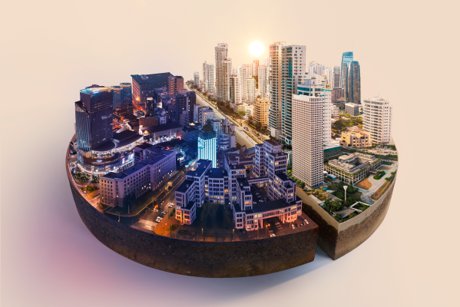
The future of real estate is shrouded in uncertainty. Despite this, there are a number of predictions for the next decade that suggest exciting changes and developments.
The following are some of the most popular predictions for the future of real estate:
1. The rise of Proptech: Proptech, or property technology, is one of the hottest trends in real estate right now. This term refers to the use of technology to solve problems in the property industry. From online portals that make it easy to find and compare properties, to apps that help you manage your rental property from afar, Proptech is changing the way we buy, sell, and rent property.
2. An increase in co-living: Co-living refers to a situation where people live together in shared accommodation, often with communal facilities such as kitchens and living areas. This arrangement is becoming increasingly popular among young people who are looking for an affordable way to live in desirable locations. It is also appealing to those who want to live in a more sustainable way, as sharing resources can reduce your carbon footprint.
3. A shift towards sustainable construction: Sustainability is becoming increasingly important to consumers, and this is starting to show up in the construction industry. More builders are using sustainable materials and methods, such as using recycled materials or incorporating solar panels into new developments. This trend is likely to continue as consumers become more aware of the environmental impact of their purchase decisions.
4. The growth of home automation: Home automation is another trend that is gaining traction in the real estate world. Automation can make your home more energy-efficient and secure, and many modern homes are now incorporating automated features such as voice activation and smart locks. This trend is likely to continue as technology becomes more advanced and more affordable.
5. The emergence of ‘smart’ cities: Smart cities are those that use technology to become more efficient, sustainable, and livable. This includes things such as improving public transportation systems, implementing renewable energy sources, creating better-connected infrastructure, and providing high-speed internet access to residents. As the world moves towards a greener future, it is likely that more cities will adopt this model of urban development.
No matter what the future holds for real estate, one thing is certain – it’s going to be an exciting decade!
Impact of Technology on the Real Estate Industry
The real estate industry has been revolutionized by technology in recent years. Today, potential homebuyers can browse listings online, schedule viewings with sellers or their agents, and even complete the entire purchase process without ever setting foot in a physical office. This convenience has made buying and selling property easier than ever before.
However, the impact of technology doesn’t stop there. Technology is also changing the way real estate agents do business. In the past, agents relied heavily on print marketing materials and personal relationships to find new clients and grow their businesses. However, today’s tech-savvy consumers are more likely to search for an agent online or through social media. As a result, real estate agents must now focus on building an online presence and developing their digital marketing skills.
Technology has also had a major impact on the way commercial real estate transactions are conducted. In the past, potential buyers or tenants would have to physically visit properties to get a sense of them before making an offer. But with today’s technology, such as 3D virtual tours and drone footage, potential buyers or tenants can get a detailed look at a property without ever stepping foot inside it. This makes it easier and faster to identify properties that meet their needs and budget, which can save both buyers and sellers time and money.
Looking ahead, it’s clear that technology will continue to reshape the real estate industry in the years to come. For both consumers and real estate professionals, this means embracing new technology and staying ahead of the curve.
Changing Consumer Habits and Preferences
In the next decade, we predict that consumer habits and preferences will continue to change, making real estate an even more dynamic and exciting industry.
As more and more people are born into digital native generations, we expect that their consumption habits will be very different from those of previous generations. For one, they will be far more comfortable with conducting transactions online and trusting technology to do so. This means that the traditional role of the real estate agent as a middleman may become less important as consumers turn to platforms like Zillow and Redfin for their search and transaction needs.
Furthermore, we think that younger generations will place a higher value on experiences over material possessions. This could lead to a rise in demand for short-term rentals (such as Airbnb) and co-living arrangements rather than traditional long-term leases or mortgages. And as these young people enter into their 30s and 40s, we think they will still want to own homes – just not in the same way that previous generations have. They may prefer smaller homes in walkable urban neighborhoods or second homes in rural areas that can serve as a retreat from city life.
The future of real estate is impossible to predict with 100% certainty. But by understanding the changing consumer habits and preferences of younger generations, we can get a pretty good idea of what the next decade might hold for the industry – and it looks like it’s going to be an exciting ride!
Investor Interests in Real Estate Opportunities
There are a number of factors that will continue to drive investor interest in real estate opportunities in the coming years. These include:
1) The continued growth of the economy and population, which will lead to increased demand for housing and commercial space.
2) Low interest rates, which make an investment in real estate more attractive.
3) The continued development of infrastructure and amenities in cities, which makes urban living more desirable.
4) The increasing popularity of real estate investing as a way to generate passive income.
These trends will create opportunities for investors to purchase properties at favorable prices and rent them out at a premium. In addition, there will be opportunities to develop or redevelop properties for sale or lease.
Effects of Digital Transformation on the Future of Real Estate
Digital transformation is inevitable. Disruptive companies such as Airbnb and Uber have already disrupted traditional business models, and the real estate industry is next. The future of real estate will be defined by digital technologies that enable new ways of buying, selling, and renting property.
The following are some predictions for the future of real estate:
1. There will be a shift from ownership to access.
2. The sharing economy will disrupt the traditional rental market.
3. Blockchain will revolutionize how we buy and sell property.
4. Virtual reality will change the way we view properties.
5. Big data will help us make better decisions about real estate investments.
Regulations and Policies Affecting the Future of Real Estate
There are many factors that will affect the future of real estate, including regulations and policies. Regulations and policies can have a significant impact on the real estate market, and they can also affect the way that real estate is developed and used. Here are some predictions for how regulations and policies could affect the future of real estate:
- Regulations could become more strict, which could make it more difficult to develop new real estate projects.
- Policies could change in a way that makes it more difficult to buy or sell property.
- The government could start to regulate short-term rentals, which could impact the vacation rental market.
- There could be an increase in taxes on investment properties, which could make them less attractive to investors.
- New environmental regulations could be put in place that would impact development in certain areas.
Predictions for the Next Decade
The next decade is going to be an exciting one for the real estate industry. Here are some predictions for what we can expect to see in the next 10 years:
1. The rise of proptech
2. A shift to sustainable and green buildings
3. An increase in co-living and micro-apartments
4. A decrease in car ownership
5. More remote working and flexible office space
6. An increase in real estate investment trusts (REITs) and other alternative investments
7. A continued rise in home prices and rental rates
8. More consolidation among brokerages and other real estate companies
9. The continued growth of the sharing economy ( Airbnb, WeWork, etc.)
10. New players and business models entering the industry
Conclusion
The future of real estate is an exciting one, full of new technologies and ideas that will shape the way people buy and sell homes. From virtual reality tours to predictive analytics, technology will continue to change the landscape for years to come. As more data becomes available, buyers and sellers alike can benefit from information-driven decisions when it comes time to make their next move in the housing market. The next decade promises even more innovation as we work together toward a brighter future for all involved with real estate.