Explore the Myrtle Beach Real Estate Blog

Find exactly what you need, whether you're buying, selling, or just getting to know the Grand Strand.

01

Buying a Home

First-time buyer guides, financing tips, and how to win in the Myrtle Beach market.

02

Selling a Home

Pricing, staging, and the marketing that actually gets coastal homes sold.

03

Lifestyle and Communities

Coastal living, local communities, and what day-to-day life is really like along the Grand Strand.

04

Market Updates

The latest on prices, inventory, and what it means for you.

05

Moving & Relocation

Relocating to the coast? Tips on the move, schools, and settling into the Grand Strand.

06

Offer to Close

Step-by-step guides to buying and selling on the Grand Strand — from your first offer through closing day.

Nov. 7, 2025

Three Proven Strategies That Work To Sell Your Condo for Top Dollar

How Can I Sell My Condo for the Most Money? A Myrtle Beach Real Estate Guide

If you're considering selling your condo in Myrtle Beach, you're likely wondering how to maximize your return on investment. With 30 years of experience in the Myrtle Beach real estate market, I've seen what separates successful condo sales from those that linger on the market. The answer isn't mysterious—it comes down to three proven strategies that work together to attract qualified buyers and command top dollar.

Strategy 1: Professional Presentation Drives Interest Online

In today's real estate market, the journey to purchase begins online, not on the curb. Before a single potential buyer steps foot in your condo, they've already browsed dozens of listings on their phone, computer, or tablet. This means your first impression must be exceptional.

Cleanliness and Presentation Matter

Start by ensuring your condo is immaculate. Deep clean every surface, declutter common areas, depersonalize spaces, and attend to any maintenance issues. A spotless, well-maintained unit signals to buyers that the property has been cared for—a critical perception when competing in the Myrtle Beach condo market.

Professional Photography and Video Change the Game

However, cleanliness alone isn't enough. Professional photography and videography are investments that deliver measurable returns. High-quality images showcase your condo's best features in optimal lighting. Videos allow potential buyers to experience the flow of your space, understand room dimensions, and envision themselves living there—all from their living room.

Properties with professional photos and videos receive significantly more inquiries, attract more qualified buyers, and typically sell faster and for more money than those with standard smartphone photos. In the competitive Myrtle Beach market, standing out online is non-negotiable. Your condo will be competing with dozens of other listings. Professional presentation ensures yours catches attention and compels interested buyers to schedule a showing.

Strategy 2: Choose an Agent with Proven Condo Market Expertise

Not all real estate agents are equal, especially when it comes to navigating the specialized condo market. Selling a condo differs significantly from selling a single-family home due to HOA regulations, condo association rules, financing considerations, and buyer preferences unique to condo living.

Track Record Matters

When selecting your agent, ask specific questions: How many condos have you sold? What's your average sale price compared to asking price? How long do your listings typically sit on the market? An agent with extensive condo-selling experience understands the nuances of this market segment and knows which buyers are serious about condo living.

Greg Harrelson with Century 21 The Harrelson Group brings three decades of Myrtle Beach real estate expertise, combined with thousands of condos sold throughout his career. An agent with this level of proven success brings more than just market knowledge—they bring a network of buyers, connections with lenders familiar with condo financing, and the negotiating skills honed through countless transactions.

Your agent should also guide you through HOA disclosure documentation, explain how condo fees impact buyer financing, and position your property appropriately within the condo market segment. This expertise translates directly to faster sales and higher prices.

Strategy 3: Price at Fair Market Value—The Foundation of Success

Pricing is perhaps the most consequential decision in selling your condo. Many sellers face the temptation to price high, hoping buyers will negotiate down. This strategy frequently backfires.

The High-Price Problem

When a condo is priced above fair market value, it sits longer on the market. As days accumulate, buyers begin to wonder why it hasn't sold, questioning whether there are hidden problems. This perception becomes a liability. You've also eliminated the "new listing" momentum when your property was fresh on the market—a critical time for generating interest and offers.

The Low-Price Problem

Conversely, underpricing sacrifices money that should be yours. You're essentially paying buyers to purchase your property, which defeats the purpose of maximizing your return.

Fair Market Value: The Sweet Spot

Fair market value is where strategy succeeds. Your agent should conduct a comprehensive comparative market analysis (CMA), examining recently sold comparable properties, current active listings, and expired listings. This research-backed approach prices your condo competitively while reflecting its true value.

When priced fairly, several benefits follow:

- Qualified Buyers: Serious, qualified buyers are attracted to fairly priced properties. These are people ready to make reasonable offers and close transactions.

- Momentum: A fairly priced new listing generates activity immediately, creating urgency without artificial pressures.

- Reasonable Offers: Fair pricing attracts reasonable offers, making negotiation straightforward and reducing the likelihood of deals falling apart over price disputes.

- Faster Sales: Properties priced correctly sell faster, reducing carrying costs and getting you to your next chapter sooner.

The Winning Formula

Selling your Myrtle Beach condo for top dollar isn't about tricks or gimmicks. It's about professional presentation that captivates online, expert guidance from someone who truly knows the condo market, and strategic pricing based on solid market research.

When these three elements align—curb appeal and professional marketing, experienced agent representation, and fair market value pricing—you position yourself to attract the best buyers and achieve your financial goals. The condo market rewards preparation, strategy, and expertise. Apply these principles, and you'll have every advantage in maximizing your return.

 

Posted in For Sellers
Oct. 29, 2025

Oceanfront Living in Surfside Beach, SC: Is It Worth It?

For those considering a move or investment along South Carolina’s scenic coast, the question often arises: is purchasing an oceanfront or near-oceanfront property in Surfside Beach, SC one of the charming towns on the Grand Strand — truly worth it? 

oceanfront property in Surfside_Beach

Why Surfside Beach Attracts Buyers & Investors

A seaside lifestyle with perks

Nestled between the lively hub of Myrtle Beach, SC and quieter stretches of coastline, Surfside Beach offers a blend of beach living with community feel. For many homebuyers, the oceanfront view, easy beach access, and relaxed pace are major lifestyle draws.

For sellers and investors, that appeal can translate into value — rare, desirable views and amenity-rich locations often command premium pricing and attract strong rental demand (in vacation markets especially).

Market snapshot

Here’s what the data show about the Surfside Beach market:

  • According to one listing platform, median list prices in Surfside Beach in August 2025 were about $384,800.
  • Meanwhile, another source (June 2025) placed the median sold price at $474,900, down 13.7 % year-over-year, and median price per square foot around $341. 
  • In September 2025, the median sale price was cited as $777,500, up 78.7 % from a year before — though this figure may reflect a small number of sales and higher-end homes. 
  • Inventory is moderate; for example, 132 homes were listed in June 2025 in one report. 
  • According to the 2024 Annual Report for Coastal Carolinas, half of the closed sales in Surfside Beach were for homes 1,500 sq ft or less. 

What this means: Ocean-adjacent homes in Surfside Beach are in a dynamic market. While there is definitely interest, pricing, property type (size, location, view), and condition matter enormously.

What’s Worth It – For Buyers, Sellers & Investors

For Buyers

Pros

  • Emotional/ lifestyle value: Waking up to the sound of the ocean, immediate beach access, potential vacation-feel every day.
  • Potential for long-term appreciation: Oceanfront or near-oceanfront homes tend to hold premium value relative to inland properties.
  • Strong appeal for vacation/second-home market: If you plan to rent it when not using it, you may capture tourism demand.

Things to watch

  • Higher acquisition cost: Oceanfront lots are finite, which means a premium. That means your purchase price may be higher for comparable interior of home.
  • Maintenance & exposure: Living by the water brings salt air, storms, higher insurance/flood risk. Budget accordingly.
  • Market volatility: As some of the data show, prices in Surfside Beach have seen pull-backs or variance year-to-year.

For Sellers

Pros

  • Strong appeal to a niche buyer pool: Buyers seeking beach living may pay more for the right property.
  • Potential for a faster sale if priced well and marketed effectively (highlighting ocean views, walk-to-beach, amenities).
  • Opportunity to capitalize on premium value for ocean-facing lots or homes in excellent condition.

Considerations

  • Pricing matters a lot: If you overprice or fail to highlight the “beach bonus,” the home may sit longer. One report noted active listings priced above $500K were taking more time.
  • Condition and updates matter: Coastal properties often require more upkeep — if this is neglected, buyers will factor in future costs.
  • Market timing: Given some year-over-year declines, timing the sale in a stronger period can benefit you.

For Investors

Pros

  • Vacation rental potential: Given beach tourism, a well-located property could generate significant short-term rental income, especially in peak months.
  • Appreciation potential: The uniqueness of beachfront often supports upside over time.
  • Diversification: Coastal assets can diversify an investment portfolio.

Risks

  • Cash flow challenges: High purchase price + higher operating/maintenance/insurance costs means you’ll need strong revenue to make the math work.
  • Seasonal fluctuations: Rental income may be concentrated in summer; offseason occupancy may be low.
  • Regulatory/insurance risk: Coastal areas may face stricter insurance/flood zoning, storm-damage risks.
  • Market headwinds: If the market softens, holding cost remains.

Is It Worth It? A Balanced Verdict

Short answer: Yes — but only if you pick the right property, understand the costs, and have clarity on your purpose (primary residence vs second home vs investment).

Here are the decision criteria to help you determine whether it’s worth for you:

1. Purpose

  • If you’re buying for lifestyle (you will live in/move to full time), then the intangible value of beach living may justify the premium.
  • If you’re investing or buying for resale, you’ll want strong indicators of rental demand and appreciation.

2. Budget & financing

  • Make sure you factor in not just purchase price, but insurance (flood, wind), HOA/maintenance (if condo), resilience upgrades.
  • Compare cost per square foot to inland alternatives and assess whether the premium is justified by view/lot.

3. Condition & location

  • A modest ocean-view home in excellent condition may be a smarter bet than a large home needing major repairs.
  • Proximity to the waterline matters — true oceanfront commands the highest premium; near-beach may offer better value.

4. Market timing & dynamics

  • As Surfside Beach market data show, demand can fluctuate, and days on market have lengthened recently. For example, median days on market in June 2025 was ~130 days (up from ~99 days a year earlier) for Surfside Beach.
  • For sellers: stage well and price competitively. For buyers: you may have some negotiating leverage given the longer market times.

5. Exit strategy

  • For investors: what’s the rental yield? What are occupancy rates? What are the costs?
  • For homeowners: if you ever sell, will the premium you paid be fully realized? Or are you paying more than the market supports?

Key Takeaways for the Surfside Landscape

  • Oceanfront living in Surfside Beach offers strong lifestyle appeal, and for many the premium is worthwhile — especially if you intend to enjoy the home rather than just treat it as a speculative purchase.
  • The market shows both upside and caution: median prices have shown both rises (e.g., ~$777K figure) and declines (e.g., –13.7 % year-over-year to ~$474,900) depending on segment/timeframe.
  • For sellers: condition and presentation matter — beach homes often require more maintenance and the “beach premium” only shows up when the property is well-done and well-positioned.
  • For investors: The premium you pay must be offset by either strong rental income or future appreciation; else your return might be modest.
  • For all: Understand the additional costs (insurance, flood zones, hurricane impact, maintenance) and factor them into your decision.

Final Word

If your vision is waking up to the sound of waves, walking out your door to the beach, and having a coastal home you love to live in — yes, oceanfront living in Surfside Beach can absolutely be worth it.

If instead your goal is purely financial gain (buy low, flip, quick rental return), you’ll need to dig deep into the numbers: can the premium you pay be justified by rental income or future appreciable value? In some cases, yes — but not all.

The sweet spot? A property that blends strong location (oceanfront or near-oceanfront), good condition, realistic pricing, and clarity about whether you’ll live there, rent it, or hold it and resell. Get those aligned, and Surfside Beach can deliver both a beautiful living experience and solid real-estate value.

Posted in For Buyers
Oct. 17, 2025

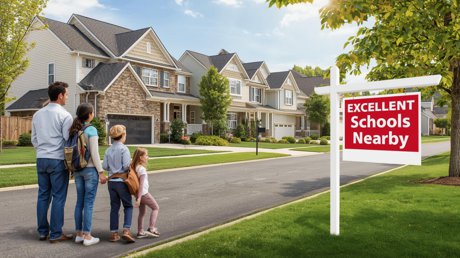
Buying a Home Near Top‑Rated Myrtle Beach, SC Schools: What Smart Buyers (and Investors) Should Know

If you're shopping for a home in the Myrtle Beach area, one factor can easily rise to the top of your wish list: access to excellent schools. Whether you're a family prioritizing education, a seller aiming to maximize property value, or an investor seeking long-term appreciation, buying near high‑performing schools is a strategic move. 

Schools near at home

Why Schools Matter (Beyond Just the Classroom)

It’s no secret: homes in strong school zones tend to command a premium. In many markets, homes located near well‑ranked schools sell faster, attract more buyer interest, and tend to appreciate better over time.

  • According to ATTOM Data Solutions, homes in ZIP codes containing at least one highly ranked elementary school had values 77% higher than comparable homes in ZIPs without one.
  • Other studies show that properties in desirable school districts often spend 30–45% fewer days on market and sometimes fetch 15–20% higher prices. 

In Myrtle Beach, too, school performance is becoming a more visible part of real estate marketing. Buyers now often ask: “Which school district is this?” or “What are the test scores?”

But what does “top-rated” mean here? In Myrtle Beach, public schools are part of the Horry County Schools (HCS, District R‑1) system.  Several schools in the area rank above state averages in proficiency, especially at the high school level. 

For example:

  • Carolina Forest High School is one of the highest-rated public high schools in the area.
  • Myrtle Beach High School shows a math proficiency of ~68% and reading proficiency of ~80%. 
  • Among elementary schools, Ocean Bay Elementary, St. James Elementary, and Forest brook Elementary are among those with top reading/math rankings locally. 

That said, not all schools perform equally — some elementary and middle schools in Myrtle Beach fall below state averages.  So, selecting the right neighborhood (or school zone) really matters.

Neighborhoods & Zones to Watch

Here are a few Myrtle Beach neighborhoods and zones that tend to get attention from homebuyers focused on school quality:

If you’re considering a specific listing, we always recommend verifying its exact school zone (which sometimes doesn’t match ZIP code), and then comparing school performance.

What Buyers Should Do: A Step‑by‑Step Checklist

1. Start with boundary maps

Don’t assume a ZIP code equals a particular school. Use Horry County Schools’ boundary maps or reach out to the school district to verify which elementary, middle, and high school serve that exact address.

2. Compare test scores, graduation rates, and student growth

Look up state report cards, proficiency rates, and whether scores are trending up or down. Be especially wary of schools that consistently lag their peers.

For middle schools, for instance, Myrtle Beach Middle has had proficiency rates under state averages in recent years.

3. Visit during school hours

Touring a school (if allowed) or driving by during drop-off/pick-up gives you a feel for traffic, facilities, and neighborhood interactions.

4. Talk to residents or online community

Local insights often surface issues like overcrowding, administrative problems, or teacher turnover earlier than official stats. (For example, some locals note that certain Carolina Forest area schools feel stretched thin due to growth.)

5. Factor in resale / appreciation potential

Even if your child is younger now, the home’s long-term value may depend heavily on school zone desirability. A home in a zone with consistently strong schools can appeal to future buyers.

6. Check charter or specialty programs

Some students may opt for magnet, charter, or specialty programs (e.g. the Academy for the Arts, Science & Technology (AAST) in the Horry County system) in addition to standard feeder schools.

Advice for Sellers & Investors

  • Highlight the school names in your marketing materials. Buyers searching “homes near Carolina Forest High School” or “Myrtle Beach homes in top school zone” may find your listing more easily.
  • If your property is in a strong school zone, consider emphasizing test-score achievements, extracurriculars, and proximity to the campus in your listing.
  • For investors, homes in good school zones generally hold value better during market fluctuations and attract long-term tenants (families) who value stability.
  • If you find a home in a less desirable zone but with potential (say, upcoming school improvements), that might present an investment opportunity if you anticipate neighborhood uplift.

Summary & Takeaway

Buying a home near top-rated Myrtle Beach schools is about more than prestige — it’s a strategic decision that can influence resale value, marketability, and long-term satisfaction. In Myrtle Beach, several high schools and elementary schools already outperform state averages. But not every school is the same, so your due diligence matters.

Posted in For Buyers
Oct. 8, 2025

How to Prepare Your Home for the Myrtle Beach, SC Market

Selling (or repositioning) a property in the Myrtle Beach area carries its own opportunities and challenges. Because of coastal factors, a seasonal buyer pool, and evolving local trends, you’ll want to approach prepping your home with strategy. Whether you're a seller, buyer (who may flip or rent), or investor, here’s a comprehensive guide to getting your home ready — and maximizing your ROI.

How to prepare your home in the market

1. Understand the Myrtle Beach Market Landscape

Before making improvements, it’s crucial to know the playing field. Some snapshots of current conditions:

  • The median listing home price in Myrtle Beach in early 2025 was about $299,900.
  • Homes tend to stay on the market longer than in high‑velocity markets. In August 2025, the median days on market. 
  • According to the Coastal Carolinas Association of REALTORS®, average days on market for single-family homes recently climbed. 
  • Inventory is increasing: single-family inventory was up ~20% year-over-year, and condos ~15%, giving buyers more options and bargaining power. 
  • The area has strong appeal for retirees and investors, especially for seasonal, vacation, and second-home buyers. (Myrtle Beach has one of the fastest-growing senior populations among U.S. metros. 

What this means for you:

  • You’ll want to avoid overpricing, since many buyers will compare across many listings.
  • The longer time on market suggests buyers may expect more negotiation room, so minimizing objections (via repairs, presentation, disclosures) can help.
  • Seasonal demand cycles matter — certain times of year (spring, early summer) often see more buyer activity.

2. Start with Curb Appeal & Exterior Upgrades

First impressions matter—especially in a coastal, resort-influenced region. Before buyers step inside, the exterior should send a strong message.

Key exterior fixes and upgrades:

  • Pressure wash siding, roof, walkways, and driveways — salt-air, mold, and mildew build-up are common in coastal climates.
  • Roof, gutters, and drainage — ensure there are no leaks, sagging gutters, or blocked downspouts. Water issues are a red flag, especially near the coast.
  • Paint refresh or touch-ups — focus on front doors, trim, shutters, siding touch-ups. Use colors and finishes suited for humid and salty conditions.
  • Landscaping — trim overgrown shrubs, clean up flower beds, add easy-care coastal plants, edge lawn areas. Mulch can freshen things.
  • Lighting, house numbers, mailbox, and front entry — updating small but visible details has high impact (new lighting fixtures, updated hardware, clean door, polished hardware).
  • Inspect for salt damage or corrosion, especially on metal railings, fixtures, window screens, and sliding doors—replace or refurbish where necessary.

Because Myrtle Beach is in a humid, salt-exposed climate, neglecting the exterior can rapidly depreciate perceived value.

3. Repair, Inspect & Address Major Systems

Buyers (and investor buyers) expect a home to be “move-in ready” or at least not hide major defects. Addressing systemic issues in advance preserves your negotiating power.

What to prioritize:

  • Roof, HVAC, plumbing, and electrical systems — fix leaks, replace failing units, clean ducts, update wiring if outdated.
  • Foundation, grading, and drainage — ensure water is directed away from the house. Coastal areas sometimes experience flooding or shifting soils.
  • Windows, doors, seals, and screens — look for air leaks, broken seals, oxidation or failure in sliding doors (especially in salt-laden zones).
  • Interior repairs — patch drywall, fix flooring damage, repair rotting trim or fascia, address water stains or mold.
  • Pest and termite inspection — particularly critical in humid, forested, or coastal-adjacent neighborhoods.

Sometimes a pre-listing inspection is worth the cost to identify red-flag items so you can proactively address them rather than negotiate them down later.

4. Declutter, Depersonalize & Stage Thoughtfully

Presentation can make or break buyer perceptions. The goal is to help buyers imagine their life in the space rather than yours.

Strategies:

  • Declutter aggressively — clear countertops, remove excess furniture, clean out closets, pack away knick-knacks.
  • Depersonalize — take down family photos, bold wall décor, and unique personal items. Use softer, neutral decor.
  • Staging — hire a professional stager or use your agent’s staging plan. Staging helps create attractive, flowing spaces. According to real estate guidelines, staging reduces eyesores, highlights architectural features, and broadens appeal.
  • Lighting and ambiance — use daylight where possible, open blinds, replace burnt-out bulbs, add ambient lamps to brighten interiors.
  • Smell and cleanliness — deep-clean carpets, scrub bathrooms, deodorize (avoid strong perfumes), and fix any lingering odors (pets, smoke). Buyers may subconsciously reject a home with a faint but unpleasant odor—even if the rest is sound.

A well-staged, clean, depersonalized home often sells faster and for more because buyers subconsciously perceive fewer “repair” issues.

Depersonalize

5. Highlight Local Benefits & Differentiators

What makes Myrtle Beach properties special? Use those elements as selling points.

  • Coastal proximity, views, and beach access — if your home has a water view, ocean access, or is within walking distance to beaches or waterways, make that a focal feature.
  • Resort-style amenities — if your community offers pools, clubhouses, beach access, boat docks, golf-course adjacency, or neighborhood trails, be sure these are highlighted in staging, in marketing photos, and in listing copy.
  • Maintenance advantages — e.g., upgraded hurricane-rated windows, impact-resistant doors, new siding, roofing materials rated for coastal conditions.
  • Energy efficiency, insulation, hurricane features — buyers increasingly look for “future-proofed” homes in coastal zones.
  • Smart home features, security, landscaping irrigation — these modern touches help your listing stand out.

6. Optimize Your Listing with High-Quality Marketing

Once the property is ready to show, marketing is the engine that turns your prep into buyer traffic.

Best practices:

  • Professional photography (and video/drone) — interior, twilight, aerial shots. Coastal real estate benefits greatly from showing surroundings (ocean, landscaping). High-quality visuals attract serious buyers.
  • Virtual tours / 3D walkthroughs — given many buyers search remotely (relocation, vacation buyers), interactive tours help.
  • Floor plans and room dimensions — transparency helps buyers self-qualify.
  • Compelling listing copy — lead with your strongest features (ocean views, upgrades, location). Use local keywords (“Myrtle Beach,” “Grand Strand,” “Market Commons,” “Surfside,” etc.) to boost search engine visibility.
  • Staging for open houses and showings — maintain the look, freshness, lighting and avoid clutter creeping back in.
  • Flexible showing schedule — buyers may schedule evening/weekend visits; make it easy to show.
  • Targeted online ads — social media ads, paid search targeting relocation buyers, vacation-home seekers, retirees.

By pairing thoughtful preparation with smart marketing, you maximize visibility and buyer interest.

7. Pricing, Strategy & Negotiation

Even a beautifully prepared home can underperform if mispriced or poorly positioned.

  • Use comparable recent sales (comps) in your specific submarket (beachfront, inland, condo vs single-family). Adjust for condition, upgrades, view, lot size, etc.
  • Factor in negotiation buffer — given the slower days-on-market and rising inventory, many buyers expect concessions.
  • Be transparent with disclosures — issues like flood risk, HOA covenants, past repairs or storm damage — disclosing early builds trust and reduces renegotiation friction.
  • Offer incentives smartly — for example, a credit for closing costs, a termite bond, or a home warranty can sweeten offers without large upfront investment.
  • Consider seasonal timing — listing in spring or early summer tends to yield more buyer activity; in slower months, you may need to be more competitive on price or incentives.

Your agent should monitor feedback from showings and adjust strategy (pricing, staging tweaks) if buyer interest lags.

8. Investor & Buyer Mindset: Leveraging Value

If you're an investor or buying to resell/rent, your preparation steps also dovetail with value creation.

  • Focus on durable, low‑maintenance coastal materials (fiber cement siding, composite decking, impact windows).
  • Prioritize upgrades that offer strong ROI — kitchens and baths often sway buyers, but don’t over-improve beyond neighborhood norms.
  • Make sure rental compliance, flood insurance, permits, and local regulations are clean and up to date — this reduces buyer/investor friction.
  • Consider furnishing packages or turnkey-ready options for vacation rentals; many buyers want turnkey absentee-owner ready properties.
Posted in For Sellers
Sept. 29, 2025

Spotlight on Pawleys Island, SC: A Peaceful Place to Call Home

Nestled between the Atlantic Ocean and the Waccamaw River, Pawleys Island, South Carolina, is a hidden gem along the Grand Strand that offers charm, serenity, and Southern hospitality in equal measure. Known for its laid-back lifestyle, historic appeal, and pristine natural beauty, Pawleys Island is not only a dreamy vacation spot—it’s an ideal place to call home.

Whether you're a homebuyer searching for coastal tranquility, a homeowner thinking of selling in a hot market, or an investor seeking a high-potential location, Pawleys Island offers a wealth of opportunity. In this post, we'll explore why this Lowcountry treasure is capturing the hearts—and investments—of people from across the country.

Spotlight on Pawleys Island

A Snapshot of Life on Pawleys Island

Pawleys Island is one of the oldest resort areas on the East Coast, yet it has managed to maintain its quiet, uncommercialized charm. Located about 25 miles south of Myrtle Beach and 70 miles north of Charleston, the island is just a few miles long and only a few houses wide—offering exclusive beachfront living without the crowds.

Here’s what makes Pawleys Island truly special:

  • Unspoiled Beaches: No high-rises, boardwalks, or tourist traps—just soft sand, rolling waves, and unforgettable sunsets.
  • Rich History: Home to centuries-old homes and a legacy of Southern plantation culture, it’s a place where history meets relaxation.
  • Community Feel: With a population of just under 4,000 (U.S. Census Bureau, 2020), Pawleys Island offers a close-knit, welcoming atmosphere.

Real Estate Market Overview: A Strong Investment

The Pawleys Island real estate market continues to show strength, driven by high demand for coastal living, low inventory, and rising property values.

Current Market Trends (as of 2025):

  • Median Home Price: ~$625,000 (Zillow, August 2025)
  • Average Days on Market: 41 days
  • Inventory: Low, particularly in the $400K–$800K range
  • Rental Investment Potential: High seasonal rental income due to strong vacation demand

With prices steadily appreciating over the past 5 years, Pawleys Island is considered a stable, long-term investment for both primary residences and rental properties. The proximity to golf courses, waterways, and beaches makes homes here highly desirable.

Place to Call Home in Pawleys

For Home Buyers: Why Choose Pawleys Island?

If you're looking to buy a home, Pawleys Island offers an unbeatable combination of lifestyle and value:

  • Diverse Property Types: From historic beach cottages and riverfront estates to modern condos and golf course homes.
  • Top-Rated Schools: Served by Georgetown County School District, the area has access to highly rated public and private schools.
  • Outdoor Living: Kayaking, fishing, boating, and golfing are part of everyday life here.
  • Low Crime Rate: Compared to national averages, Pawleys Island boasts a low crime rate, making it a safe place to raise a family or retire.

For Sellers: A Market Favoring You

If you're a homeowner thinking of selling, now may be the perfect time. The strong buyer demand and limited inventory have created a competitive market where well-priced homes are often receiving multiple offers.

Tips for Sellers:

  • Stage for Lifestyle: Highlight the coastal lifestyle in your home’s décor and staging.
  • Leverage Virtual Tours: Out-of-town buyers rely heavily on high-quality video walkthroughs and drone photography.
  • Price Strategically: Work with a local real estate expert who understands the nuances of the Pawleys Island market.
  • For Investors: A Coastal Opportunity Not to Miss

Investors are eyeing Pawleys Island for its high ROI potential and resilient short-term rental market. With tourism booming across the Grand Strand and remote work enabling more long-term stays, now is an excellent time to consider investing in:

  • Vacation Rentals: High occupancy during peak season (spring to fall)
  • Long-Term Rentals: Steady demand from retirees and seasonal workers
  • Fix-and-Flip Opportunities: Especially in the older cottage homes with historic charm

Pro Tip: Look for properties just off the island on the mainland side for more affordable price points with strong rental appeal.

Explore, Experience, and Enjoy Pawleys Island Living

Whether you're walking along the salt marsh trails, enjoying fresh seafood at a waterfront restaurant, or simply swinging in a rope hammock under the oaks, life on Pawleys Island moves at a gentler pace. It’s a place where the ocean breeze washes away stress and the tight-knit community makes you feel instantly at home.

Ready to Make a Move? Let's Talk.

If you're considering buying, selling, or investing in Pawleys Island real estate, having the right local expertise makes all the difference. With deep knowledge of the market and a passion for helping clients find their slice of paradise, our agents are here to help every step of the way.

Posted in For Buyers
Sept. 19, 2025

How Recent Interest Rate Drop Impacts Myrtle Beach Real Estate

Yes, the Fed reduced interest rates yesterday. The big question is: what does this mean for our local Myrtle Beach real estate market?

While the market remains active, it’s not quite as fast-paced as it was a few years ago. Still, the numbers show it’s performing better than many people realize.


Myrtle Beach Real Estate Update (Current Stats):

  • Average Sales Price
    • Residential: $457,442 (+1.2%)
    • Condo: $264,110 (+5.6%)

  • Months’ Supply of Inventory
    • Residential: 4.2 (+7.7%)
    • Condo: 7.9 (+19.7%)

  • List-to-Sales Price Ratio
    • Residential: 97.5%
    • Condo: 96.4%

  • Pending Sales
    • Residential: 982
    • Condo: 442

  • Showings per Sale
    • Residential: 12 (+3.4%)
    • Condo: 9.7 (+3.2%)

  • Days on Market
    • Residential: 118 (no change)
    • Condo: 139 (+21.9%)


What Does the Rate Drop Mean?

For Buyers:
Lower interest rates increase buying power. This means you can either:

  • Buy more home for the same monthly payment, or

  • Buy the same home for less cost.

This doesn’t necessarily mean prices will rise or fall—but mortgages just became more affordable.

For Sellers:
Sellers should see a boost in buyer activity as lower rates push more people off the fence. While we may not see a full market boom, increased demand typically leads to quicker sales and potentially stronger offers.

In addition, interest rates are approaching levels where refinancing becomes attractive. If you currently have a mortgage above 7%, it may be worth speaking with a mortgage professional about refinancing.


Resource: Travis Buis, Elite Home Lending, is a trusted local mortgage professional who can help evaluate your options.

Posted in Market Updates
Sept. 10, 2025

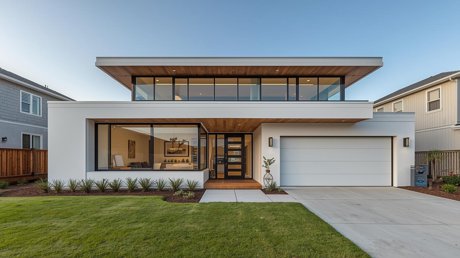
How to Choose Between a Townhome and a Single-Family Home in Myrtle Beach, South Carolina

If you're planning to buy, sell, or invest in real estate in Myrtle Beach, one of the most common decisions you'll face is choosing between a townhome and a single-family home. While both offer unique benefits, understanding the differences—and how they align with your lifestyle or investment goals—is key to making a smart real estate decision in today’s Myrtle Beach market.

We’ll break down the pros and cons of townhomes vs. single-family homes in Myrtle Beach, SC, and help you determine which property type best fits your needs.

Townhome and a Single home

What Is the Difference Between a Townhome and a Single-Family Home?

Before diving into the details, let’s clarify the difference:

  • Townhome: A multi-floor home that shares one or two walls with adjacent properties but has its own entrance. In Myrtle Beach, townhomes often come with HOA-managed amenities, such as pools, landscaping, and exterior maintenance.
  • Single-Family Home: A stand-alone property that does not share walls with neighboring homes. It typically includes a private yard and greater autonomy over the property.

Why This Choice Matters in Myrtle Beach

Myrtle Beach is a fast-growing coastal market. According to U.S. News & World Report, Myrtle Beach ranks among the top 10 fastest-growing metro areas in the U.S. (2024). With an influx of retirees, vacation-home seekers, and remote workers, demand is rising for both townhomes and single-family homes.

Each property type appeals to different buyer and investor profiles, so choosing wisely can affect:

  • Your resale value
  • Ongoing maintenance costs
  • Rental income potential
  • Lifestyle flexibility

Pros and Cons of Single-Family Homes in Myrtle Beach

Pros

  • More Privacy & Space: Standalone structure with private yard—great for families or pet owners.
  • Greater Customization: Freedom to remodel or expand without HOA restrictions.
  • Appreciation Potential: Historically, single-family homes appreciate faster due to higher land value.

Cons

  • Higher Maintenance: You're responsible for landscaping, roof, siding, and other upkeep.
  • Higher Purchase Price: Median home prices are typically higher than townhomes.
  • Property Taxes & Insurance: These can be higher due to lot size and structure.

According to Zillow (2024), the average price of a single-family home in Myrtle Beach is around $369,000, compared to $275,000 for a townhome.

Pros and Cons of Townhomes in Myrtle Beach

Pros

  • Lower Entry Price: Great for first-time buyers or investors on a budget.
  • Low-Maintenance Lifestyle: HOA often covers exterior upkeep, lawn care, and even some utilities.
  • Community Amenities: Pools, fitness centers, and clubhouses are common.

Cons

  • HOA Fees & Rules: Monthly dues can range from $150–$400+ and may restrict rentals or renovations.
  • Shared Walls = Less Privacy: May not be ideal for buyers seeking a quiet, secluded environment.
  • Limited Outdoor Space: Smaller or no yard, which might not suit families with children or large pets.

Which Is Right for You? Key Considerations

Here’s how to decide between a townhome and a single-family home based on your goals:

For Home Buyers

  • Lifestyle: Want a yard, space for kids, and freedom to renovate? Go with a single-family home.
  • Convenience: Prefer a "lock-and-leave" lifestyle with minimal upkeep? A townhome could be ideal.

For Investors

  • Cash Flow: Townhomes can offer better cap rates due to lower acquisition and maintenance costs.
  • Appreciation: Single-family homes generally offer better long-term appreciation, especially in high-demand neighborhoods near the beach or top-rated schools.

For Sellers

  • Understand your buyer. Young professionals and retirees often lean toward townhomes, while families may prioritize a detached home.

Local Tip: Myrtle Beach Neighborhood Insights

  • Single-Family Favorites: Carolina Forest, The Market Common, and Grande Dunes offer spacious lots and great schools.
  • Top Townhome Communities: Windsor Gate, The Farm Townhomes, and Emmens Preserve offer resort-style amenities and strong rental demand.

Final Thoughts: Making the Right Move in Myrtle Beach

Choosing between a townhome and a single-family home in Myrtle Beach isn’t just about price—it’s about lifestyle, maintenance, and long-term value. Whether you're relocating, downsizing, or investing, understanding the pros and cons of each property type can help you make a confident decision in one of South Carolina’s most vibrant real estate markets.

Still unsure which path is right for you? A local real estate expert can provide personalized guidance based on your needs, budget, and goals.

Ready to Explore Myrtle Beach Real Estate?

Whether you’re buying your first home, investing in a rental property, or planning a move to the coast, we’re here to help. Contact us today to learn more about the best townhome and single-family home options in the Myrtle Beach area.

Posted in For Buyers
Sept. 1, 2025

Smart Home Features Buyers Love in Myrtle Beach, South Carolina

As the Myrtle Beach real estate market continues to thrive, homebuyers are increasingly prioritizing smart home technology in their property search. Whether you’re buying, selling, or investing, understanding the most desirable smart home features can give you a competitive edge in today’s tech-savvy housing market.

In this coastal haven where modern convenience meets southern charm, smart home upgrades aren’t just trendy—they're strategic. Let’s explore the smart home features buyers love most in Myrtle Beach and how they can boost your property’s value and appeal.

Smart Homes

Why Smart Homes Are in Demand in Myrtle Beach

The Myrtle Beach area is known for its beautiful beaches, golf communities, and vacation rentals—but it’s also growing as a year-round destination for retirees, remote workers, and young families. With this influx of new residents comes a demand for convenience, safety, and energy efficiency—all of which smart home features can provide.

According to the National Association of Realtors (NAR), 51% of buyers find smart home technology important in their home search. In a market like Myrtle Beach, where second homes and investment properties are common, smart upgrades offer both functional benefits and attractive ROI.

Top Smart Home Features Buyers Want in Myrtle Beach

Smart Thermostats1. Smart Thermostats (Climate Control)

With Myrtle Beach’s warm summers and mild winters, efficient climate control is a top priority. Smart thermostats like Nest or Eco bee learn user preferences and adjust automatically, saving energy and lowering utility costs—an appealing feature for both full-time residents and vacation rental owners.

Why It Matters:

  • Energy savings up to 15% annually
  • Remote access via smartphone apps
  • Integration with HVAC systems for zoned control

2. Smart Security Systems

Safety is always a priority, especially for vacation homeowners or investors with rental properties. Smart security systems including video doorbells (Ring, Nest Hello), cameras, and smart locks allow remote monitoring and peace of mind.

Hot Tip for Sellers: Properties with pre-installed security systems often stand out in MLS listings and showings.

3. Smart Lighting and Shades

Automated lighting and motorized window treatments are not only convenient—they can reduce energy costs and enhance home ambiance. Buyers love features like voice-controlled lights (via Alexa or Google Home) and app-controlled settings that simulate occupancy when owners are away.

4. Smart Irrigation Systems

Outdoor living is a huge part of the Myrtle Beach lifestyle. Smart irrigation systems (like Rachio) adjust watering based on weather conditions, keeping lawns lush while conserving water.

Bonus for Investors: These systems help maintain curb appeal without needing constant local oversight.

5. Smart Appliances

Modern buyers expect kitchens with high-tech appliances. Wi-Fi-enabled refrigerators, ovens, and dishwashers that send notifications or allow remote operation add luxury appeal to Myrtle Beach homes.

Did You Know?

According to Statista, the U.S. smart appliance market is projected to grow to $50.1 billion by 2030, reflecting buyer demand.

Voice Controlled Assistants6. Voice-Controlled Assistants

Voice assistants like Amazon Alexa, Google Assistant, and Apple HomeKit are no longer novelties—they're central hubs for managing a smart home. Buyers often inquire if homes are already equipped or compatible.

For Sellers: Should You Invest in Smart Upgrades Before Listing?

Absolutely—especially if you're selling a home in a competitive Myrtle Beach neighborhood or a vacation rental property. A few key upgrades can:

  • Boost perceived value
  • Help your listing stand out online
  • Justify a higher asking price
  • Appeal to tech-savvy buyers from out of state

Start with lower-cost, high-impact items like smart thermostats, doorbells, and lighting. These upgrades typically cost under $500 and offer strong ROI.

For Investors: Smart Tech = Smart Returns

Vacation rental owners in Myrtle Beach love smart home technology for the same reasons guests do—automation and convenience. Smart locks allow for keyless entry, reducing turnover headaches. Climate and lighting controls can be set between stays to minimize energy waste.

Pro Tip: Include “smart home features” in your Airbnb or VRBO listings to attract more bookings and enhance your property’s appeal.

Final Thoughts: Myrtle Beach Is Getting Smarter

In Myrtle Beach’s evolving real estate market, homes equipped with smart technology are not just a luxury—they’re an expectation. Whether you're selling a single-family home in Carolina Forest, investing in a condo in North Myrtle Beach, or buying your first vacation property, smart home features can make a significant difference in comfort, security, and resale value.

Ready to buy or sell a smart home in Myrtle Beach? Let’s connect and explore how technology can give you the edge in this dynamic coastal market.

Posted in DIY, For Buyers
Aug. 19, 2025

Why Choose Greg Harrelson | Top Myrtle Beach Real Estate Agent to Sell Your Home

Why Choose Real Estate Agent Greg Harrelson to Sell Your Home in Myrtle Beach, SC

When it comes to selling your home in Myrtle Beach, choosing the right real estate agent makes all the difference. With decades of experience, unmatched market knowledge, and a proven marketing system, Greg Harrelson stands out as one of the most trusted and effective real estate professionals in the Grand Strand area.

Local Expertise That Delivers Results

Top Real Estate Agent Greg Harrelson, Century 21 The Harrelson GroupGreg Harrelson is not just another agent—he’s a lifelong resident of the Myrtle Beach area and has been serving homeowners here for over 20 years. His deep understanding of the local real estate market allows him to price homes strategically, position them competitively, and attract qualified buyers faster.

A Proven Track Record of Success

Greg has consistently ranked among the top real estate agents in the Myrtle Beach market, helping thousands of families successfully sell their homes. His reputation is built on results: faster sales, higher prices, and satisfied clients who return to him time and again.

Innovative Marketing That Reaches More Buyers

Selling a home today takes more than just putting a sign in the yard. Greg Harrelson and his team use cutting-edge marketing strategies, including:

  • Professional photography and virtual tours
  • Targeted online advertising
  • Featured placements on top real estate websites
  • A vast buyer database built over decades

This multi-channel approach ensures that your home is seen by serious buyers locally, nationally, and even internationally.

Personalized Guidance Every Step of the Way

Selling your home can feel overwhelming, but with Greg, you’re never alone. From preparing your home for market to negotiating the best possible offer, he provides clear communication, expert advice, and hands-on support.

A Trusted Name in Myrtle Beach Real Estate

Greg Harrelson’s name is synonymous with real estate success in Myrtle Beach. His commitment to honesty, professionalism, and results has earned him the trust of thousands of homeowners and made him a leader in the Grand Strand real estate community.

Ready to Sell Your Myrtle Beach Home?

If you’re considering selling your property, don’t settle for less. Work with a proven professional who knows how to get results. Contact Greg Harrelson today and let his experience, marketing power, and dedication help you achieve the best outcome for your home sale.


Posted in For Sellers
Aug. 19, 2025

Cap Rate in Real Estate: Definition, Formula, and How to Use It

Understanding Cap Rate in Real Estate: What It Is and How to Use It

Cap Rate, Real Estate InformationIf you’re exploring real estate investments, one of the most important metrics to understand is the cap rate, short for capitalization rate. This financial measurement helps investors evaluate the potential return on an income-producing property—whether it’s an apartment complex, office building, retail space, or vacation rental.

What Is Cap Rate?

The cap rate represents the annual rate of return you could expect if you purchased the property with cash. It’s calculated by dividing the property’s net operating income (NOI)—the annual income after all operating expenses (but excluding mortgage payments)—by its current market value or purchase price.


Cap Rate Formula:

Cap Rate = (Net Operating Income ÷ Property Value) × 100

Example:
If a building generates an annual NOI of $120,000 and is valued at $1,200,000:


Cap Rate = ($120,000 ÷ $1,200,000) × 100 = 10%


What Cap Rate Tells You

1. Return on Investment – The cap rate estimates how much of your investment you could recoup each year from operating income alone.

2. Risk Indicator –

  • Higher cap rate → Potentially higher returns but often comes with higher risk (e.g., location challenges, older buildings, or unstable tenant bases).
  • Lower cap rate → Lower risk and typically more stable income streams, but with smaller potential returns.

3. Comparison Tool – Cap rates are often used to compare properties in similar markets, determine if a listing is priced fairly, and understand broader market trends.


Limitations of Cap Rate

While cap rate is a powerful tool, it should never be the only factor in an investment decision. It doesn’t account for:

  • Financing costs or mortgage payments
  • Changes in property value over time
  • Future rent increases or decreases
  • Unexpected expenses like major repairs

Smart investors combine cap rate analysis with other financial metrics, market research, and property inspections.


Why Investors Use Cap Rate

Cap rates offer a quick snapshot of an investment’s potential, making them ideal for:

  • Comparing multiple properties side-by-side
  • Evaluating if a property’s income matches its asking price
  • Understanding local market conditions and risk levels


🎥 Watch: What Is a Cap Rate? – This short video explains the concept in more detail and shows how it applies to real-world investments.


Thinking of Investing in Real Estate?

Whether you’re a first-time investor or adding to your portfolio, understanding cap rates is essential for making smart, profitable decisions. Contact me today to explore income-producing properties in the Myrtle Beach area and beyond.