How Much Water You Want Changes Everything
If you want to live on the water without paying oceanfront prices, Little River is one of the strongest values on the northern Grand Strand. You get the Intracoastal Waterway, tidal creeks, marina access, and a slower pace, all inside a small town that sits about a 15-minute drive from the North Myrtle Beach beaches. The catch is that "near the water" means different things in Little River, and the trade-offs matter more than they do in a typical suburban buy.
Here's what I mean. A home on the Intracoastal is a different animal from a marsh-front cottage, which is a different animal from a condo overlooking a marina. Each one has its own insurance profile, its own dock or boat access rules, and its own resale story. Knowing which one you actually want is the first move.
What "Near the Water" Means in Little River
The Intracoastal Waterway
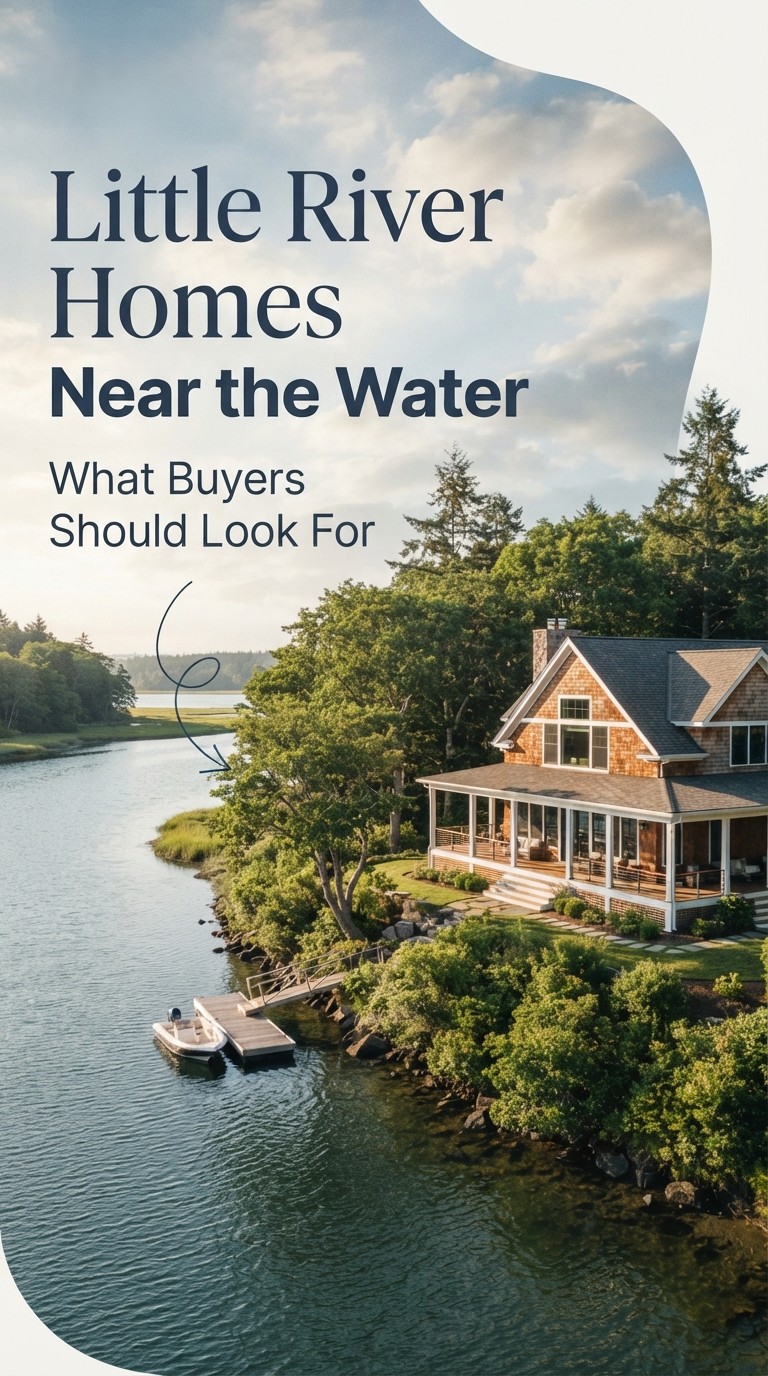
The Intracoastal cuts through Little River and defines a lot of the local identity. Homes on the ICW give owners direct boat access, wide-open water views, and boat traffic in both directions all day. Depending on the exact stretch, you're a short cruise from the ocean through the Little River Inlet. Expect higher insurance costs, more scrutiny on bulkheads and docks, and a smaller resale pool that pays a premium when you sell.
Marina Communities
Little River is home to several working marinas. Condo and townhome communities around the marina district give you deeded slip access or a short walk to your boat, without the maintenance burden of owning waterfront land. Grande Harbour Condos is one of the best-known examples in this category.
Tidal Creeks and Marsh Frontage
Some of the quietest Little River homes sit on tidal creeks or marsh frontage. You may not have a big navigable waterway at your dock, but you have wildlife, sunsets, and a private feel that pulls a lot of retirees and second-home buyers in. Confirm what type of boat, if any, the water at low tide can actually support.
Waterway-Adjacent Communities
Waterway Cove and similar communities give buyers proximity to the Intracoastal in a defined neighborhood setting, without every home being direct waterfront. If you want the lifestyle and the community feel without the direct-water insurance profile, this is the middle path.
 What to Check Before You Make an Offer
Elevation and Flood Zone
Get the elevation certificate. Confirm the flood zone. Both directly affect your insurance premiums and, later, your resale price. Some water-adjacent Little River properties sit in higher-risk zones than buyers assume, and the number changes what the true annual cost of ownership looks like.
Dock, Bulkhead, and Seawall Condition
If a home has a dock, bulkhead, or seawall, you need to know its age, condition, and permit history. Replacement is expensive. Coastal salt exposure ages these faster than an inland pond dock. Ask for repair records and get an inspector who knows waterfront structures, not just the general house.
HOA and Community Rules
Communities near the water often have rules about boat storage, RVs, exterior modifications, and dock use. Read the HOA documents before you close. Some communities restrict short-term rentals; others allow them freely. If rental income is part of your plan, confirm the specific rule for the specific property, not the general area.
Insurance Modeling
Wind, hail, and flood coverage on water-adjacent Little River homes runs meaningfully higher than inland properties. Get a real quote before you're under contract. Coastal exposure is real, and the annual number changes what the property actually costs to own.
Who Ends Up Loving It
Buyers who thrive in water-adjacent Little River usually fall into a few patterns:
- Boaters who want daily access without paying North Myrtle Beach oceanfront pricing
- Retirees who want water views and a small-town pace
- Snowbirds who want a quieter coastal base than the tourist corridor further south
- Remote workers who want the water outside their window and short drives to the coast
What ties them together is a preference for the water lifestyle over the beach lifestyle. Both exist in the Grand Strand. Little River leans hard into the first one.
Broader Little River Context
Water-adjacent buying is one slice of the Little River market. If you're weighing this against inland communities, planned neighborhoods, or golf-community options, our overview of living in Little River gives you the fuller picture.
Key Takeaways
Little River gives buyers a real water lifestyle at a price point the oceanfront markets rarely touch. The Intracoastal Waterway, marina communities, tidal creeks, and waterway-adjacent neighborhoods each solve for different buyers. Before you offer, confirm the elevation certificate, flood zone, dock and bulkhead condition, HOA rules, and insurance quote. Buyers who match their lifestyle goal to the right type of water proximity get the most value. Buyers who chase the view without checking the numbers often end up carrying costs they didn't plan for.
Frequently Asked Questions
Is Little River waterfront cheaper than North Myrtle Beach oceanfront?
Generally yes. Little River waterfront and water-adjacent homes typically price lower than comparable North Myrtle Beach oceanfront property, especially when you compare on square footage and lot size. You're paying for water and lifestyle, not beachfront.
Can I get a boat from a Little River home to the ocean?
Yes, through the Little River Inlet. Homes on or near the Intracoastal Waterway typically have direct boat access. Homes on tidal creeks may have depth limits at low tide, so confirm draft restrictions for the specific property and the specific boat you plan to keep there.
Do I need flood insurance on a Little River waterfront home?
Often yes. Lenders require flood insurance in higher-risk flood zones, and many water-adjacent Little River properties fall inside those zones. Even where it's not required, coastal exposure makes coverage worth strong consideration. Get a real quote before making an offer.
Are short-term rentals allowed on Little River waterfront homes?
It depends on the specific community and any HOA rules. Some communities allow short-term rentals; others restrict length of stay or prohibit them outright. Confirm the specific rule for the specific property in writing before assuming rental income.
About Greg Harrelson
Greg Harrelson is a seasoned Realtor® with more than 30 years of experience serving the Myrtle Beach and Grand Strand markets. As the founder of Century 21 The Harrelson Group, Greg has built his career helping buyers, sellers, and investors achieve success in every corner of the coastal Carolina real estate market. His expertise spans residential homes, investment properties, land development, and coastal condos. Known for his deep local knowledge, innovative marketing strategies, and commitment to personal service, Greg consistently helps clients reach their real estate goals while navigating the ever-changing market with confidence and precision.